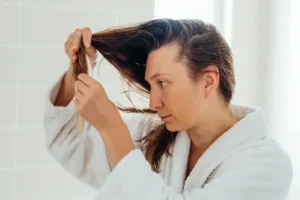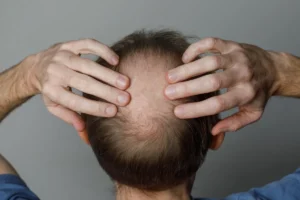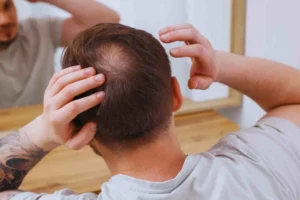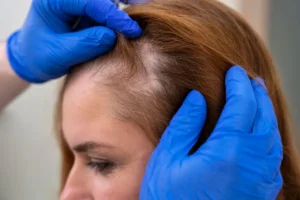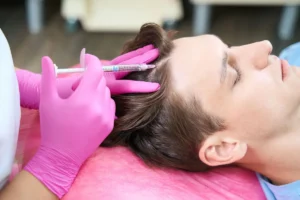
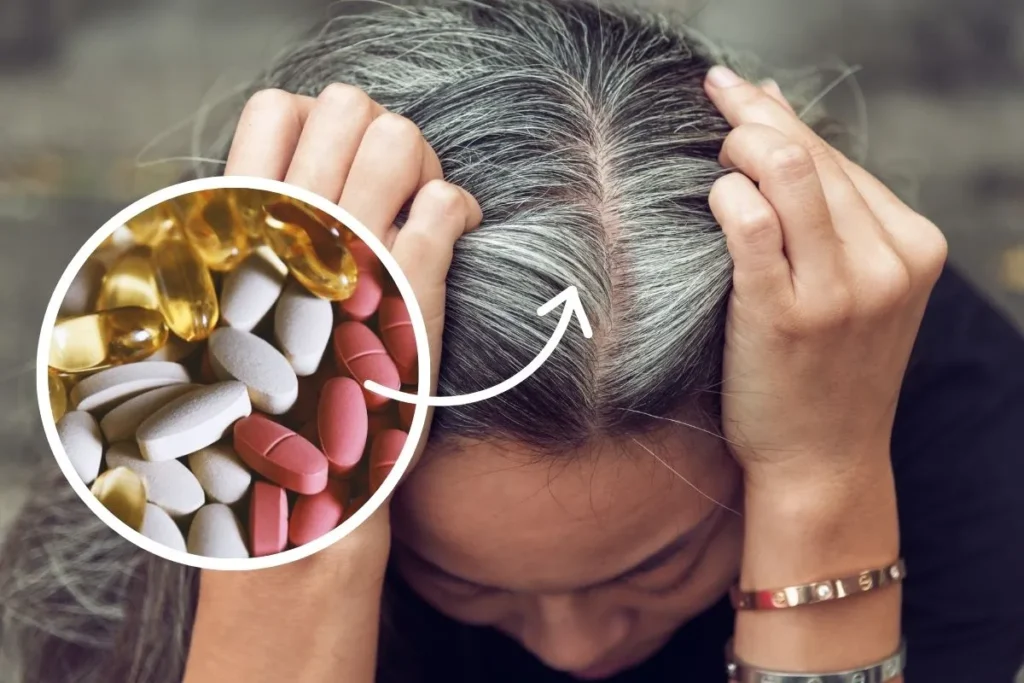
Are you losing hair unexpectedly, even with a healthy lifestyle? A simple nutrient deficiency might be the cause, often missed in hair loss checks.
New studies show a strong link between vitamin D deficiency and baldness. This affects millions globally.
It’s key to know how vitamin D helps with hair growth. GoldCity Centrum focuses on hair health with a detailed nutritional check. This is a first step in treating hair loss.
Discover the link between Vitamin D and hair health. Learn amazing secrets to stop shedding and achieve powerful regrowth with these tips.
Belangrijkste opmerkingen
Vitamin D is vital for healthy hair growth.
Lack of vitamin D can lead to hair loss.
Checking your nutrition is key in treating hair loss.
GoldCity Center’s approach tackles hair loss at its source.
Understanding vitamin D’s link to hair loss is important.
Understanding Vitamin D and Hair Health
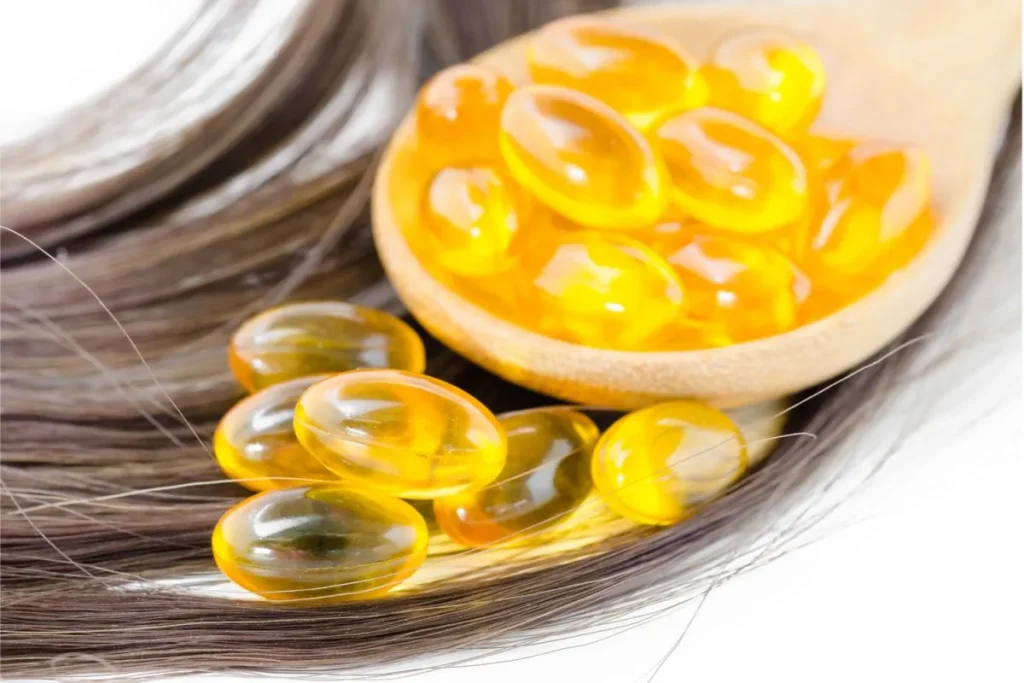
Vitamin D is key for healthy hair. Knowing how it works is important for fighting hair loss. It affects hair growth cycles and works with vitamin D receptors in follicles.
The Role of Vitamin D Receptors in Hair Growth Cycles
Vitamin D receptors are in hair follicles. This shows vitamin D directly impacts hair growth. Studies say vitamin D controls the hair cycle by changing genes involved in growth.
“Vitamin D is not just important for bone health; it also plays a significant role in the hair growth cycle.” – Medical Expert, Dermatologist
Vitamin D’s role in hair growth is clear. It affects how hair grows and develops. A lack of vitamin D can cause hair loss, affecting the hair cycle.
Research Statistics on Vitamin D Deficiency and Hair Loss
Studies link vitamin D deficiency to alopecia and female pattern hair loss. A study in the Journal of Clinical and Aesthetic Dermatology found:
These numbers show vitamin D’s importance for hair health. Getting enough vitamin D through diet, supplements, or sunlight is key to preventing hair loss.
Understanding vitamin D’s role in hair health helps prevent hair loss. By addressing deficiencies, people can keep their hair healthy.
Recognizing Signs of Vitamin D Deficiency-Related Hair Loss

Understanding hair loss often starts with vitamin D’s role in our bodies. Vitamin D is key for bone health and hair health. A lack of vitamin D can cause hair loss, and knowing the signs is the first step to fix it.
Clinical Symptoms of Low Vitamin D Levels
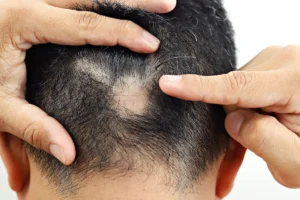
Low vitamin D shows in many ways, like fatigue, muscle weakness, and hair loss. Hair fall due to vitamin D deficiency can be upsetting, causing thinning or bald patches.
Other symptoms include:
Generalized fatigue and muscle weakness
Bone pain or tenderness
Hair loss or thinning
Different Types of Alopecia Linked to Vitamin D Deficiency
Vitamin D deficiency is linked to several alopecia types, including:
Telogen Effluvium: Excessive hair shedding after stress.
Alopecia Areata: An autoimmune condition causing patchy hair loss.
Female Pattern Hair Loss: Thinning hair, mainly on the top and crown.
When to Seek Medical Testing
If you’re losing a lot of hair or think it’s due to vitamin D deficiency, get tested. A doctor can do a blood test to check your vitamin D levels.
Knowing the signs of vitamin D deficiency-related hair loss helps you take charge of your hair health. By recognizing symptoms and getting medical care, you can fix the hair loss cause and improve your hair’s health and shine.
Effective Strategies to Restore Vitamin D and Hair Health
To improve hair health, it’s key to boost vitamin D levels. You can do this by changing your diet, taking supplements, getting safe sunlight, and using topical treatments.
Optimal Dietary Sources of Vitamin D
Eating foods high in vitamin D is important. Fatty fish like salmon and mackerel are great choices. Also, fortified foods such as cereals and dairy products are good. Egg yolks are another good source.
To get more vitamin D from food, eat a variety. For example, eat fatty fish a few times a week. Also, add fortified foods to your meals every day.
Supplement Options: Vitamin D2 vs D3
If food alone isn’t enough, supplements can help. There are two types: D2 and D3. Vitamin D3 is better because it’s like the vitamin D your skin makes from sunlight.
Talking to a doctor is important to find the right supplement for you. They can help pick between D2 and D3 and tell you how much to take.
Safe Sunlight Exposure Guidelines
Getting sunlight is a natural way to increase vitamin D. Spend time outside, but do it safely. Use sunscreen to protect your skin from damage.
Expose your skin for 10-15 minutes during peak sun hours.
Use sunscreen with a suitable SPF to protect your skin after the initial exposure.
Avoid prolonged exposure to prevent skin damage.
Topical Treatments and Hair Care Practices
Good hair care is also important for hair growth. Use gentle hair care products and avoid too much heat styling. Treatments with minoxidil can also help.
Keep your scalp healthy with regular washing and scalp massages. Combining these steps with enough vitamin D can really help your hair grow better.
Conclusie
Vitamin D is key for healthy hair growth. Not having enough vitamin D can cause hair loss and thinning. Knowing how vitamin D affects hair health helps people take action to fix it.
To boost vitamin D, try eating foods rich in it like fatty fish and fortified dairy. Taking vitamin D2 or D3 supplements also works. Plus, getting some safe sun can help too.
By tackling hair loss linked to vitamin D deficiency, people can improve their hair health. A plan to increase vitamin D can lead to thicker, healthier hair. Taking a natural approach to hair care can make a big difference.
FAQ
Can vitamin D deficiency cause hair loss?
Yes, vitamin D deficiency can lead to hair loss. It’s important for keeping hair follicles healthy and promoting hair growth.
How does vitamin D affect hair growth cycles?
Vitamin D works with receptors in hair follicles. It helps control the hair growth cycle and supports healthy hair growth.
What are the clinical symptoms of low vitamin D levels related to hair loss?
Low vitamin D levels can cause excessive hair shedding, thinning hair, and alopecia areata.
What types of alopecia are linked to vitamin D deficiency?
Vitamin D deficiency is linked to alopecia areata, alopecia totalis, and alopecia universalis.
How can I restore vitamin D levels to promote hair health?
You can boost vitamin D levels through diet, supplements, sunlight, and topical treatments. This helps promote hair growth and reduces loss.
What are the best dietary sources of vitamin D for hair health?
Fatty fish, fortified dairy, and mushrooms are great for vitamin D. They support hair health and growth.
Should I take vitamin D2 or D3 supplements for hair loss?
Vitamin D3 is more effective than D2 for maintaining healthy levels and promoting hair growth.
Can sunlight exposure help restore vitamin D levels and promote hair growth?
Yes, safe sunlight can help restore vitamin D levels. It promotes healthy hair growth and reduces loss.
Are there any topical treatments that can help promote hair growth with vitamin D?
Yes, vitamin D-rich serums and creams can help promote hair growth and reduce loss.
When should I seek medical testing for vitamin D deficiency-related hair loss?
If you’re experiencing excessive hair loss or symptoms of vitamin D deficiency, see a healthcare professional. They can do proper testing and guide you.
Can vitamin D help with hair regrowth?
Yes, maintaining healthy vitamin D levels supports hair regrowth and overall hair health.
Is there a link between vitamin D deficiency and hair thinning?
Yes, vitamin D deficiency is linked to hair thinning. It’s essential for maintaining healthy hair follicles.
Referenties
Nationaal Centrum voor Biotechnologie-informatie. Evidence-Based Medisch Inzicht. Opgehaald van https://pubmed.ncbi.nlm.nih.gov/34553483/