Are you worried about excessive hair loss? You’re not alone. More than 50% of women notice hair loss at some point. Yet, many feel alone with this issue.
Understand the woman hair fall reason today. Discover shocking powerful facts and amazing treatments to stop loss and achieve incredible hair.
Liv Hospital knows how female hair loss affects you physically and emotionally. They offer expert skin checks to find the root cause. This could be hormonal, genetic, nutritional, or stress-related. So, you get a treatment plan that’s just right for you.
Learning why hair loss in females happens is key to feeling better. With the right help, you can unlock your inner glow. And you can confidently show off your beauty.
Belangrijkste opmerkingen
Over 50% of women experience noticeable hair loss during their lifetime.
Hair loss in women can be caused by a combination of genetic, hormonal, and lifestyle factors.
Liv Hospital offers expert dermatological evaluation for female hair loss.
Personalized treatment plans can help address the underlying causes of hair loss.
Understanding the causes of hair loss is critical for regaining confidence.
Understanding Female Hair Loss: Statistics and Overview
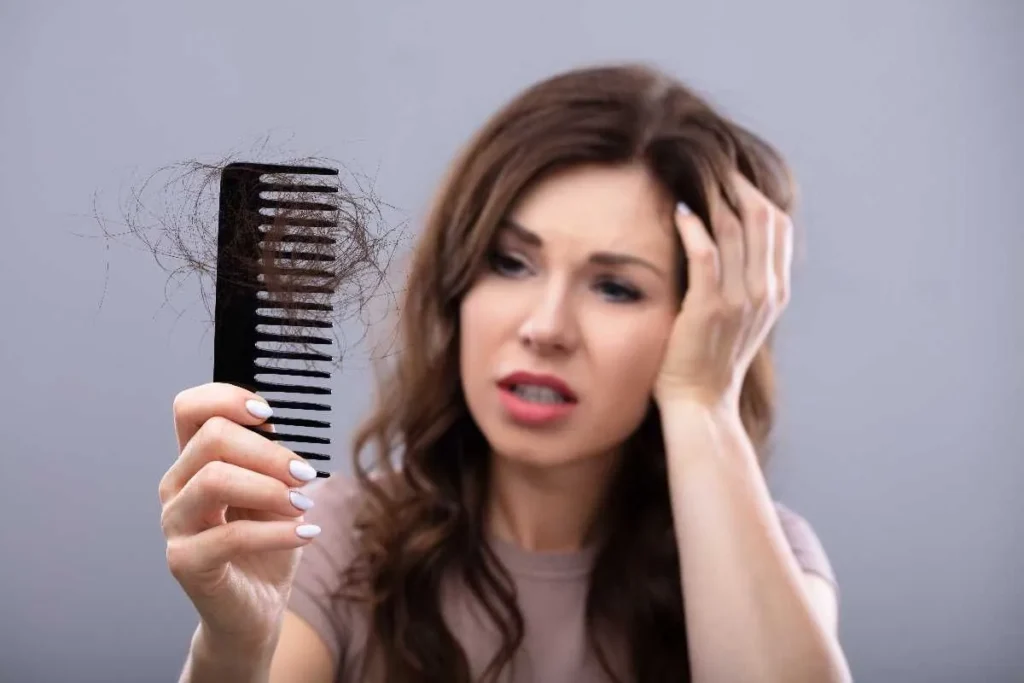
Learning about female hair loss statistics can be both enlightening and empowering. It’s caused by genetics, hormones, and the environment.
How Common is Hair Loss in Women?
Hair loss is a big problem for many women around the world. By age 50, up to 40% of women face hair loss. Women over 40 are hit hard by hair loss, thanks to hormones, stress, and health issues.
Some important stats are:
Up to 30 million women in the United States face female pattern hair loss.
Hair loss can start in the teenage years, but it’s more common in older women.
Women over 40 often lose hair due to menopause and hormonal changes.
Normal vs. Abnormal Hair Shedding
It’s normal to lose 50 to 100 hairs a day as part of hair growth. But excessive hair loss might mean there’s a problem. Stress, poor nutrition, and certain hairstyles can lead to too much hair loss.
To figure out if your hair loss is normal or not, watch for these signs:
Keep track of how much hair you lose each day.
Check for thinning or balding.
See a doctor if you’re worried.
By knowing the stats and causes of female hair loss, you can start to tackle this common issue. You can find a solution that fits your needs.
Woman Hair Fall Reason: Common Causes Explained
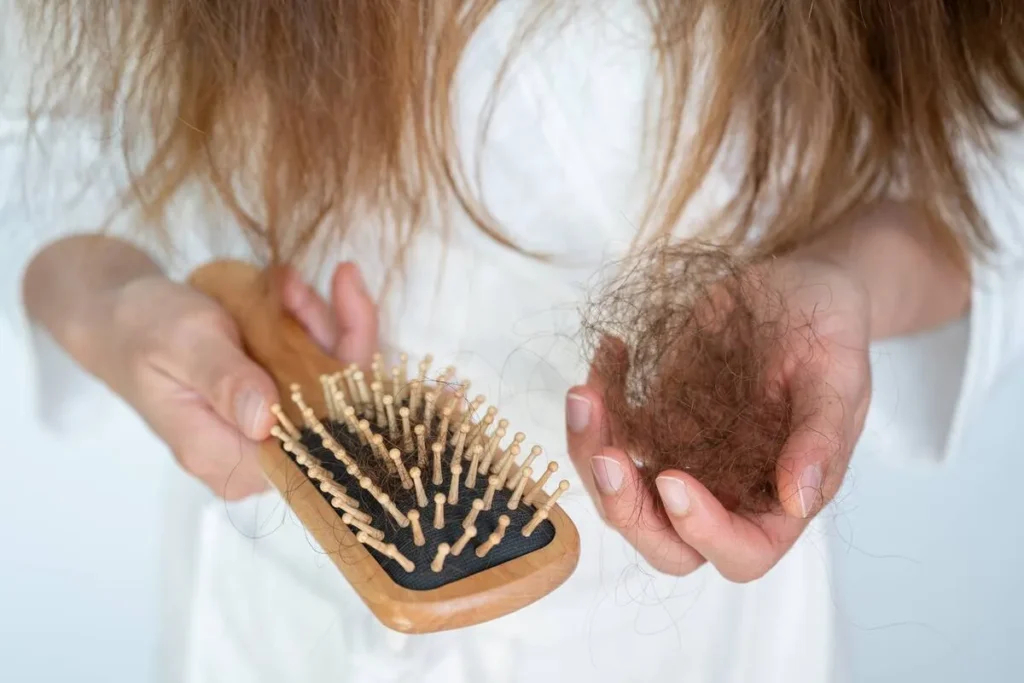
It’s important to know why women lose their hair. Hair loss can make women feel bad about themselves and affect their happiness.
There are many reasons why women lose their hair. Finding out the main cause is key to solving the problem.
Female Pattern Hair Loss (FPHL)
Female Pattern Hair Loss, or androgenetic alopecia, is the top reason for hair loss in women. It makes hair thin on the top and crown of the scalp over time.
This type of hair loss is linked to hormones, genetics, and aging. As women get older, the chance of getting FPHL goes up. If not treated, it can lead to severe hair loss in women.
Telogen Effluvium
Telogen Effluvium is another big reason for hair loss in women. It happens when the hair growth cycle gets disrupted. This causes more hairs to fall out than usual.
Stress, illness, emotional issues, or big life changes can start Telogen Effluvium. Knowing the cause is key to managing hair loss in female.
Medical and Lifestyle Factors
Many medical and lifestyle factors can cause hair loss in women. These include thyroid problems, autoimmune diseases, skin issues, and not getting enough nutrients.
Hormonal imbalances, like those in polycystic ovary syndrome (PCOS)
Some medicines, like those for depression, high blood pressure, or cancer
Not eating well or lacking in iron, zinc, and biotin
Styling hair too much, using too much heat, or chemical treatments
Fixing these issues can help stop why hair loss in women happens and prevent more hair loss.
Finding out the main cause of hair loss in women is the first step to solving it. Whether it’s FPHL, Telogen Effluvium, or other factors, knowing the cause helps women take action to fix their hair health.
By figuring out what causes female balding, women can try different treatments. This includes medical options and changing their lifestyle. This way, they can feel better about themselves and have more hair.
Conclusion: When to Seek Help for Hair Loss
If you’re seeing a lot of hair loss, it’s time to get help. When your hair falls out easily when you pull it, it might mean something’s wrong. Knowing why your hair is falling out is key to fixing the problem.
Hair loss in women can happen for many reasons. This includes female pattern hair loss, telogen effluvium, and other health or lifestyle issues. If you’re losing a lot of hair or seeing it thinning, seeing a professional is important.
Getting help early can stop permanent damage to your hair follicles. The treatment you need depends on why you’re losing hair. By understanding why your hair is thinning, you can start solving the issue. Take care of your hair loss to shine brighter and feel more confident.
Get the hair you want by getting help when you need it. Talk to a professional to find the best treatment for your hair loss. With the right treatment, you can look and feel amazing, every day.
FAQ
What are the main causes of hair loss in women?
Hair loss in women can come from many sources. Genetics, hormonal imbalances, and medical conditions are common causes. Female pattern hair loss and telogen effluvium are also common.
How can I tell if my hair loss is normal or abnormal?
Losing 50-100 hairs a day is normal. But, if you’re losing more, it might be a sign of a problem. Seeing a doctor can help figure out why.
Can stress cause hair loss in women?
Yes, stress can lead to hair loss. Telogen effluvium, caused by stress, results in more hair falling out. Reducing stress can help keep your hair healthy.
Are there any effective treatments for female hair loss?
Yes, there are treatments for female hair loss. These include medications, laser therapy, and hair transplantation. A doctor or dermatologist can recommend the best treatment for you.
How can I promote healthy hair growth and prevent hair loss?
Eating well and using gentle hair products can help. Avoiding too much heat styling also helps. Stress reduction, regular trims, and scalp massages can also support hair health.
Can hormonal changes during menopause cause hair loss?
Yes, hormonal changes in menopause can lead to hair loss. Lower estrogen levels can make hair thinner and fall out more. Hormone therapy or other treatments may help.
Is hair loss in women a sign of an underlying medical condition?
Sometimes, hair loss is a sign of a medical issue. This includes thyroid disorders, autoimmune diseases, or skin conditions. If you notice unusual hair loss, see a doctor to check for health problems.
Referenties
Nationaal Centrum voor Biotechnologie-informatie. Evidence-Based Medisch Inzicht. Opgehaald van https://pmc.ncbi.nlm.nih.gov/articles/PMC2684510/[1