
Opioid overdose is a big problem in the United States. In 2023, nearly 80,000 people died from opioid-related causes. This is about 76% of all drug overdose deaths that year. Knowing the signs and symptoms of opioid overdose is key to saving lives.
When opioids attach to brain receptors, they can stop breathing signals. This can lead to breathing failure in just minutes.
Spotting the warning signs is the first step in dealing with an opioid overdose. At GoldCity Center, we think that teaching patients and having easy access to emergency care and new treatments are important. These are the basics of stopping tragic outcomes.
Belangrijkste opmerkingen
Opioid overdose is a medical emergency needing quick action.
Knowing the signs and symptoms is vital for saving lives.
Opioids can mess with the brain’s breathing control.
Quick action can stop tragic outcomes.
Teaching patients is key to preventing opioid overdose deaths.
Understanding Opioid Overdose: A Public Health Emergency
The opioid crisis has turned into a major public health issue. It’s important to know the signs and symptoms of overdose. An overdose happens when too much of an opioid is used, leading to slow breathing and possibly death. It’s a serious situation that needs quick action.
How Opioids Affect the Brain and Breathing
Opioids work by binding to opioid receptors in the brain. These receptors are found all over the body. The main type, μ-receptors, cause feelings of pain relief, happiness, and sleepiness. They also slow down breathing and can lead to dependence.
When opioids bind to these receptors, they can make breathing slower. This can cause not enough oxygen to reach the body’s tissues. Respiratory depression is a key sign of opioid overdose. It’s vital to watch someone’s breathing if you think they might have overdosed.
Common Causes of Opioid Overdose
There are many reasons why someone might overdose on opioids. Taking more and more of the drug, using it again after stopping, or having serious health issues are all risks. Knowing these factors helps in stopping overdoses and getting help fast.
Knowing why opioid overdoses happen is key to stopping them. Healthcare workers can use this knowledge to create better prevention and treatment plans. This way, they can help reduce the risk of overdose and its serious effects.
Recognizing Opioid Overdose Effects: 7 Critical Signs
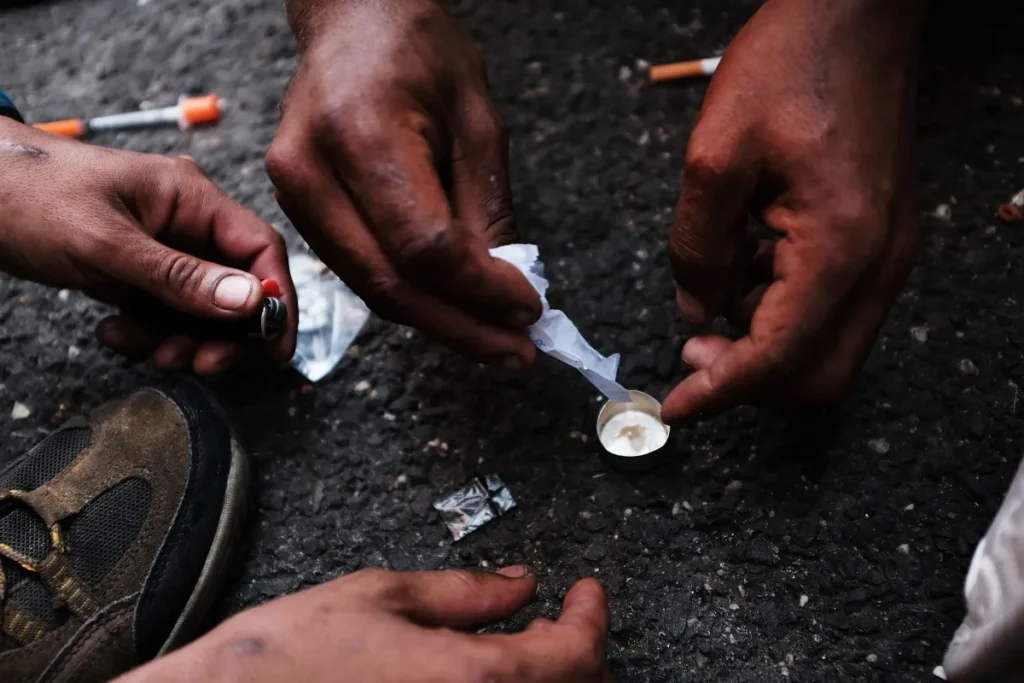
Knowing the signs of opioid overdose can save lives. Opioid overdose shows through several key signs that need quick action. It’s vital to understand these signs to help effectively.
1. Pinpoint Pupils
Pinpoint pupils are a key sign of opioid overdose. When someone takes opioids, their pupils get very small. This is a clear sign of opioid use and possible overdose.
2. Cold and Clammy Skin
A person overdosing on opioids may have cold and clammy skin. Opioids slow down the body’s systems, causing poor circulation and temperature control.
3. Bluish Discoloration Around Lips and Fingernails
Bluish discoloration around the lips and fingernails is another important sign. It shows a lack of oxygen in the blood, a dangerous sign of overdose.
4. Slowed or Irregular Breathing
Opioid overdose often causes slowed or irregular breathing. This can lead to serious breathing problems if not treated quickly. Opioids affect the brain’s breathing centers, leading to low oxygen levels.
Other key signs include being unconscious, unresponsive, stiff, and having seizure-like movements. Spotting these signs quickly can be a lifesaver.
Quickly giving naloxone can reverse overdose effects. It’s important to know these signs and act fast to save a life.
Responding to an Opioid Overdose Emergency
When an opioid overdose happens, every second is key. Knowing how to act can save lives. Look for signs of an opioid overdose like pinpoint pupils, cold and clammy skin, and slowed or irregular breathing.
Immediate Steps to Take
If you think someone is overdosing, act fast. First, call 9-1-1 or your local emergency number right away. If you have naloxone, follow the instructions to use it. Naloxone can reverse an overdose’s effects.
Naloxone: The Life-Saving Medication
Naloxone is made to fight opioid overdose’s deadly effects. It blocks opioid receptors in the brain, undoing the overdose’s harm. It can bring back breathing and wakefulness. But, remember, it’s not a replacement for medical help, and you should call for emergency services even if you use naloxone.
After Administering Emergency Care
After using naloxone, if you have it, stay with the person until help arrives. Watch their condition and give any extra details to the responders. Even if they seem okay, they need medical care to stay safe.
Knowing the signs of an opioid overdose and how to react can save lives. Being ready and quick can greatly help someone in a critical moment.
Conclusion: Every Minute Counts in Opioid Overdose Situations
Opioid overdose is a serious public health issue. It can happen by accident or when mixing opioids with other drugs. Knowing the signs of an opioid overdose is key to saving lives.
These signs include very small pupils, cold skin, and bluish lips and fingernails. Also, look for slow or irregular breathing. In 2022, 107,941 people died from drug overdoses in the U.S. That’s 296 deaths every day.
Using opioid overdose medicine like Naloxone can save lives. Knowing the risks and taking steps to prevent overdoses can help fight the opioid crisis. By quickly recognizing and acting on overdose signs, we can lower death rates.
Every second matters in an opioid overdose. Knowing the signs and acting fast can save a life. Staying informed and proactive can help tackle this public health emergency.
FAQ
What are the signs of an opioid overdose?
Signs of an opioid overdose include small pupils and cold skin. You might also see blue lips and fingernails. Other signs are slow breathing, being unconscious, and stiff body movements.
What happens when someone overdoses on opioids?
An overdose on opioids causes too much stimulation. This can lead to slow breathing and even death.
What are the risk factors for opioid overdose?
Risks include taking more opioids over time and having severe health issues. Mixing opioids with other sedatives also increases the risk.
How can opioid overdose be reversed?
Giving naloxone quickly can reverse the overdose effects.
What should be done in case of an opioid overdose emergency?
First, call 9-1-1 or your local emergency number. If you have naloxone, use it. Always stay with the person until help arrives.
What is the importance of recognizing opioid overdose signs?
Knowing the signs of an opioid overdose is key. It helps save lives by acting fast.
Can combining opioids with other medications increase the risk of overdose?
Yes, mixing opioids with sedatives can raise the risk of overdose.
What is naloxone, and how does it help in opioid overdose?
Naloxone is a medication that can save lives. It works by reversing the overdose effects when given quickly.
Why is it important to stay with the person until help arrives after administering emergency care?
It’s important to stay with the person. This ensures they get ongoing care and support until medical help arrives.
Referenties
Wereldgezondheidsorganisatie. Evidence-Based Medisch Inzicht. Opgehaald van https://www.who.int/news-room/fact-sheets/detail/opioid-overdose