Choosing abstinence from alcohol leads to life-changing health gains. Explore the physical and emotional rewards of living an alcohol-free life.
Choosing to abstain from alcohol can start a journey to better health and wellbeing. Studies show that just 30 days without alcohol can bring big benefits. These include better sleep, weight loss, and lower blood pressure.
But there’s more than just physical benefits. Abstaining from alcohol also improves emotional clarity and strengthens relationships. Living without alcohol can deeply change your health in many ways.
Belangrijkste opmerkingen
Improved sleep quality within days of abstaining
Weight loss and reduced risk of chronic diseases
Lower blood pressure and improved cardiovascular health
Enhanced emotional clarity and mental wellbeing
Strengthened relationships through improved communication
Physical Transformations Through Abstinence from Alcohol
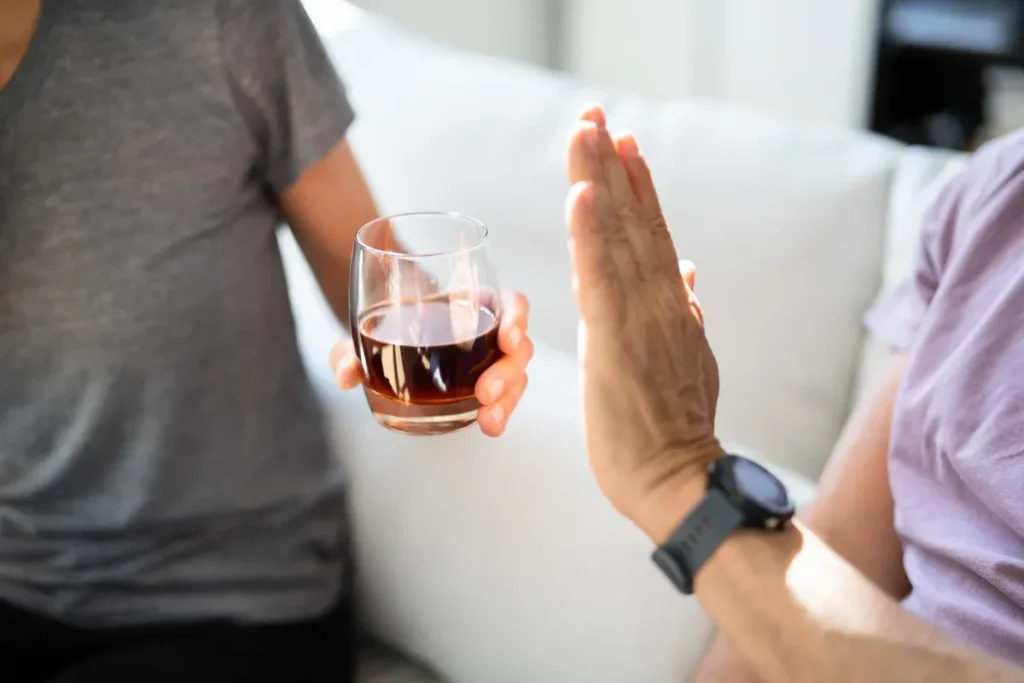
Stopping alcohol use changes your body in amazing ways. Not drinking can make you healthier and happier.
Liver Regeneration and Reduced Disease Risk
One big benefit of not drinking is liver healing. Studies show liver fat drops by about 20 percent in a month. This lowers the risk of liver diseases like cirrhosis.
The liver starts to fix itself when you stop drinking. It heals damaged cells and works better. This means less inflammation and better health.
Improved Cardiovascular Health
Not drinking also makes your heart healthier. It lowers blood pressure and cuts down heart disease and stroke risks. A strong heart means less chance of heart problems.
Lower blood pressure
Verlaagd risico op hartaandoeningen
Decreased likelihood of stroke
Enhanced Physical Appearance and Immunity
Being sober can make you look and feel better. Your skin gets clearer and you look more radiant. Plus, your immune system gets stronger, helping you fight off sicknesses.
Quitting alcohol brings many health benefits. It’s like a luxury makeover for your body. By not drinking, you can become a healthier, more vibrant version of yourself.
Emotional and Social Benefits of Sobriety
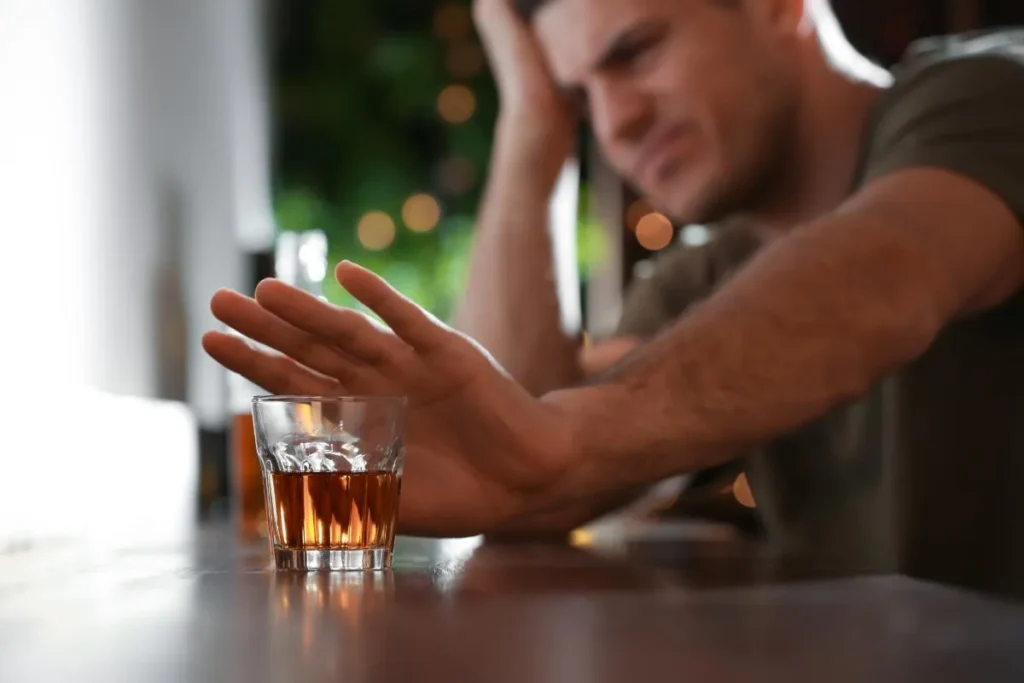
Starting a journey of sobriety can greatly improve mental health and social connections. It’s not just about not drinking. It’s about living a life that boosts emotional health and builds stronger bonds with others.
Mental Health Improvements
Quitting alcohol can greatly improve mental health. It lowers the risk of depression, anxiety, and other mental health issues. Health experts say not drinking can make symptoms of these conditions much better.
The emotional benefits of sobriety are many:
Reduced Stress: Not drinking can make you feel more balanced and less stressed.
Increased Self-Esteem: Getting sober can make you feel more confident and valued.
Better Emotional Regulation: Sobriety helps you handle your emotions better, leading to more stable relationships.
Cognitive Function Enhancement
Research shows that not drinking for a year can improve how well you think. Sobriety boosts cognitive function in many areas, including:
Improved Memory: Not drinking can make your memory and thinking clearer.
Enhanced Problem-Solving Skills: Sobriety can improve your focus and ability to solve problems.
Better Decision Making: Without alcohol, you can make more thoughtful and rational choices.
Strengthened Relationships and Social Connections
Being sober can make your relationships more real and meaningful. You can connect more deeply with friends and family. The social benefits of sobriety include:
More Meaningful Interactions: Sobriety makes social interactions more genuine and engaging.
Improved Communication: Without alcohol, talking becomes clearer and more effective.
Stronger Bonds: Trust and reliability from sobriety can make relationships stronger.
In conclusion, sobriety brings many benefits. It improves mental health, boosts thinking skills, and strengthens relationships.
Conclusion: Embracing a Life of Alcohol Freedom
Choosing sobriety is a journey that brings health, balance, and connection. It leads to a life free from alcohol’s hold. This choice brings better physical health, mental clarity, and stronger relationships.
Abstaining from alcohol brings many benefits. It changes how we look and feel, improving our emotional and social lives. People who stop drinking often feel more energetic, clear-minded, and find a new sense of purpose.
Living without alcohol lets us truly be ourselves. It’s not just about not drinking. It’s about living a life full of health, joy, and meaningful connections.
FAQ
What are the benefits of abstaining from alcohol?
Not drinking can greatly improve your health and happiness. It helps your liver heal and your heart stay healthy. You might also look and feel better, and your mind can feel clearer. Plus, you could make stronger connections with others.
How long does it take to see physical transformations after quitting alcohol?
How fast you see changes depends on you. But, your liver might start to heal in just weeks. It could take months or even years to see improvements in your heart health.
Can abstaining from alcohol improve mental health?
Yes, it can. Not drinking can help reduce anxiety and depression. You might feel happier and think more clearly.
Will abstaining from alcohol affect my social life?
Quitting alcohol might change your social life at first. But, it can lead to deeper, more meaningful friendships. You can find joy in activities without needing alcohol.
Is it hard to maintain sobriety?
It can be tough, but it’s doable. The benefits of not drinking are worth it. Many find it makes their life more fulfilling and purposeful.
Can I stil have fun and enjoy social events without drinking?
Absolutely. You can have fun and enjoy social events without alcohol. Try new things, join clubs, or just enjoy the moment.
How can I get support for my decision to abstain from alcohol?
There are many ways to get support. Look for groups, online communities, and counseling. Talking to friends and family can also help a lot.
What are some tips for maintaining sobriety during challenging times?
Stay connected with loved ones and find healthy ways to cope. Exercise, meditation, or seeking help when needed can help you stay sober.