Depression affects millions of people worldwide. While treatments like therapy and medicine are common, they might not work for everyone. Studies suggest that acupressure, a traditional Chinese medicine, can help alongside these treatments.
By pressing on certain acupressure points, people can feel less depressed. This method helps relax, improves blood flow, and reduces stress and anxiety. For more details, check out Wellness Rising Clinic for tips.
Belangrijkste opmerkingen
Acupressure is a non-invasive therapy based on Traditional Chinese Medicine.
Pressing on specific points can relax and improve blood flow.
It can be used with other treatments for depression.
Points like Heart 7 and Neiguan can help with depression.
Regular acupressure can improve mental health and well-being.
Understanding Depression and Acupressure
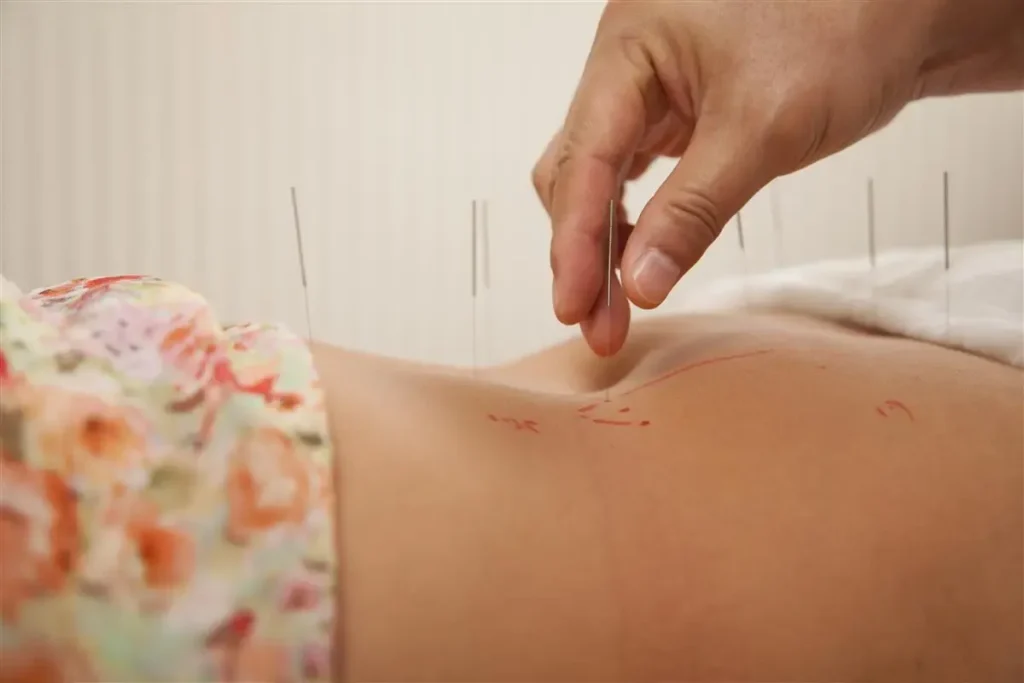
Depression affects millions worldwide, making alternative therapies like acupressure important. Acupressure is seen as a way to help with depression symptoms.
The Global Impact of Depression
Depression is a big health issue globally, touching people of all ages and backgrounds. The World Health Organization says it’s a top cause of disability, affecting over 300 million. This shows we need effective treatments for depression.
Depression doesn’t just hurt the person; it affects families and communities too. We need to look at depression from all angles, including traditional and alternative treatments.
Limitations of Conventional Treatments
Traditional treatments like therapy and medication help many but not all. Some people keep feeling symptoms, and others don’t get better. This is why we need other treatments to help.
Acupressure is a promising option. It’s a safe, easy way to help with depression and anxiety. By pressing certain body points, people might feel better.
Scientific Evidence for Acupressure’s Effectiveness
Recent studies show acupressure can help with depression. A 2023 review of 19 studies found acupressure works well for mild to moderate depression. This means acupressure could be a good addition to usual treatments.
Research supports acupressure’s role in managing depression. It’s becoming a recognized option for those looking for holistic help.
Effective Acupressure Points for Depression
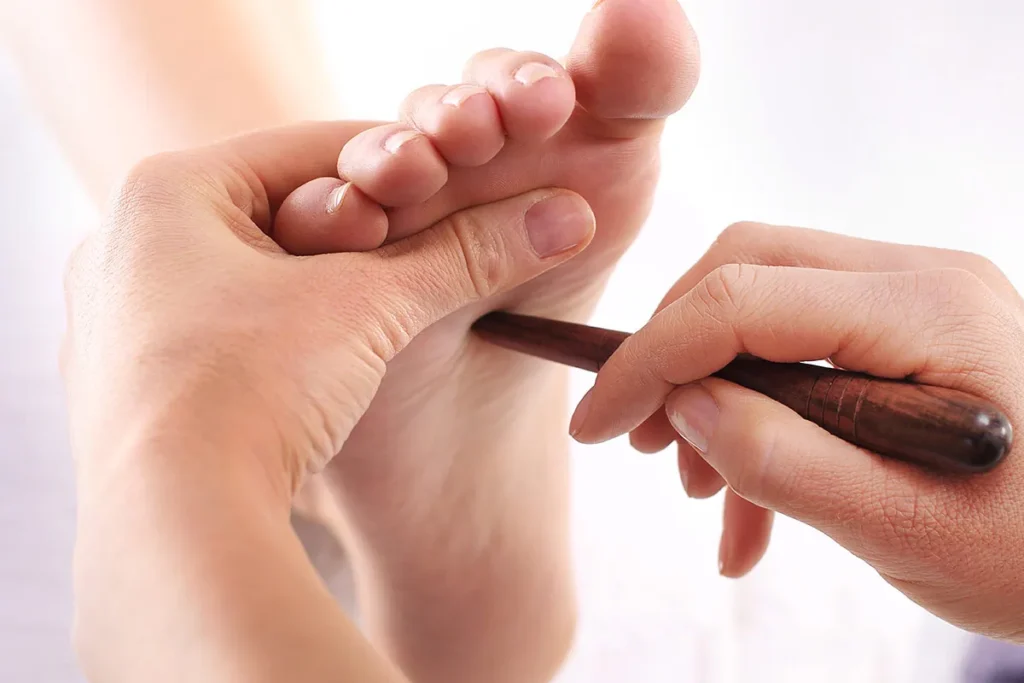
Acupressure is a natural way to fight depression by pressing certain body points. It helps people feel better and live healthier lives.
Taichong (LV3) – Liver 3 Point
The Taichong or Liver 3 point is key for fighting depression and anxiety. It’s on the foot and helps with emotional balance and stress. Pressing it gently can ease depression symptoms.
Zusanli (ST36) – Stomach 36 Point
Zusanli, or Stomach 36, boosts your energy and mental focus. It’s great for fighting depression.
Shenmen (HT7) – Heart 7 Point at the Wrist
Shenmen, or Heart 7, is at the wrist and fights anxiety and depression. It calms the mind and helps you relax. Regular use can greatly reduce depression.
Auricular Points: Shenmen, Subcortex, Liver, and Endocrine
Auricular points like Shenmen, Subcortex, Liver, and Endocrine are also very helpful. They target emotional and mental health. Pressing these points can help with depression and anxiety.
Adding these acupressure points to your daily routine can help manage depression naturally. It’s important to use the right technique and pressure for the best results.
How to Apply Acupressure for Depression Relief
Acupressure can help ease depression symptoms when done right. Studies show it can lessen depression’s severity. Knowing the right techniques is key to feeling its benefits.
Proper Technique and Pressure Methods
To use acupressure well, you need to know the right way and how hard to press. Look for points like Taichong (LV3), Zusanli (ST36), and Shenmen (HT7). Pressing these points gently but firmly can start your body’s healing.
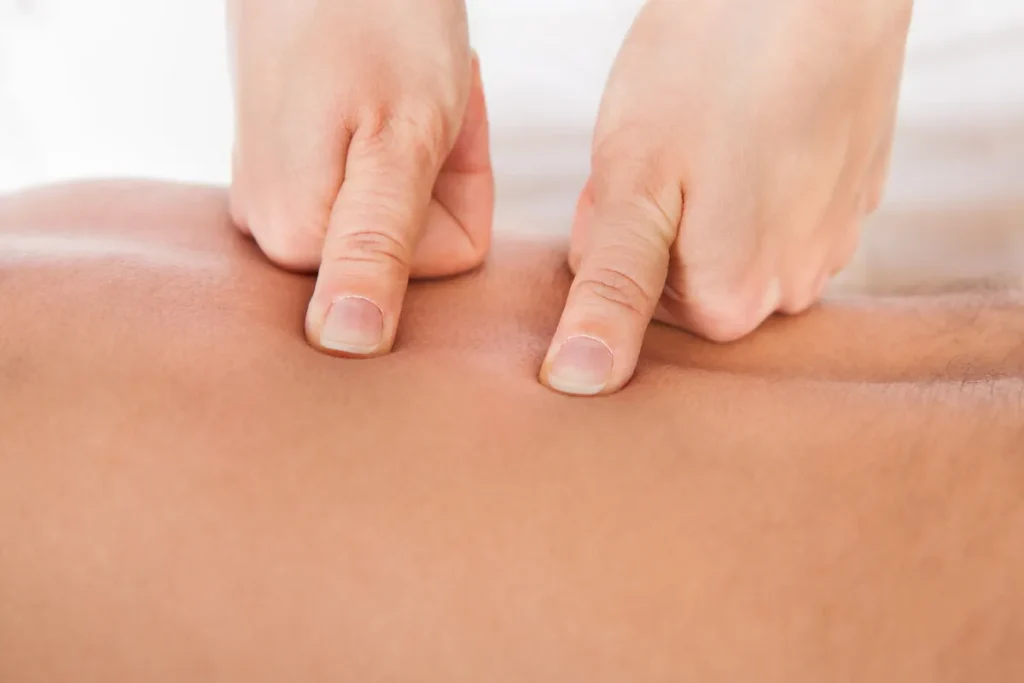
Getting the pressure right is important. It should be firm but not hurtful. Use your fingers or thumbs in a circular motion for a few minutes. You can find these points on your feet, hands, and ears.
Recommended Session Duration and Frequency
How long and how often you do acupressure can change. Sessions can last from 5 to 30 minutes. Some say doing it daily is best, but start slow and adjust as you feel comfortable.
Start with short sessions (5-10 minutes) and increase as needed.
Do acupressure at the same time every day to make it a habit.
Stick with it; regular practice is important for benefits.
Combining with Conventional Treatments
Acupressure can work with other treatments for depression, like meds and therapy. This mix can lead to better results and overall health. But, talk to a doctor before trying acupressure, even if you’re already getting treatment.
Precautions and Considerations
Acupressure is usually safe, but be careful. Don’t press too hard, as it can hurt. Also, people with health issues like pacemakers or bad blood flow should talk to a doctor first.
Knowing how to do acupressure, how long to do it, and its benefits with other treatments can help you use it for depression relief.
Conclusie
Acupressure is a helpful therapy for dealing with depression. It offers a natural way to improve mental health. By pressing on certain points, people can feel better.
Studies show that acupressure and acupuncture can lessen depression. They help by focusing on specific points. These points, like Taichong (LV3) and Zusanli (ST36), help relax and reduce anxiety.
Using acupressure can be a step towards better mental health. It’s a way to manage depression naturally. It works well with other treatments to improve overall well-being.
FAQ
What is acupressure and how does it help with depression?
Acupressure is a traditional Chinese medicine technique that involves applying pressure to specific points on the body. It may help with depression by promoting relaxation, improving circulation, reducing stress, and supporting emotional balance. It is considered a complementary approach, not a cure.
Most effective acupressure points for depression relief
Commonly used points include:
-
GV20 (Baihui): Top of the head, for mood balance and mental clarity
-
PC6 (Neiguan): Inner forearm, for anxiety and emotional stress
-
HT7 (Shenmen): Wrist crease, for calming the mind
-
LV3 (Taichong): Top of the foot, for stress and emotional tension
-
ST36 (Zusanli): Below the knee, for energy and emotional well-being
How to apply acupressure for depression relief
Use your thumb or finger to apply firm but gentle pressure to each point for 1–3 minutes. Breathe slowly, massage in small circles, and stop if you feel pain or discomfort.
Using acupressure with conventional treatments
Yes. Acupressure can be safely used alongside therapy, medication, and lifestyle changes. Always follow your healthcare provider’s treatment plan.
Precautions and considerations
Avoid acupressure on injured, inflamed, or infected areas. Use gentle pressure if pregnant, and stop if symptoms worsen. Seek professional help for severe or persistent depression.
Acupressure points on the feet for anxiety and depression
Yes. Points such as LV3 and reflex areas on the soles may help reduce stress and anxiety by promoting relaxation and emotional balance.
How often to practice acupressure
You can practice daily or several times per week. Consistency is more important than duration.
Is acupressure a replacement for conventional treatment?
No. Acupressure should not replace medical or psychological treatment. It is best used as a supportive therapy alongside professional care.
Referenties
Nationaal Centrum voor Biotechnologie-informatie. Evidence-Based Medisch Inzicht. Opgehaald van https://pmc.ncbi.nlm.nih.gov/articles/PMC6739449/