
For couples facing infertility, acupuncture therapy for fertility is a natural way to boost reproductive health. It has been around for over 2,500 years. Acupuncture treats many health issues, including fertility problems. It uses thin needles placed at certain points on the body to help energy flow.
Acupuncture helps by balancing hormones, improving blood flow, and lowering stress. It’s a great addition to traditional fertility treatments. Healthcare experts value combining acupuncture with modern medicine for a full fertility care plan.
Belangrijkste opmerkingen
Acupuncture therapy for fertility is an ancient practice with a history of over 2,500 years.
It involves the placement of thin needles to stimulate energy pathways and promote balance.
Acupuncture can enhance hormone regulation, improve blood flow, and reduce stress.
It can be a valuable adjunct to conventional fertility treatments.
Integrating acupuncture with advanced medical expertise offers a complete approach to fertility care.
Understanding Infertility and Traditional Chinese Medicine
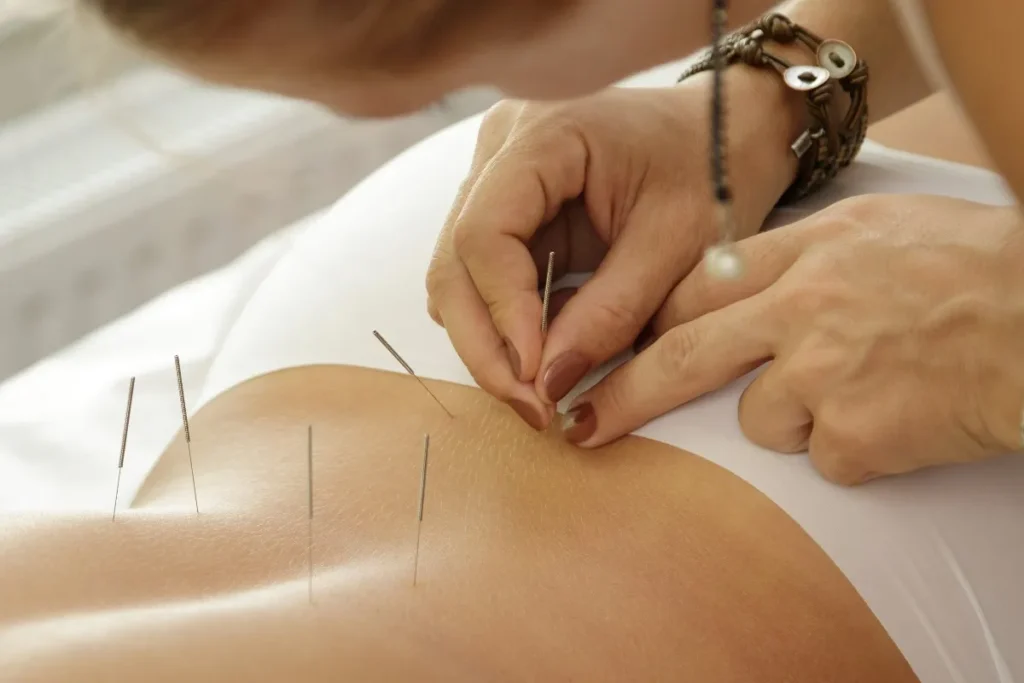
Infertility statistics show a harsh truth: nearly 48.5 million couples worldwide struggle to conceive. This number highlights the urgent need for effective solutions to infertility.
The Global Impact of Infertility Statistics
Infertility touches about 48.5 million couples globally, with 85.4% being women. It deeply affects not just individuals but also families and communities.
Traditional Chinese Medicine (TCM) has long helped with health issues, including fertility. TCM sees the body as a complex system where physical and emotional health are connected.
The 2,500-Year History of Acupuncture for Reproductive Health
Acupuncture, a key part of TCM, has treated health problems for over 2,500 years. It aims to balance the body’s energy by stimulating specific pathways. This helps improve overall health.
Acupuncture for fertility targets specific points to boost reproductive health. It’s based on the idea that the body’s energy, or “qi,” is vital for health and fertility.
Knowing acupuncture’s history and principles helps people decide if it’s right for their fertility journey.
How Acupuncture Therapy for Fertility Works
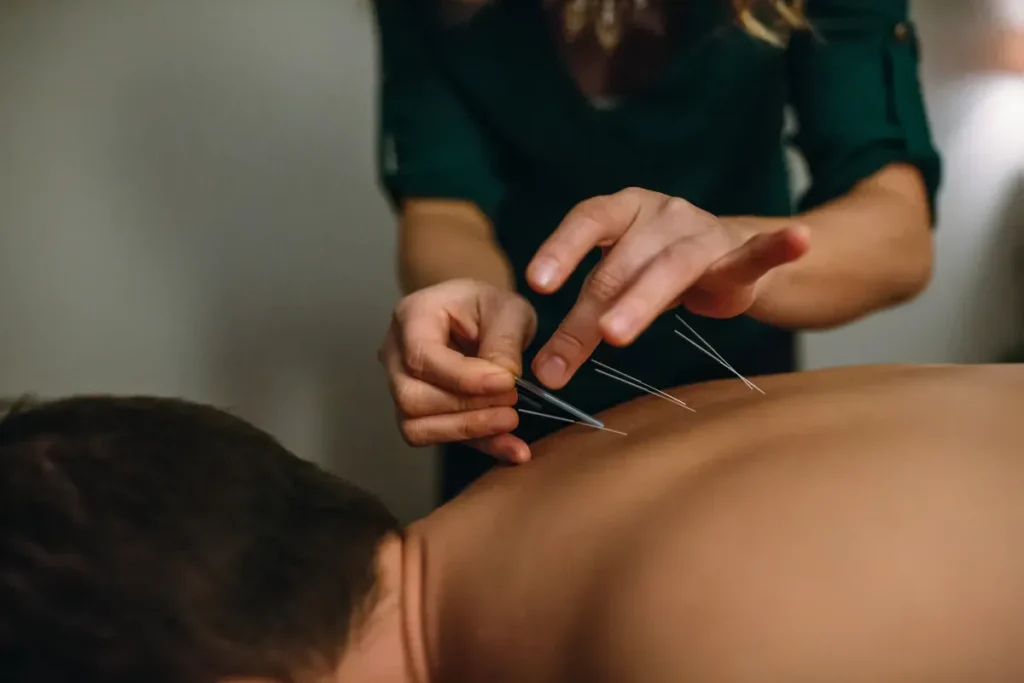
Understanding acupuncture’s role in fertility can help people see its value. It affects fertility in many ways, like regulating hormones and improving blood flow. These actions help with reproductive health.
Biological Mechanisms Affecting Hormone Regulation
Studies show acupuncture can change gonadotropin-releasing hormone levels. This hormone is key for menstrual cycles and fertility. By using specific points, acupuncture can balance hormones, helping those with fertility issues.
A study on Illume Fertility shows acupuncture’s role in hormone regulation. It supports fertility treatments.
Improving Blood Flow to Reproductive Organs
Acupuncture boosts blood flow to the uterus and ovaries. This is vital for healthy reproductive organs. Better blood flow helps with conception and embryo growth.
Key Acupuncture Points for Enhancing Fertility
Acupuncture uses specific points to help fertility. Points like CV6 (Qihai) and ST36 (Zusanli) are used. They help balance the body’s energy and reproductive system.
Acupuncture can be a great addition to fertility treatments. It can improve outcomes and overall health.
Research-Backed Benefits and Treatment Protocols
Acupuncture is now seen as a helpful addition to fertility treatments. It’s an ancient practice that has shown promise in boosting fertility. The research is strong and the results are encouraging.
Clinical Studies on Pregnancy Success Rates
Research shows that acupuncture can increase pregnancy rates. Women who got acupuncture before embryo transfer saw better results. A big study found that acupuncture around embryo transfer boosts pregnancy chances for those doing IVF or ICSI.
How acupuncture helps fertility is not fully understood. But it’s thought to improve blood flow, balance hormones, and lower stress.
Acupuncture for PCOS-Related Infertility
Polycystic Ovary Syndrome (PCOS) is a common problem for women trying to get pregnant. Studies show acupuncture can help manage PCOS. It can also improve fertility by fixing menstrual cycles and helping with ovulation.
Combining Acupuncture with IVF and Other Fertility Treatments
Acupuncture is often paired with IVF and other fertility treatments. It seems to make these treatments work better. Acupuncture might improve the uterine environment and boost implantation chances.
Aanbevolen behandelfrequentie en -duur
How often and for how long you should get acupuncture varies. Usually, it’s once or twice a week for a few months. This helps get the best results.
Knowing about acupuncture’s benefits and how it’s used in fertility treatments can help. It can guide decisions on adding acupuncture to fertility plans.
Conclusie
Acupuncture therapy for fertility is a holistic approach. It addresses physical, emotional, and energetic aspects of reproductive health. This makes it a valuable option for those looking into fertility treatments.
Studies show acupuncture improves blood flow to reproductive organs and lowers stress. The American Society for Reproductive Medicine backs its use for managing stress and infertility issues. This makes acupuncture a safe and effective choice.
For the best results, start acupuncture two to three months before medical treatments. For more details on how acupuncture can help, visit CAM Therapies. They offer insights into using acupuncture to boost your fertility treatment.
FAQ
How does acupuncture help with fertility?
Acupuncture helps by balancing hormones and improving blood flow to the reproductive areas. It also reduces stress, making it easier to conceive.
Can acupuncture increase fertility in both men and women?
Yes, it can. Acupuncture boosts reproductive health in both men and women. It improves sperm quality and helps regulate menstrual cycles.
What are the key acupuncture points used for fertility?
Important points for fertility include those on the lower abdomen, lower back, and legs. They help regulate the reproductive system, improve blood flow, and reduce stress.
Does acupuncture work for PCOS-related infertility?
Yes, it does. Acupuncture can help women with PCOS by making menstrual cycles regular, improving ovulation, and lowering insulin resistance.
How often should I have acupuncture for fertility?
You should get acupuncture 1-2 times a week. It’s best to do it for 3-6 months to see the best results.
Can acupuncture be used alongside IVF and other fertility treatments?
Yes, it’s often used with IVF and other treatments. Acupuncture can make these treatments more effective, increase pregnancy chances, and lessen side effects.
Is acupuncture a proven method for improving fertility?
While more research is needed, studies show acupuncture can help with fertility. It has been linked to better pregnancy rates and reproductive health.
How long does it take to see results from acupuncture for fertility?
Results can vary, but many women see improvements in 3-6 months. Regular treatment is key to seeing these changes.
Referenties
JAMA-netwerk. Evidence-Based Medisch Inzicht. Opgehaald van https://jamanetwork.com/journals/jama/fullarticle/2681194