

Substance abuse is a big problem worldwide. In the United States, it’s even more serious. 48.4 million Americans aged 12 or older are fighting a substance use disorder, the 2024 United States National Survey on Drug Use Health (NSDUH) found.
The opioid crisis and rising substance use disorders are major concerns. We need to know about the most common drugs and their effects. This article looks at the 15 most common drugs, including prescription meds, illegal substances, and alcohol. We’ll dive into their effects, types, and addiction risk.
Belangrijkste opmerkingen
Understanding substance abuse is key for healthcare pros and those looking for reliable info.
The 2024 NSDUH said 48.4 million Americans are dealing with substance use disorders.
27.9 million Americans have an alcohol use disorder, and 28.2 million have a drug use disorder.
1 in 6 people with Substance Use Disorder (SUD) face both alcohol and drug use disorders.
Managing addiction well needs a deep understanding of drug types and proven treatment methods.
The Growing Substance Abuse Crisis in America
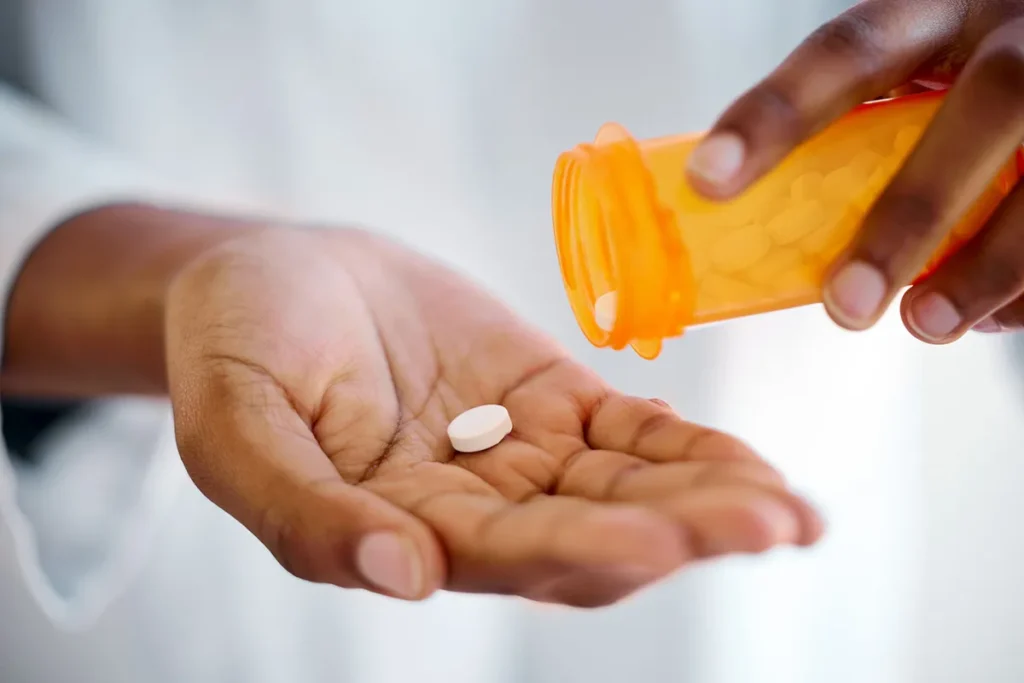
America is facing a big problem with substance abuse. This issue affects many people and has serious consequences. We need to understand the current numbers and trends to tackle this problem.
Current Statistics and Trends
The 2024 NSDUH shows that 18.2% of people aged 12 or older (52.6 million people) needed help for substance use in the past year. But, only 23% of those got the help they needed. This shows a big gap in getting the right care.
It’s also found that 93.3% of teens aged 12 to 17 with a substance use disorder didn’t get help. They also didn’t think they needed it. This highlights the need for better awareness and help for young people.
45.3% of Americans 18 or older who couldn’t get the treatment they needed said it was too expensive.
59.5% said they were not ready to cut back or stop using alcohol or drugs.
38.9% reported not knowing where to go or how to get treatment.
Understanding Addiction as a Brain Disorder
Seeing addiction as a brain disorder is key to finding effective treatments. The relapse rate for substance use disorders is between 40% and 60%. This shows how hard it is to treat addiction.
By understanding the biological, psychological, and social factors of substance use disorders, doctors can offer better care. This includes treatments like medication-assisted therapy and behavioral counseling.
Most Commonly Abused Legal Substances

In the United States, many legal substances are commonly abused. These substances are easy to find but can lead to addiction and health problems.
Alcohol: America’s Leading Addictive Substance
Alcohol is the top addictive substance in America. In 2023, 28.9 million people aged 12 or older had an alcohol use disorder. This is about 10.2% of the population.
Alcohol addiction affects not just the person but also their family and community. Over half of American adults have a family history of alcohol problems. Also, 10.5% of U.S. children live with a parent who has alcohol use disorder.
Tobacco and Nicotine Products
Tobacco and nicotine products are also widely abused. They are addictive because of nicotine. E-cigarettes, seen as safer than traditional tobacco, have made the problem worse.
Prescription Painkillers: Oxycodone and Hydrocodone
Oxycodone and hydrocodone are addictive opioid medications. They have played a big role in the opioid crisis in the U.S. The 2023 National Survey on Drug Use shows many Americans struggle with addiction to these painkillers.
Benzodiazepines: Xanax and Valium
Benzodiazepines, like Xanax and Valium, are used for anxiety and insomnia. But, they can be misused for their sedative effects, leading to dependence. The risk of addiction is high, mainly when used without a prescription or with other substances.
Comprehensive Addiction Chart of Drugs and Their Effects
A detailed addiction chart helps us understand drug abuse and its effects. It shows how different drugs impact our health. This knowledge is key for those in healthcare and for individuals to know the risks of addiction.
Stimulants and Their Impact
Stimulants, like cocaine and methamphetamine, affect the brain a lot. They can lead to addiction and health problems. They are very addictive, which makes them very dangerous.
Stimulants make the heart beat faster, improve mood, and give more energy. But, they can also cause anxiety, paranoia, and heart problems.
Opioids and the Overdose Epidemic
Opioids, including painkillers and heroin, are very addictive. They have caused a big problem with overdoses. The risk of overdose is high because they can slow down breathing too much.
Opioids change how we feel pain and can make us dependent. Knowing this helps us find better ways to treat addiction.
Other Commonly Abused Substances
Substances like marijuana and benzodiazepines also pose risks. They might seem less dangerous, but they can lead to addiction and health problems.
Conclusion: Recognizing Addiction and Finding Help
It’s key to spot the signs of addiction early. Knowing how drugs affect us helps us face addiction’s hurdles. This knowledge is a big step towards getting better.
The 2023 NSDUH shows 2.3 million Americans got help for opioid use, and 4.5 million for alcohol use. Places like American Addiction Centers (AAC) offer top-notch treatment. They have 24-hour detox and premium rehab.
Getting help is a big part of beating addiction. AAC and other groups give ongoing support. By recognizing addiction and getting help, people can win their fight against addiction.
This article aims to give you the facts on common drugs and their effects. It’s all about empowering you to make smart choices for your health. Spotting addiction and seeking help is the start to a healthier life without addiction.
FAQ
What are the most common drugs abused in the United States?
In the U.S., common drugs include alcohol and tobacco products. Prescription painkillers like oxycodone and hydrocodone are also popular. Benzodiazepines, such as Xanax and Valium, are often misused too.
What are the effects of stimulants on the body?
Stimulants make you feel more alert and awake. But, they can also harm your health. They can raise your heart rate and blood pressure. And, they can lead to addiction.
What is the impact of opioids on the body?
Opioids make you feel happy and relaxed. But, they are very addictive. They can slow down your breathing, cause overdose, and even death.
What are the risks associated with benzodiazepines?
Benzodiazepines, like Xanax and Valium, are used for anxiety and sleep. But, people often misuse them. This can lead to addiction and overdose.
How can understanding addiction as a brain disorder help in treatment?
Seeing addiction as a brain issue shows we need a full treatment plan. It should cover biological, psychological, and social aspects of addiction.
What is the role of a detailed addiction chart in understanding substance abuse?
A detailed addiction chart helps us understand the effects of different drugs. It’s useful for healthcare professionals and those struggling with addiction.
What are the signs of addiction?
Signs of addiction include needing more of a drug to feel the same effect. You might also feel sick when you stop using it. Losing control over your drug use and using it despite problems are also signs.
Where can individuals struggling with addiction find help?
Places like American Addiction Centers (AAC) offer help. They have 24-hour detox, top-notch rehab, and ongoing support. They help people on their recovery path.
What are the most commonly abused prescription medications?
Prescription painkillers like oxycodone and hydrocodone are often misused. Benzodiazepines, such as Xanax and Valium, are also commonly abused.
What is the prevalence of substance use disorders in the United States?
The 2024 NSDUH shows many Americans face substance use disorders. This highlights the need for better prevention, treatment, and recovery efforts.
Referenties
JAMA-netwerk. Evidence-Based Medisch Inzicht. Opgehaald van
https://jamanetwork.com/journals/jamapsychiatry/fullarticle/2491279