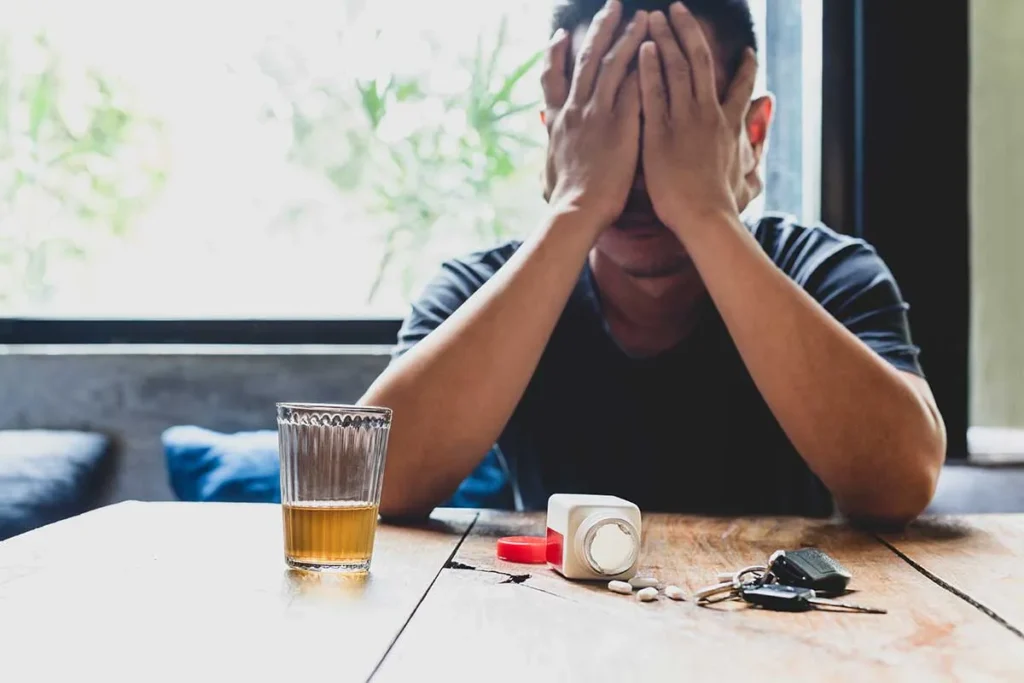
Starting your recovery journey is a big step. Detoxification is the first and most important part. With nearly 50 million Americans struggling with substance use disorders, getting professional help is key.
The detox process helps remove harmful substances from your body. It’s the first step towards a full recovery plan. At GoldCity Center, they use top-notch medical care and focus on the patient. This creates a safe and caring place for you to start your journey to health.
Learning about alcohol & drug detox is the first step to taking back your life. This guide will help you understand the detox process. It offers valuable insights and information to support you on your journey.
Belangrijkste opmerkingen
Detoxification is a critical step in the recovery process.
Professional help is essential for safe and effective detox.
GoldCity Center offers international standards of care for detoxification.
A complete recovery plan follows the detox process.
Understanding the detox process is vital for individuals struggling with substance use disorders.
Understanding Addiction Detox

The journey to recovery begins with detoxification. This process helps manage withdrawal symptoms and removes substances from the body. It’s a key step towards a healthier, substance-free life.
What Is Detoxification Treatment?
Detoxification treatment, or detox, is a medical process. It helps people overcome substance use disorders by managing withdrawal symptoms. The Medical organization says it involves removing the substance and includes medical and psychological support.
Detox is not the same for everyone. It depends on the substance, how long it was used, and the person’s health. A good detox treatment is made just for the person, making it safer and more comfortable.
The Science Behind Withdrawal
Withdrawal happens when the body misses a substance it depends on. It can cause physical and mental symptoms, from mild to severe. The science behind it is complex, involving neurotransmitters and body systems.
Managing withdrawal symptoms is key in detox. Doctors might use medication-assisted treatment to help. For example, methadone and buprenorphine are used for opioid detox. They help reduce cravings and symptoms.
Current Statistics and Success Rates
Statistics on substance use disorders and detox success rates are important. They show how well different treatments work. For example, medication-assisted treatment for opioids can have success rates of up to 50 percent in keeping people abstinent long-term.
Knowing these statistics helps people choose the right treatment. Success rates can change based on the substance, treatment, and how committed the person is to recovery.
The Detoxification Process
Understanding detox is key for those fighting addiction. Detox is the first step in recovery. It removes harmful substances from the body.
Preparing for Detox: When to Seek Help
Getting ready for detox is important. Knowing when to ask for help is vital. The National Center for Biotechnology Information says knowing the signs of addiction helps a lot.
Look for help if you or someone you know has withdrawal symptoms. Or if using substances gets in the way of daily life. Early action can stop addiction from getting worse.
Assessment and Evaluation
Before detox starts, a detailed check-up is done. This looks at physical and mental health, the substance used, and any other health issues.
This check-up helps make the detox program fit the person’s needs. It makes the detox safer and more effective.
Alcohol Detox Timeline and Symptoms
Alcohol detox is tough because of severe withdrawal symptoms. Symptoms usually hit hard 24 to 48 hours after drinking stops.
Drug-Specific Detox Considerations
Each drug has its own detox needs. For example, opioid detox might use medicine to help with withdrawal. Benzodiazepine detox needs careful tapering to avoid bad withdrawal.
Knowing what each substance needs is key for a good detox.
Effective Detox Methods and Approaches

Finding the right detox approach is key to beating addiction. Detox is complex, needing careful thought on substance type, addiction severity, and health.
Medical Detox vs. Home Detox Safety
Choosing between medical detox and home detox is a big decision. Medical detox is safer because doctors can watch over you. They can handle withdrawal symptoms and any health issues that come up.
Home detox is riskier, mainly for those with severe addiction or detoxing from substances like benzodiazepines or alcohol. Yet, it might work for some with a good support system and medical guidance.
Behandelopties met medicatie
Medication-assisted treatment (MAT) is a big part of detox for many. MAT uses medicines to ease withdrawal symptoms, cut cravings, and aid in recovery. The medicines used depend on the substance being detoxed from.
For opioid addiction, methadone and buprenorphine are common. Benzodiazepines help with alcohol withdrawal. MAT often pairs with counseling and therapy for a full treatment plan.
Managing Physical Withdrawal Symptoms
Handling physical withdrawal symptoms is vital in detox. Strategies include medicines, staying hydrated, eating well, and resting. Doctors can tailor a plan to ease symptoms and make detox more comfortable.
Psychological Support During Detox
Psychological support is key during detox. Counseling and therapy help with emotional challenges of withdrawal. They also address addiction causes and teach recovery strategies.
Support groups like Narcotics Anonymous or SMART Recovery offer community and connection. These are important for those in recovery.
Beyond Detox: The Path to Recovery
Finishing a detox program is a big step towards sobriety. Detox is just the start of the recovery journey. It’s the first step towards a healthier, substance-free life.
After detox, ongoing support and treatment are key. People can join therapy and support groups to tackle deep issues. These help them stay sober in the long run.
Everyone’s recovery path is different. Tailoring treatments to fit each person’s needs is vital. With the right care, overcoming addiction and living a healthy life is possible.
FAQ
What is detoxification treatment?
Detoxification treatment helps people overcome substance use disorders. It manages withdrawal symptoms and prepares them for recovery.
What is the science behind withdrawal symptoms?
Withdrawal symptoms happen when the body misses a substance it depends on. It reacts with physical and mental symptoms as it adjusts without the substance.
Hoe lang duurt alcohol detox?
Alcohol detox times vary. Symptoms start 6-24 hours after the last drink. They can last days to a week or more, based on addiction severity.
What is the difference between medical detox and home detox?
Medical detox has professional help to manage symptoms. Home detox lacks medical supervision, posing risks, mainly for severe addictions.
What is medication-assisted treatment?
Medication-Assisted Treatment (MAT) uses medicines with counseling and therapy. It helps reduce withdrawal symptoms and cravings.
Why is psychological support important during detox?
Psychological support is key during detox. It helps with emotional and mental challenges of withdrawal. It lowers relapse risk and supports long-term recovery.
What happens after detox?
After detox, people move to recovery programs. These include counseling, therapy, and support groups. They help keep sobriety and achieve long-term recovery.
How can I prepare for detox?
Preparing for detox means getting professional help and understanding the process. It also involves having a support system.
What are the benefits of medication-assisted treatment for opioid addiction?
Medication-Assisted Treatment for opioid addiction can lead to up to 50 percent success. It reduces withdrawal symptoms and cravings.
Can I detox from drugs and alcohol at home?
Detoxing at home is risky, even for severe addictions. It’s not recommended due to unmanaged withdrawal symptoms.
Referenties
Nationaal Centrum voor Biotechnologie-informatie. Evidence-Based Medisch Inzicht. Opgehaald van https://pmc.ncbi.nlm.nih.gov/articles/PMC4014033/