Explore additional treatment for powerful cancer care success. Learn about amazing therapies that offer hope and improve your healing.
Getting a cancer diagnosis can feel overwhelming. But knowing about the cancer treatment options is key to making good choices for your care. With about 18.6 million cancer survivors in the U.S. by January 1, 2025, and more than 22 million by 2035, it’s vital to learn about the different ways to treat cancer.
Today, medicine has many proven ways to fight cancer. These include surgery, chemotherapy, radiation, immunotherapy, and targeted therapy. Often, doctors use a mix of these to get the best results. Places like GoldCity Center use the latest methods and care each patient like they’re family. This way, everyone gets the right treatment options for them.
Belangrijkste opmerkingen
Understanding the various cancer treatment options is key for patients and their families.
Many proven ways to fight cancer are available, like surgery, chemotherapy, and radiation.
Personalized care is vital for effective cancer treatment.
Top hospitals offer detailed and tailored treatment options.
Patients should look into different treatments and how they work to make smart choices.
Understanding the Cancer Treatment Landscape
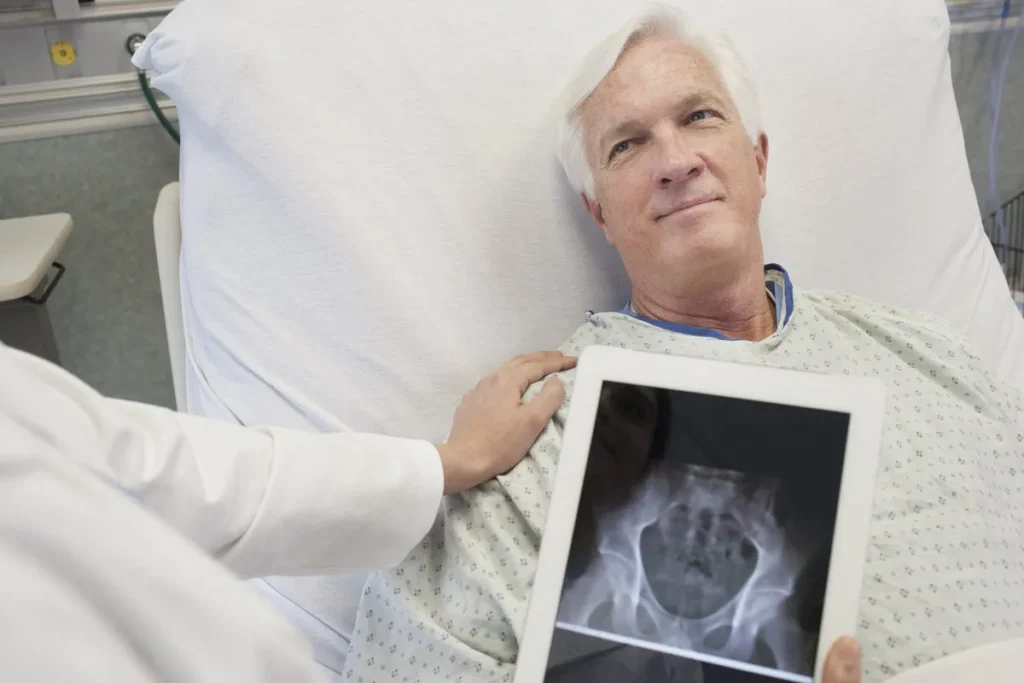
The fight against cancer is getting better, thanks to new treatments and ideas. Today, cancer care is more tailored and advanced. This is due to big steps forward in science and technology.
The Current State of Cancer in America
Cancer is a big health problem in the U.S., hitting millions every year. It’s the second biggest killer in the country. Different cancers bring their own set of challenges and treatment chances.
The American Cancer Society says there are many ways to treat cancer. These include surgery, chemo, radiation, and new methods like immunotherapy and targeted therapy. Doctors often mix these to give the best care.
How Cancer Type and Stage Affect Treatment Choices
The type and stage of cancer are key in picking the right treatment. Early cancers might get surgery or radiation. But, advanced cancers often need treatments like chemo or targeted therapy.
For example, hormone-positive breast cancer might get hormone therapy. But, HER2-positive breast cancer might need targeted therapy. Knowing the cancer’s details is key to choosing the right treatment.
The Multidisciplinary Approach to Cancer Care
Cancer care works best with a team of experts. This team includes surgeons, oncologists, radiation doctors, nurses, and more. They all work together for complete care.
This team approach makes sure all parts of care are covered. From start to finish, they help decide the best treatment for each person.
Standard Treatment Approaches for Cancer
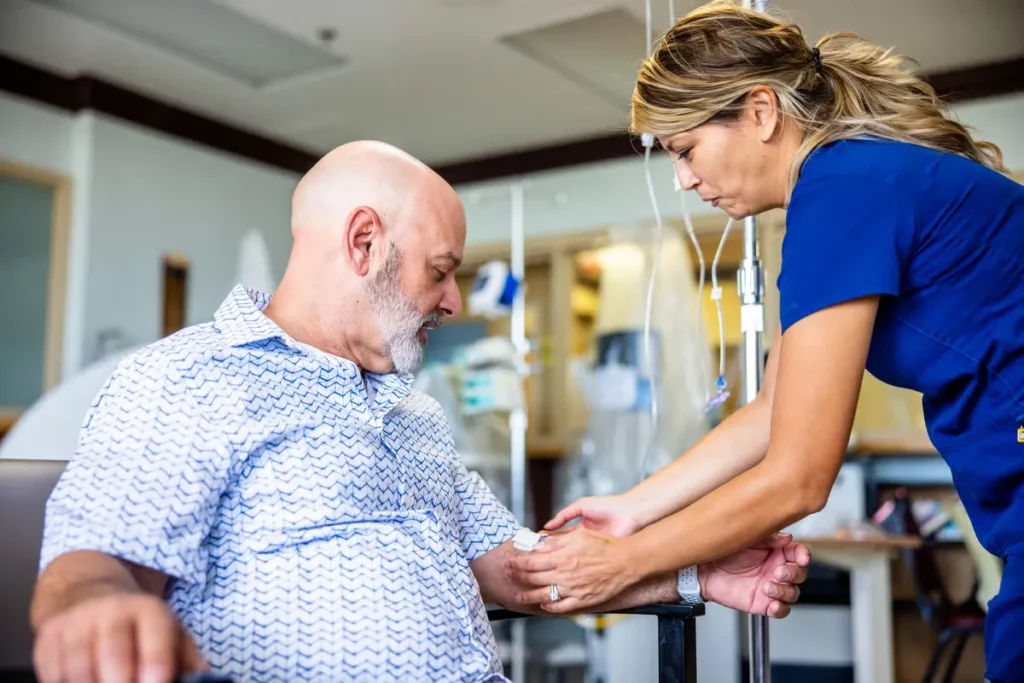
It’s important to know the standard treatments for cancer. Cancer care has evolved, with many options for different types and stages of cancer.
Surgical Interventions
Surgery is a key part of cancer treatment. It involves removing the tumor and some nearby tissue. This method is used for cancers that are in the early stages or are localized.
Surgical interventions can cure cancer or help manage symptoms. For example, in breast cancer, lumpectomy or mastectomy might be done. The choice depends on the cancer’s stage, type, and what the patient prefers.
Radiation Therapy
Radiation therapy uses high-energy particles or waves to kill cancer cells. It can be used alone or with other treatments like surgery or chemotherapy.
External beam radiation therapy (EBRT) sends radiation from outside the body.
Internal radiation therapy (brachytherapy) places radioactive material inside the body.
Radiation therapy works well for localized tumors. It can also shrink tumors before surgery or ease symptoms in advanced cancer.
Chemotherapy
Chemotherapy uses drugs to kill or slow cancer cells. It’s often used when cancer has spread or is at high risk of spreading.
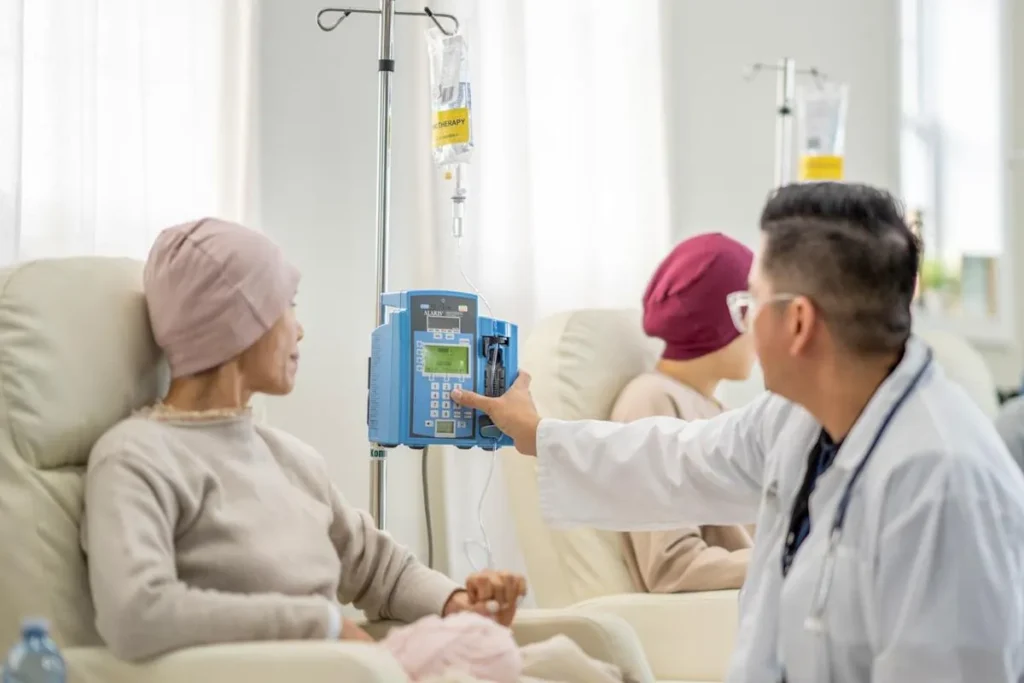
Chemotherapy can be taken orally or through an IV, depending on the drugs and treatment plan. Combination chemotherapy uses multiple drugs to target cancer cells better.
Combination Therapies for Advanced Cancer
For advanced cancers, combination therapies are used to improve treatment results. This combines chemotherapy, radiation therapy, and targeted therapy to fight cancer fully.
Chemotherapy with radiation therapy can better control tumors.
Adding targeted therapy to chemotherapy can target specific molecular mechanisms, improving outcomes.
Understanding and using these treatments helps healthcare providers give personalized care. This improves patient outcomes and quality of life.
Additional Treatment Options and Emerging Therapies
The field of oncology is seeing big changes with new treatments and therapies. These new options give hope to cancer patients and their families.
Immunotherapy: Harnessing the Body’s Defenses
Immunotherapy uses substances to help the immune system fight cancer. It has shown promise in treating cancers like melanoma and lung cancer. The National Academies of Sciences, Engineering, and Medicine say it’s a key part of cancer treatment.
Types of Immunotherapy:
Chemokines
Cytokines
Checkpoint inhibitors
Cancer vaccines
Targeted Therapy: Precision Medicine Approach
Targeted therapy uses drugs that target cancer molecules. This approach has helped in treating cancers like breast cancer and leukemia.
Benefits of Targeted Therapy:
More effective than traditional chemotherapy in some cases
Fewer side effects
Persoonlijke behandel aanpak
Hormone Therapy
Hormone therapy treats cancers driven by hormones, like prostate and breast cancer. It blocks hormone production or stops hormones from fueling cancer growth.
Alternatives to Radiation and Chemotherapy
There are also alternative therapies for cancer, like laser and photodynamic therapy. Cryotherapy is another option.
These new therapies bring hope to cancer patients and their families. As research keeps advancing, we’ll see even more effective treatments in the future.
Conclusie
Finding the right cancer treatment can be tough. But knowing the different options is key for patients and their families. Thanks to new ways of detecting and treating cancer, death rates have gone down a lot. This has saved nearly 4.5 million lives.
Your healthcare team is very important in choosing the right treatment. They help decide when to start treatment. This depends on how long it takes to get test results.
By working with your team, you can make smart choices about your care. You might consider surgery, radiation, chemotherapy, or newer treatments like immunotherapy and targeted therapy.
Today, there are more cancer treatment options than ever. Knowing what’s out there can help you take charge of your fight against cancer. With the right plan, you can hope for better results and longer life.
FAQ
What are the main treatment options for cancer?
Main treatments for cancer include surgery, chemotherapy, and radiation therapy. New options like immunotherapy and targeted therapy are also available.
How does the type and stage of cancer affect treatment choices?
The type and stage of cancer greatly influence treatment. Early-stage cancers often need surgery or radiation. Advanced cancers might require chemotherapy, hormone therapy, or targeted therapy.
What is a multidisciplinary approach to cancer care?
A multidisciplinary approach means a team of healthcare professionals work together. They tailor treatment to each patient’s needs.
What are some standard treatment approaches for cancer?
Standard treatments include surgery, radiation therapy, and chemotherapy. For advanced cancer, combination therapies are used.
What are emerging therapies in cancer treatment?
New therapies include immunotherapy, targeted therapy, and hormone therapy. They offer hope and more options for patients.
What are the alternatives to radiation and chemotherapy?
Alternatives include laser therapy, photodynamic therapy, and cryotherapy. They provide more options for treatment.
How can patients make informed decisions about their cancer care?
Patients can make informed decisions by working with their cancer care team. This helps them navigate treatment options.
What is the significance of personalized medicine in cancer care?
Personalized medicine is key in cancer care. It tailors treatment to each patient, improving outcomes and survival rates.
What are the benefits of immunotherapy in cancer treatment?
Immunotherapy uses the body’s defenses to fight cancer. It offers a promising option with fewer side effects and better results.
How does targeted therapy work in cancer treatment?
Targeted therapy targets specific cancer cells. This reduces harm to healthy cells, leading to better treatment outcomes.
Referenties
Nationaal Centrum voor Biotechnologie-informatie. Evidence-Based Medisch Inzicht. Opgehaald van https://pmc.ncbi.nlm.nih.gov/articles/PMC12439214/[7