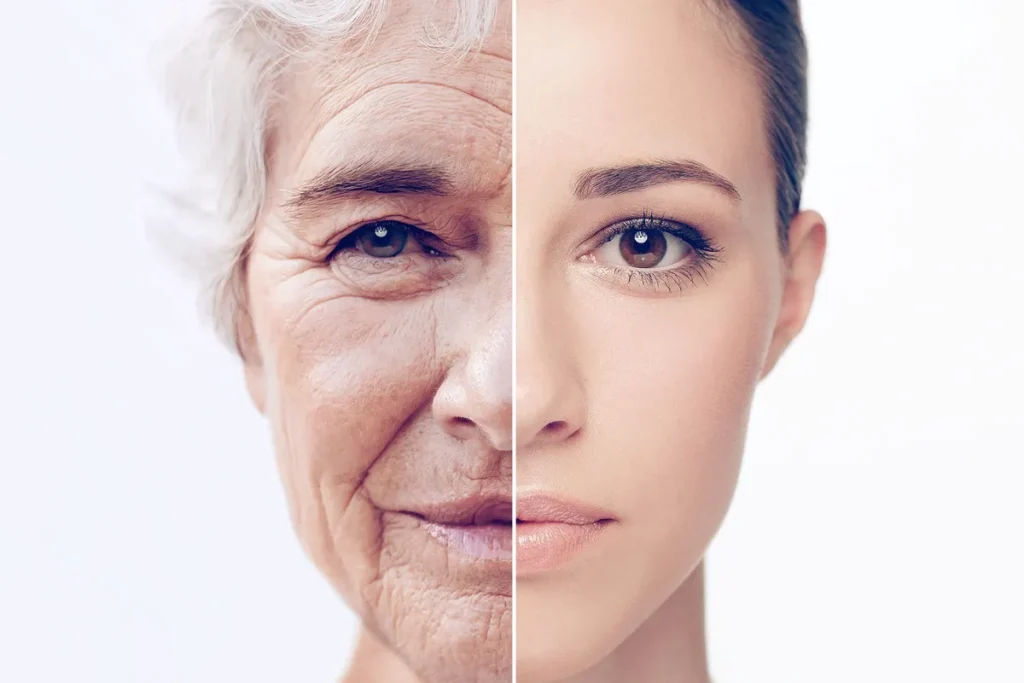
Reverse an aging face with these effective youth-restoring tips. Learn the painful signs of skin decline and how to achieve brilliant results.
As we age, our faces change in many ways. These changes come from our genes, the environment, and how we live. The aging process affects many parts of our face, starting in our 20s and 30s.
Knowing about these changes helps us make better choices. We can keep our faces looking young and bright. By understanding how our faces change, we can start a journey to a more youthful look.
Belangrijkste opmerkingen
The facial aging process is a complex series of changes.
These changes can be influenced by genetics, environment, and lifestyle.
Understanding facial changes helps in making informed decisions.
Maintaining a youthful appearance is possible with the right choices.
Luxury transformation starts with recognizing facial transformations.
The Science Behind Facial Aging
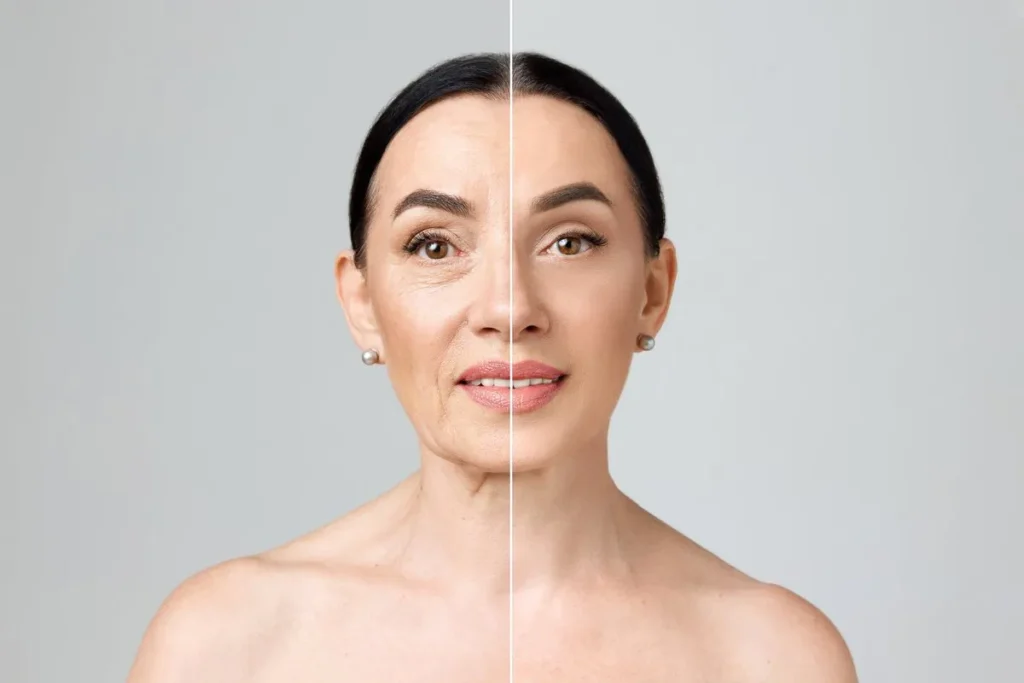
Facial aging is a complex process that changes our bone structure, soft tissue, and skin. As we get older, our faces go through many changes. These changes are caused by both our genes and our environment.
Multiple Anatomical Layers Affected
Studies show that aging affects bone structure, soft tissue, muscle function, and skin composition. Our face has many layers, like skin, muscles, fat, and bone. Each layer is important for how our face looks.
In your 20s, your skin is soft and full of life. But, this is also when facial aging starts to show. Fine lines around the eyes, or crow’s feet, may start to appear. This can happen from spending time in the sun or squinting at screens.
When Age-Related Changes Begin
It’s important to know that aging changes can start early. As we’ve seen in our look at the science behind facial aging, small changes can lead to bigger signs of aging.
By understanding why our faces age, we can find ways to slow it down. This includes using a skincare routine that fits our skin and lifestyle.
Primary Signs of the Aging Face
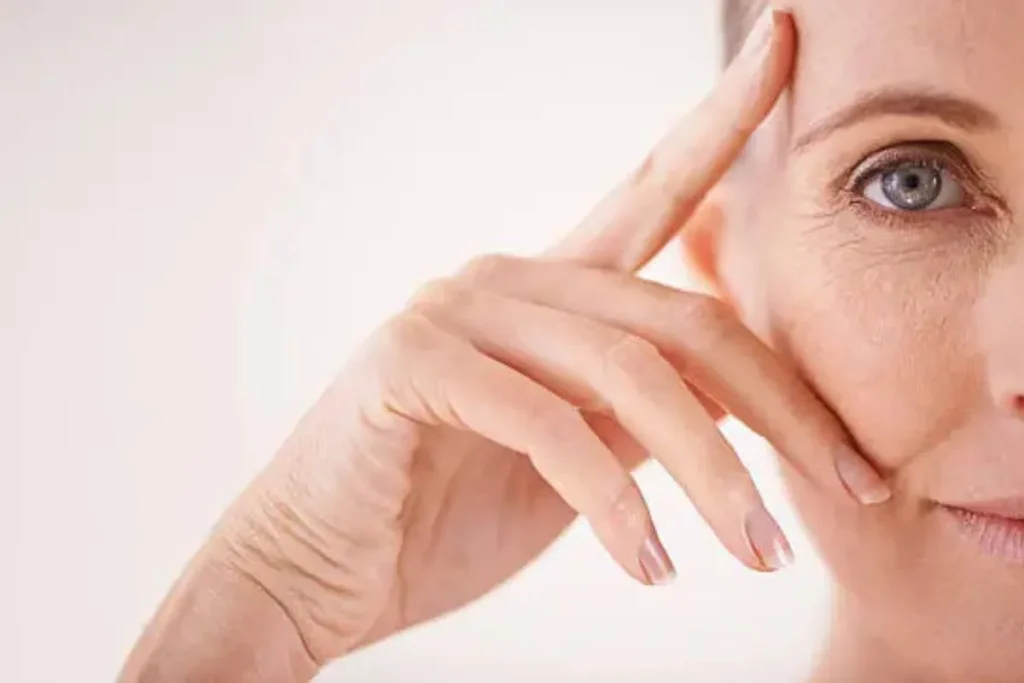
As we age, our faces change a lot. These changes are natural but can affect how we look and feel about ourselves.
1. Dynamic and Static Wrinkles
Wrinkles are a big sign of aging. They can be dynamic or static. Dynamic wrinkles happen when we make facial expressions. Static wrinkles are there even when we’re not moving our face.
Smiling and frowning can make dynamic wrinkles. Over time, these can turn into static wrinkles.
Botulinum toxin injections and dermal fillers help with wrinkles. Botulinum toxin relaxes muscles to reduce dynamic wrinkles. Dermal fillers fill in static wrinkles, making the face look smoother.
2. Volume Loss in Cheeks and Eye Area
The cheeks and eye area lose volume with age. This makes the face look tired and old. Dermal fillers can help by adding back volume, making the face look younger.
3. Bone Structure Remodeling
Our bones change with age, affecting how our face looks. The jawline can lose definition, leading to jowls. Knowing about these changes helps us find the right treatments.
The main signs of aging face are wrinkles, volume loss, and bone changes. Understanding these changes helps us find the right treatments. This way, we can look younger and more radiant.
Additional Facial Aging Indicators
Facial aging is a complex process that affects not just our skin, but the underlying structure of our face. As we age, various changes occur that can significantly impact our facial appearance.
Skin Texture and Elasticity Decline
One of the most noticeable signs of facial aging is the decline in skin texture and elasticity. During our 30s, the production of collagen and elastin, essential proteins that give skin its shape and healthy glow, begins to decrease. As a result, skin may appear more angular and dull. Collagen synthesis reduction and elastin fiber degradation lead to a loss of skin firmness and suppleness.
To combat this, many turn to cutting-edge skincare routines. These include products rich in retinol and peptides. They help stimulate collagen production and improve skin elasticity.
Jowl Formation and Jawline Changes
Aging also leads to the formation of jowls and changes in the jawline. As facial fat redistributes and the bone structure remodels, the jawline can become less defined. This can be addressed through various cosmetic procedures, such as facial contouring and lifting, which help restore a more youthful jawline definition.
Altered Facial Proportions
The proportions of our face can change with age due to bone remodeling and fat redistribution. This can result in a face that appears differently proportioned than in our youth. Understanding these changes is key to finding the right treatments, such as facial fillers and facial sculpting, to restore a more balanced facial appearance.
Skin Color and Pigmentation Changes
Lastly, aging can lead to changes in skin color and pigmentation, resulting in age spots, freckles, and uneven skin tone. These changes can be managed with advanced skincare technologies, including laser treatments and chemical peels. They help to even out skin tone and reduce the appearance of pigmentation irregularities.
By understanding these additional facial aging indicators, we can better navigate the options available for maintaining a youthful and vibrant appearance. Whether through skincare routines, cosmetic procedures, or a combination of both, there are numerous ways to address the signs of facial aging and unlock a more radiant glow.
Conclusion: Understanding Your Changing Face
As we’ve explored, facial aging is a complex process. It involves many changes in our body. Knowing these changes helps keep our face looking young.
The seven signs of aging on our face include wrinkles and loss of volume. These changes affect our bone structure and skin texture. They all play a part in how our face ages.
By understanding these signs, you can pick the best ways to fight them. You can use skincare, cosmetic treatments, or surgery. These options can boost your confidence and show off your beauty.
Starting this journey can make you feel more confident. Remember, beauty changes as we age. With the right steps, you can keep shining with a glow that shows your inner energy.
FAQ
What are the first signs of facial aging?
Facial aging starts early, often in the 20s. You might see fine lines, crow’s feet, and less elastic skin. These changes come from genetics, the environment, and lifestyle choices like smoking and sun exposure.
How does facial aging affect the skin and facial structure?
Aging impacts the skin, fat, and bones. The skin gets less elastic, causing wrinkles and sagging. The face also loses volume, affecting the cheeks and eyes, and the bones change shape.
What are the primary signs of the aging face?
Signs include wrinkles, lost volume, and bone changes. These make the face look older. Treatments like fillers and surgery can help.
How can I address skin texture and elasticity decline?
Use skincare with proven ingredients like retinol and hyaluronic acid. Chemical peels and microneedling can also improve skin texture and boost collagen.
What causes jowl formation and jawline changes?
Jowls and jawline changes come from gravity, fat shift, and bone loss. As we age, the fat pads move, and bones change, making the jawline less defined.
How can I restore a more youthful appearance?
Mix skincare, cosmetic treatments, and lifestyle changes. Use fillers, surgery, and skincare routines for your skin type and concerns.
What are the benefits of understanding facial aging?
Knowing about facial aging helps keep your skin looking young. By tackling aging signs early, you can start a journey to enhance your beauty and confidence.
At what age does facial aging typically begin?
Facial aging starts as early as the 20s. It’s influenced by genetics, environment, and lifestyle.
How can I prevent or slow down facial aging?
Prevent aging with a good skincare routine, sun protection, and a healthy lifestyle. Treatments like fillers and surgery can also help.
Referenties
Nationaal Centrum voor Biotechnologie-informatie. Evidence-Based Medisch Inzicht. Opgehaald van https://pmc.ncbi.nlm.nih.gov/articles/PMC4174174/