Naltrexone is an FDA-approved medication for treating alcohol use disorder. It blocks opioid receptors in the brain. This reduces the pleasure from drinking. The Substance Abuse and Mental Health Services Administration says Naltrexone helps with cravings and recovery.
For those with alcohol use disorder, knowing if it’s safe to drink while on Naltrexone is key. This drug blocks the brain’s pleasure centers. It helps patients control their drinking.
Belangrijkste opmerkingen
Naltrexone is used to treat alcohol use disorder by blocking opioid receptors.
It reduces the pleasurable effects associated with drinking alcohol.
Understanding the safety of drinking while on Naltrexone is critical for recovery.
Naltrexone helps reduce cravings and aids in recovery from addiction.
It’s essential to follow medical guidance when taking Naltrexone.
What Is Naltrexone and How Does It Work?
Naltrexone plays a key role in treating alcohol use disorder. It’s a medication that helps people overcome alcohol dependence. Naltrexone has been studied and used a lot for this purpose.
FDA-Approved Treatment for Alcohol Use Disorder
Naltrexone is an FDA-approved treatment for alcohol use disorder. The FDA found it safe and effective for this use. Research showed it can lower alcohol cravings and drinking.
Knowing how Naltrexone works helps understand its benefits. Naltrexone blocks the euphoric rush or “buzz” from drinking. This helps reduce cravings and drinking over time.
Mechanism as an Opioid Antagonist
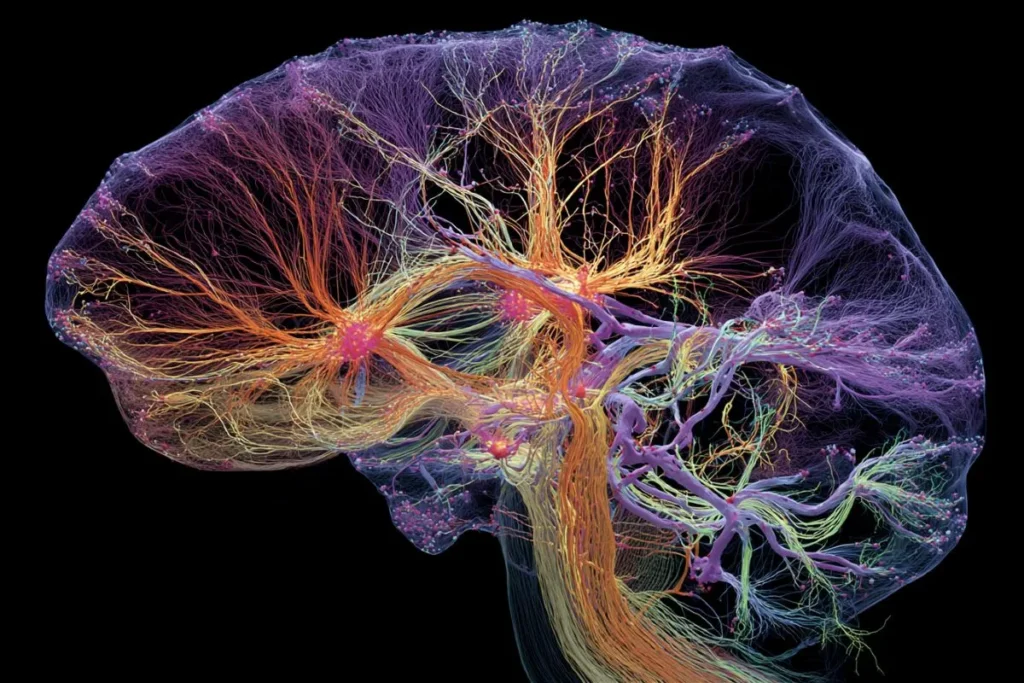
Naltrexone works as an opioid antagonist. It binds to opioid receptors in the brain but doesn’t activate them. This action reduces the pleasure from drinking, helping to lower cravings.
Studies show Naltrexone can manage alcohol use disorder. It reduces alcohol’s rewarding effects. This makes it a helpful tool for those trying to stop drinking.
It’s key to know about the naltrexone alcohol interaction. Naltrexone doesn’t cause a bad reaction with alcohol. Instead, it makes drinking less rewarding, helping people stop or cut down on drinking.
So, the answer to does Naltrexone help with cravings is yes. It reduces the pleasure from alcohol, making it easier to stop drinking. This supports those on the path to recovery from alcohol use disorder.
Alcohol and Naltrexone: Understanding the Interaction
It’s key to know how alcohol and Naltrexone interact for those trying to control their drinking. Naltrexone is a drug used to help people with alcohol dependence.
Safety Profile
Studies backed by the National Institute on Alcohol Abuse and Alcoholism show that Naltrexone and alcohol users can feel the effects of alcohol. But, they might want to drink less. This means Naltrexone can lessen the good feelings from drinking.
There are no major risks when mixing alcohol and Naltrexone. But, it’s important for users to understand how Naltrexone changes how they feel from drinking.
Blocking the “Buzz”
Naltrexone blocks opioid receptors in the brain, which are key for alcohol’s rewarding effects. This action helps lower the good feelings or “buzz” from drinking. It’s a big help in cutting down on alcohol use.
Even so, Naltrexone doesn’t stop the bad effects of alcohol. People can get drunk and face the downsides of too much drinking.
In summary, Naltrexone and alcohol are safe together. Naltrexone helps cut down on the urge to drink without stopping the effects of alcohol. It’s a helpful tool in fighting alcohol use disorder.
Klinisch bewijs en effectiviteit
Many studies have shown that Naltrexone helps people drink less alcohol. It’s been studied a lot, proving it’s good for managing alcohol dependence.
Reduced Consumption Rates
Naltrexone cuts alcohol use and relapse in half compared to a placebo. The FDA and National Institute on Alcohol Abuse and Alcoholism agree. This makes it a great choice for those trying to control their drinking.
The Sinclair Method uses Naltrexone before drinking to cut down on alcohol use. It works by making alcohol less rewarding, helping people drink less over time.
Comparison to Other Treatments
Naltrexone is different from treatments like Antabuse because it doesn’t cause bad reactions when drinking. It blocks opioid receptors in the brain, reducing alcohol’s rewarding effects. This is good for those who don’t want to feel sick from other meds.
Naltrexone doesn’t just cut alcohol use; it also lowers cravings. This makes staying sober easier. Studies show it’s better than other treatments like Antabuse.
Knowing how well Naltrexone works helps people choose the right treatment. Its proven benefits and unique way of working make it a key part of alcohol treatment plans.
Conclusie
Naltrexone is a key tool in treating alcohol use disorder. It helps reduce cravings and alcohol use. When you think about what happens if you drink alcohol on it, studies show it’s mostly safe. But, it might not stop you from getting drunk.
Drinking with naltrexone can lead to problems like losing coordination and thinking slower. This is what the FDA and NIAAA say. Yet, using naltrexone might help you drink less and feel less like drinking.
It’s important to know how naltrexone works with alcohol. It blocks the feeling of getting drunk but doesn’t stop you from getting drunk. The Sinclair Method, which involves taking naltrexone before drinking, can really cut down on cravings and drinking.
In summary, naltrexone helps lower how much alcohol you drink and cravings. It’s a good treatment option. But, it’s not a magic solution. It works best as part of a bigger treatment plan, including formal help for substance abuse.
FAQ
Is it safe to drink alcohol while taking Naltrexone?
Naltrexone helps manage alcohol use disorder and is generally safe with alcohol. But, it’s important to know it blocks the good feelings from alcohol. It doesn’t stop you from getting drunk or feeling impaired.
How does Naltrexone interact with alcohol?
Naltrexone acts as an opioid blocker. It lessens the fun feelings from drinking. It doesn’t stop you from getting drunk, but it makes the “buzz” less intense.
Can Naltrexone help reduce alcohol cravings?
Yes, Naltrexone is proven to cut down on alcohol cravings. It blocks opioid receptors in the brain, which are linked to the pleasure of drinking.
What happens if I drink on Naltrexone?
Drinking on Naltrexone won’t give you the same high as without it. You can get drunk if you drink too much. But, it might make you want to drink less.
Is drinking on Naltrexone dangerous?
No, drinking on Naltrexone isn’t dangerous. But, always follow your doctor’s advice, even if you’re drinking.
How effective is Naltrexone in treating alcohol use disorder?
Naltrexone is FDA-approved for alcohol use disorder and works well. It can help you drink less. It’s even better when used with counseling or support.
Can I take Naltrexone after drinking?
It’s best to wait until you’re sober before starting Naltrexone. Your doctor will tell you when it’s the right time for you.
Does Naltrexone work with the Sinclair Method?
Yes, Naltrexone is part of the Sinclair Method. You take it before drinking. It helps you drink less over time by making drinking less rewarding.
How does Naltrexone compare to other treatments like Antabuse?
Naltrexone and Antabuse are different. Antabuse makes you feel sick if you drink. Naltexone makes drinking less fun. Your doctor can help you choose what’s best for you.
Referenties
Nationaal Centrum voor Biotechnologie-informatie. Evidence-Based Medisch Inzicht. Opgehaald van https://pmc.ncbi.nlm.nih.gov/articles/PMC6819195/