Many people with chronic pain try to use alcohol to ease their pain. Studies show that over a quarter of those with chronic pain use alcohol to help. Lab tests have shown that alcohol can help with pain, but the link between alcohol and pain relief is not simple.
Alcohol might help with pain for a short time. But, new research shows a scary cycle: people with chronic pain are more likely to develop alcohol addiction. It’s important to know the truth about how alcohol affects pain to make smart health choices.
Belangrijkste opmerkingen
Alcohol can offer short-term pain relief, but its effects and risks are complex.
Those with chronic pain are more likely to develop alcohol addiction.
Heavy drinking can change how you feel pain forever.
The most pain relief comes from drinking more than you should.
Over time, you get used to alcohol’s pain relief, which can lead to addiction.
The Science Behind Alcohol’s Pain-Relieving Effects
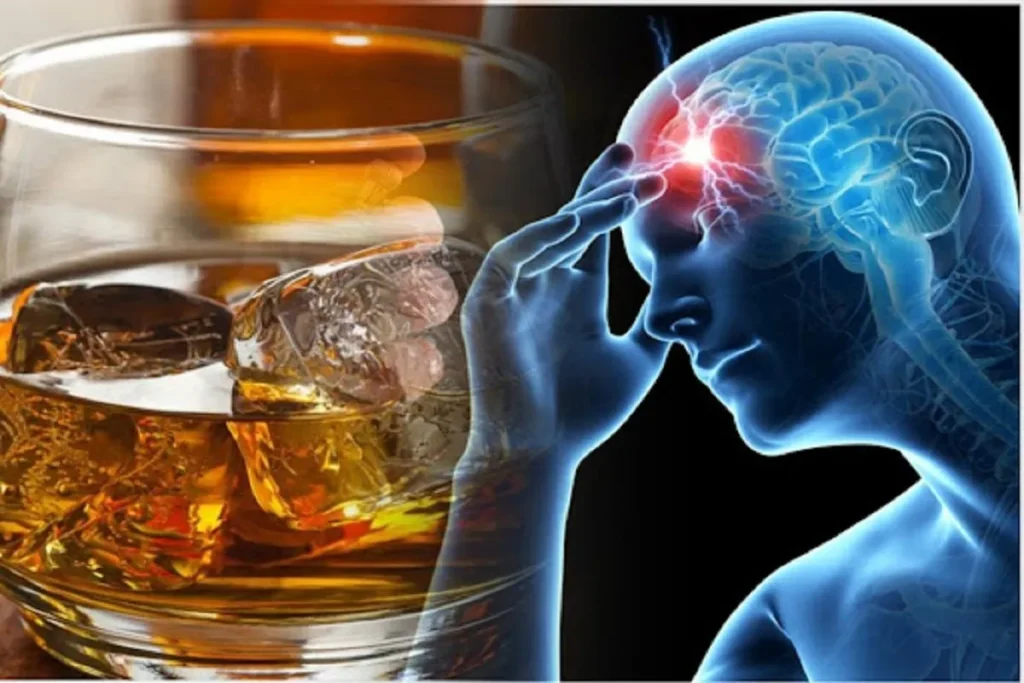
Alcohol’s ability to ease pain is complex. It involves both real pain relief and how we think it will help. To understand this, we need to look at lab studies on alcohol and pain.
Measurable Analgesic Effects in Laboratory Studies
Lab studies show that alcohol can really help with pain. They found that a certain level of alcohol in the blood can make pain feel less intense. This level is about 0.08%.
Blood Alcohol Content and Pain Threshold Reduction
The link between blood alcohol content (BAC) and pain is key. Studies show that a BAC of 0.08% can make pain feel 25% less intense. This means alcohol can help by making us feel pain less.
The Role of Expectancy in Perceived Pain Relief
But, how we think alcohol will help also matters. Our belief in alcohol’s pain relief can be stronger than its actual effect. This shows how our minds and bodies work together when it comes to pain and alcohol.
In summary, alcohol’s pain relief is a mix of real effects and our beliefs. Lab studies prove alcohol can ease pain. But, our expectations of pain relief are just as important.
Alcohol and Pain Relievers: Benefits and Risks
Many people use alcohol to ease pain, but it’s risky. Alcohol can help with pain, but it also poses dangers. About 25% of those with chronic pain use alcohol to feel better.
Why 25% of Chronic Pain Sufferers Self-Medicate with Alcohol
Research shows 28% of chronic pain sufferers use alcohol for relief. They seek quick pain relief. But, this can lead to addiction and increased tolerance, needing more alcohol to feel the same relief.
People self-medicate for many reasons. Some think alcohol reduces pain, while others enjoy its calming effects. But, the long-term risks of using alcohol for pain are serious.
Dose-Dependent Effects on Pain Perception
Alcohol’s effect on pain changes with the amount consumed. More alcohol can provide more relief at first. But, the body soon gets used to it, and more is needed to feel the same relief.
Studies show alcohol can reduce pain sensitivity. Yet, it can also negatively interact with pain medications and lead to alcohol dependence. This makes caution essential.
The Paradox: Subjective Relief vs. Objective Measures
There’s a big difference between how people feel pain relief from alcohol and what actual measures show. People might feel less pain, but tests don’t always agree.
This shows how complex alcohol’s effect on pain is. It’s important to understand this to find safe ways to manage pain.
Conclusie
People with chronic pain often think alcohol helps them feel better. But, this belief doesn’t always match what doctors find. Alcohol might seem to help at first, but it can also lead to big problems like addiction.
Drinking alcohol with pain medicines is very dangerous. Studies show it can slow breathing and even cause death. To learn more, visit LotusBH.
There are safer ways to handle chronic pain. Options like physical therapy and changing your lifestyle can help a lot. Knowing the risks of alcohol for pain relief helps people choose better ways to feel better.
FAQ
Does alcohol really relieve pain?
Yes, alcohol can help with pain. But how well it works depends on several things. These include how much alcohol is in your blood and what you expect it to do.
Is alcohol a viable option for managing chronic pain?
Some people use alcohol to help with chronic pain. But, it’s not a safe choice. It can lead to addiction and doesn’t work well with other pain medicines.
How does blood alcohol content affect pain relief?
Studies show that a blood alcohol level of about 0.08% can reduce pain. It makes people feel less pain, showing they can handle more pain.
What is the role of expectancy in perceived pain relief from alcohol?
Expecting alcohol to help with pain can make a big difference. Sometimes, believing it will work can make you feel better than the alcohol actually does.
Are there alternative methods for managing chronic pain?
Yes, there are safer ways to manage pain. Options include physical therapy, therapy to change how you think, and making lifestyle changes. These methods can help without the dangers of alcohol.
Can alcohol be used as a painkiller?
Alcohol might help with pain for a short time. But, it’s not a good idea to use it as a painkiller. It can lead to addiction and problems with other medicines.
Does alcohol help with nerve pain?
Some people might feel better from nerve pain when they drink alcohol. But, the actual pain might not be lessened as much as they think.
Is alcohol a muscle relaxer?
Drinking alcohol can affect how you feel pain, including muscle pain. It might seem to relax muscles. But, it’s not safe to use it for this purpose because of the risks.
Can drinking alcohol help with back pain?
About 25% of people with chronic pain, including back pain, use alcohol to try to feel better. But, this method is risky.
What are the risks of using alcohol for pain relief?
Using alcohol for pain can lead to addiction and make you less sensitive to pain over time. It also doesn’t work well with other pain medicines. This makes it a bad choice for managing pain.
Referenties
Nationaal Centrum voor Biotechnologie-informatie. Evidence-Based Medisch Inzicht. Opgehaald van https://pmc.ncbi.nlm.nih.gov/articles/PMC6819195/