
Stopping drinking can be tough and lonely. But, thanks to new medical treatments, there’s now help in anti drinking pills and other FDA-approved meds.
Three proven medicines have changed how we treat alcohol use disorder: naltrexone, acamprosate, and disulfiram. Naltrexone, found in VIVITROL, blocks alcohol’s effects. It helps cut cravings and stop relapse.
These tablets to help stop drinking really work. They help people take back control of their lives. By tackling the brain’s addiction drivers, these meds are a strong recovery tool.
Use anti alcohol medication for powerful success in staying sober. Learn about amazing pills that stop painful cravings and drinking.
Belangrijkste opmerkingen
FDA-approved meds like naltrexone, acamprosate, and disulfiram treat alcohol use disorder.
Naltrexone, in VIVITROL, cuts cravings and stops relapse.
These meds tackle addiction’s brain drivers, helping recovery.
Proven treatments are now available to help stop drinking and improve health.
Effective treatment can greatly improve life quality.
Understanding Alcohol Use Disorder and Medical Treatment
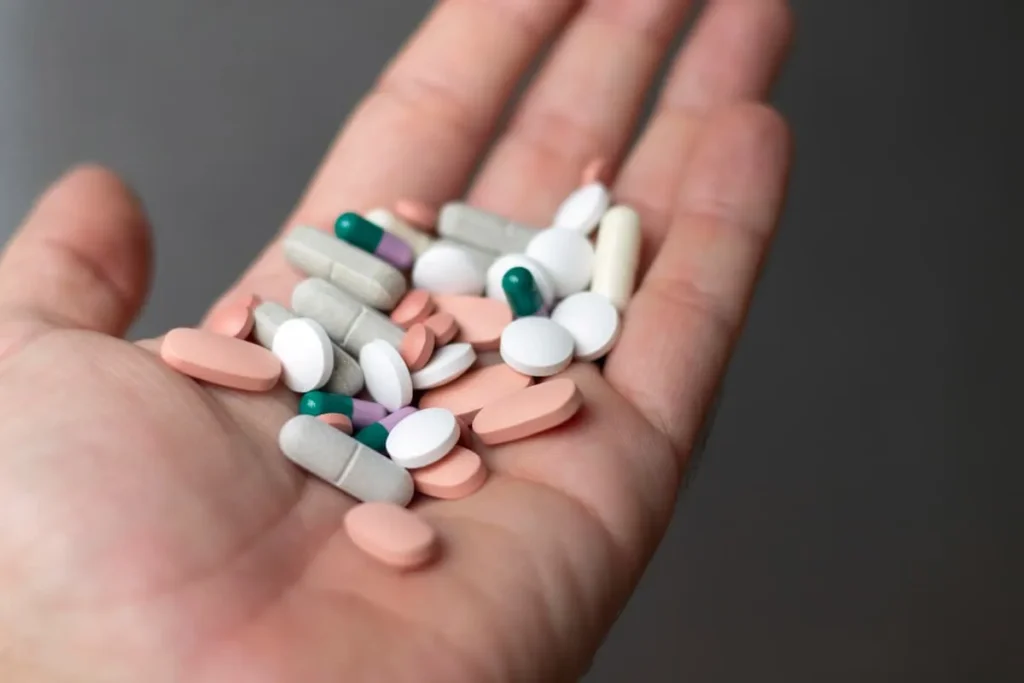
Alcohol use disorder affects millions globally. It’s important to understand its physical and psychological aspects for effective treatment. People with alcohol dependence face symptoms like physical withdrawal, anxiety, and depression.
The Physical and Psychological Nature of Alcohol Dependence
Alcohol dependence makes the body adapt to alcohol. When alcohol use stops or decreases, withdrawal symptoms occur. This physical dependence is linked to psychological reliance on alcohol, making it hard to control drinking.
The psychological side of alcohol dependence involves brain chemistry, emotional control, and environment. Medication to quit drinking can help manage these factors and aid in recovery.
When Medication-Assisted Treatment Is Appropriate
Medication-assisted treatment is a good option for those with alcohol use disorder. Anti-drinking medications can lessen withdrawal symptoms, reduce cravings, and support sobriety.
Deciding if medication-assisted treatment is right involves looking at the person’s medical history, alcohol dependence level, and overall health. Healthcare professionals can help figure out if stop alcohol tablets or other medications are suitable.
FDA-Approved Anti Alcohol Medications and Their Mechanisms

For those struggling with alcohol dependence, FDA-approved medications are a big help. These drugs have been tested and shown to be effective in helping people stop drinking.
Naltrexone: Oral and Injectable Options
Naltrexone blocks opioid receptors in the brain. These receptors are linked to the pleasure of drinking. By reducing this pleasure, Naltrexone helps lower the urge to drink. It comes in oral and injectable forms, giving patients options.
The oral form is taken daily, and the injectable form is given monthly. This lets patients pick what works best for them.
Acamprosate: Stabilizing Brain Chemistry
Acamprosate helps by stabilizing brain chemistry changed by alcohol. It makes staying sober easier by reducing withdrawal symptoms. It’s taken orally three times a day.
Studies show Acamprosate boosts abstinence rates when used with counseling and support.
Disulfiram: The Deterrent Approach
Disulfiram causes unpleasant physical reactions when alcohol is drunk. Symptoms include nausea, vomiting, and headaches. This makes drinking less appealing. It’s taken orally, once a day.
It’s key for patients on Disulfiram to know the dangers of drinking while on it. The reactions can be serious.
Here’s a summary of the three FDA-approved medications:
Each medication has its own way of helping people stop drinking. Knowing how they work helps doctors create better treatment plans for their patients.
Effectiveness and Practical Considerations
When looking into medicine to stop drinking, knowing how well it works and its practical side is key. Medications for alcohol use disorder are a big part of a full treatment plan.
Research Evidence and Success Rates
Studies show that alcohol quitting meds can cut down on drinking days and boost treatment success. Different meds, like naltrexone and acamprosate, help people fight alcohol dependence.
A study in the Journal of the American Medical Association found naltrexone helps people stay sober longer and drink less. Acamprosate also helps keep people from drinking and reduces cravings.
Potential Side Effects and Contraindications
Alcohol quitting meds can be effective but come with side effects and who can’t take them. Naltrexone might cause nausea, headaches, and tiredness. Acamprosate could lead to diarrhea, anxiety, and trouble sleeping.
Talking to a doctor is important to discuss possible side effects and find the right treatment. Some people, like those with liver disease or pregnant women, might need to avoid certain meds or use them carefully.
How to Access Treatment and Insurance Coverage
Getting help for alcohol use disorder starts with talking to a doctor or finding specialized treatment centers. Many insurance plans cover treatment with meds, but what’s covered can vary.
Start by calling your insurance to see if they cover treatment with meds. You can also look online for treatment centers that accept your insurance or offer payment plans.
Understanding the good and practical sides of anti-alcohol meds helps people make smart choices for their care. It’s the first step towards a life free from alcohol.
Conclusion: Creating a Comprehensive Plan to Stop Drinking
Stopping alcohol use needs a mix of medicine, counseling, and lifestyle changes. Research shows that combining medicine and therapy can help treat addiction. Medications like naltrexone and acamprosate help manage withdrawal and cravings.
These medicines can be a big help for those looking to quit drinking. It’s important to work with a doctor to find the right treatment. This includes the right medicines and counseling.
With the right support, people can beat their alcohol addiction. They can live a healthier, more balanced life. For more info on effective treatments, check out this resource. It has the latest research and guidelines on treating alcohol use disorder.
FAQ
What are anti-alcohol medications, and how do they work?
Anti-alcohol medications help people stop or cut down on drinking. They work by changing how the brain reacts to alcohol. This reduces cravings and helps with withdrawal symptoms. The FDA has approved three medications: Naltrexone, Acamprosate, and Disulfiram.
Are there any pills that can help me stop drinking?
Yes, there are FDA-approved pills to help stop drinking. Naltrexone and Acamprosate are two that work well. They help reduce cravings and support recovery.
What is the most effective medication for quitting alcohol?
The best medication for quitting alcohol varies by person. Naltrexone, Acamprosate, and Disulfiram have shown success in studies. The right one for you depends on your needs and health history.
Can medication alone help me stop drinking, or do I need counseling too?
Medication is helpful, but it works best with counseling and lifestyle changes. A full treatment plan includes medication, counseling, and support. This helps you stay sober.
Are there any side effects associated with anti-alcohol medications?
Yes, anti-alcohol medications can have side effects. Common ones include nausea, headache, and fatigue. Always talk to your doctor about possible side effects.
Will insurance cover the cost of anti-alcohol medications?
Many insurance plans cover FDA-approved anti-alcohol medications. Check with your insurance to see what’s covered and any costs you might face.
Can I take anti-alcohol medications if I have a medical condition or take other medications?
Some medical conditions or medications might not mix well with anti-alcohol meds. Always tell your doctor about your health and other meds you take. This helps find the safest treatment for you.
How long do I need to take anti-alcohol medications?
How long you need to take anti-alcohol meds varies. It depends on your treatment plan and needs. Some people may need to take them for months or years.
Can I become dependent on anti-alcohol medications?
Anti-alcohol medications are not usually addictive. But, it’s important to follow your doctor’s advice on dosage and treatment length. This helps avoid any side effects.
Referenties
JAMA-netwerk. Evidence-Based Medisch Inzicht. Opgehaald van https://jamanetwork.com/journals/jama/fullarticle/2811435