Ever felt intense anxiety or panic after drinking, wondering why it happens? You’re not alone. Almost 50% of people getting help for alcohol use also have anxiety disorders.
Drinking can start new anxiety or make old symptoms worse. At first, alcohol might seem to ease anxiety. But this relief doesn’t last, and symptoms can get worse over time. It’s important to understand how alcohol and anxiety are connected to stop post-drinking panic.
Stop anxiety after drinking brilliant calm tips. Understand why alcohol causes painful panic and find powerful ways to restore peace.
Belangrijkste opmerkingen
Alcohol can disrupt brain chemicals, leading to increased anxiety symptoms.
Nearly 50% of individuals with alcohol use disorders also have anxiety disorders.
Alcohol may provide temporary relief from anxiety but can worsen symptoms in the long run.
Understanding the link between alcohol and anxiety is key to managing post-drinking panic.
Evidence-based treatments are available to help individuals overcome alcohol-related anxiety.
The Complex Relationship Between Alcohol and Anxiety
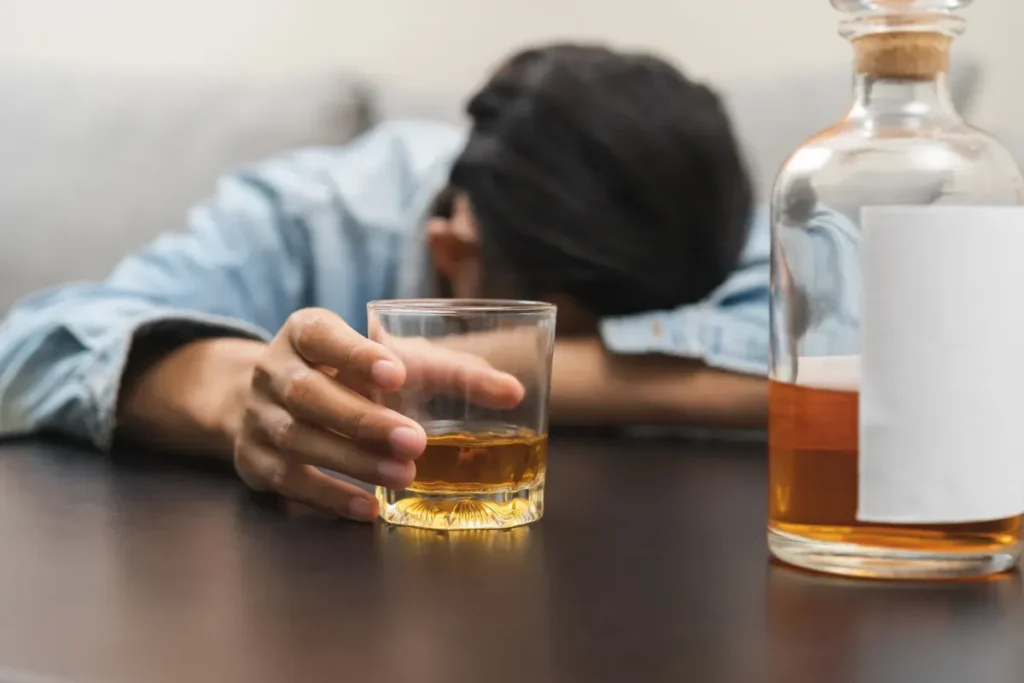
Understanding how alcohol and anxiety are connected is complex. Alcohol use can affect anxiety levels and vice versa. This means that alcohol can both cause and be caused by anxiety.
Studies show that people with alcohol use disorders often have anxiety too. About 25% of those treated for panic disorder had alcohol dependence. This shows we need to treat both problems together.
Statistics on Alcohol Use Disorders and Anxiety
People with alcohol use disorders are more likely to have anxiety. Research finds:
Nearly 1 in 4 with alcohol use disorder also has an anxiety disorder.
Alcohol can make anxiety worse, creating a cycle.
Dealing with both disorders at once is harder.
For more on alcohol and mental health, visit Drinkaware.co.uk.
The Deceptive Calming Effect
Alcohol’s first calming effect is misleading. It makes GABA, a relaxer, work better. But, drinking too much can lower GABA, causing more tension and panic. This makes people think alcohol helps with anxiety, when it actually makes it worse.
The link between alcohol and anxiety is complex. Knowing the facts and alcohol’s calming trick can help people make better choices. It’s key to seek help when needed.
Understanding Anxiety After Drinking: The Science Explained
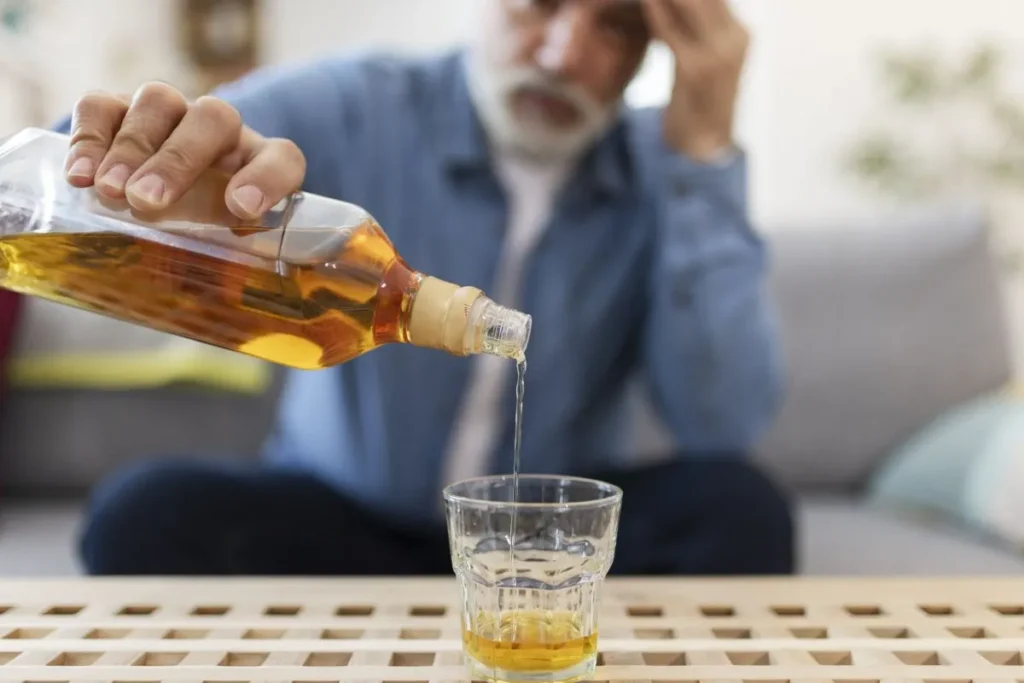
To understand why anxiety happens after drinking, we need to look at how alcohol affects the brain. Alcohol changes how neurotransmitters work, leading to more anxiety.
The GABA Connection
At first, alcohol boosts GABA, making us feel calm. But, drinking too much can lower GABA levels. This can cause more tension and panic attacks. Experts say this is a big reason for anxiety after drinking.
Neurochemical Imbalance During Withdrawal
When alcohol leaves the body, the brain gets out of balance. This imbalance can lead to anxiety and panic. The brain’s effort to get back in balance can make post alcohol anxiety hard to handle.
Hangover-Related Panic Attacks
Hangovers often bring panic attacks as the body tries to rebalance. Low blood sugar, dehydration, and sleep issues make hangover anxiety worse. Knowing this can help manage anxiety and make better choices about drinking.
Understanding the link between alcohol and anxiety helps us take steps to protect our mental health. It’s important to be aware of the risk of panic attacks after drinking alcohol and how to avoid them.
Breaking the Alcohol-Anxiety Cycle
Understanding the link between alcohol and anxiety is key to ending the cycle of panic after drinking. Alcohol can make anxiety worse, and for some, it can cause anxiety that lasts long after the hangover.
Getting professional help is vital for managing both alcohol use and anxiety disorders. A treatment plan that tackles both conditions at once can lead to better results. Recognizing the connection between alcohol-induced anxiety and anxiety after drinking is a big step towards recovery.
It’s common for alcohol to increase anxiety, and it’s important to know the signs. By using therapies like cognitive-behavioral therapy and making lifestyle changes, people can manage their symptoms. This helps them break free from the cycle of anxiety and find lasting relief.
By making smart choices and getting the right support, people can beat alcohol’s hold on their mental health. Knowing why alcohol causes anxiety and the effects of beer on anxiety can help in this journey. It’s a step towards a healthier, more balanced life.
FAQ
Why does drinking give me anxiety?
Drinking can make you feel anxious because it first makes GABA levels go up. This makes you feel relaxed. But, as your body processes the alcohol, GABA levels drop. This can lead to a rebound effect, causing more anxiety and panic.
Does drinking help anxiety?
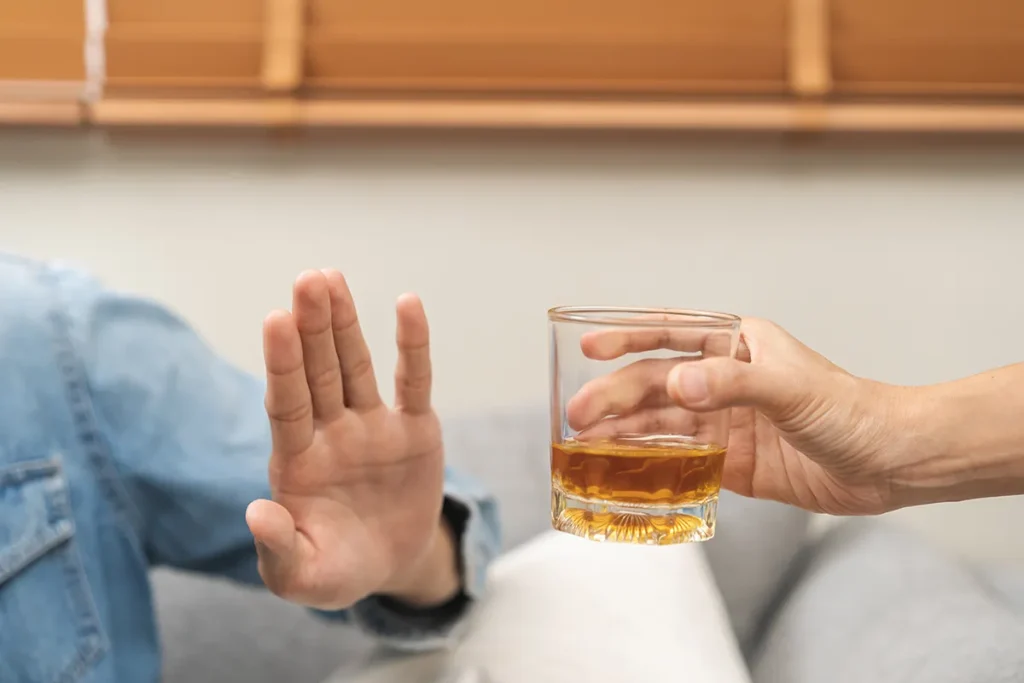
Drinking might seem to help with anxiety at first. But, it can actually make anxiety worse over time. The calm feeling from alcohol doesn’t last long. It can make anxiety symptoms worse.
Does alcohol cause panic attacks?
Yes, alcohol can cause panic attacks. This can happen during withdrawal or when you have a hangover. Drinking a lot can lower GABA levels, making you feel tense and anxious.
Why does alcohol make anxiety worse?
Alcohol worsens anxiety by lowering GABA levels. This leads to a rebound effect, causing more anxiety and panic. Also, heavy drinking can mess with your brain’s chemistry during withdrawal, making anxiety symptoms worse.
Can alcohol increase anxiety?
Yes, alcohol can make anxiety worse, even in people who don’t usually get anxious. The link between alcohol and anxiety is complex. People who drink a lot are more likely to have anxiety problems.
Why is my anxiety so bad after drinking?
Your anxiety might be worse after drinking because of the rebound effect from low GABA levels. Hangover panic attacks and neurochemical imbalances during withdrawal can also play a part. Knowing these reasons can help you manage your anxiety better.
How can I break the alcohol-anxiety cycle?
To break the cycle of alcohol and anxiety, you need a plan that tackles both. Getting professional help and creating a treatment plan that addresses both issues can improve your life quality.
What is post-alcohol anxiety?
Post-alcohol anxiety is when you feel anxious after drinking. It’s often due to the rebound effect from low GABA levels or hangover panic attacks.
Can drinking beer cause anxiety?
Yes, drinking beer can cause anxiety. Beer has alcohol, which can lead to a rebound effect. This can make you feel more anxious and panicked.
How does alcohol-induced anxiety affect my mental health?
Alcohol-induced anxiety can really hurt your mental health. It can make anxiety symptoms worse and even lead to anxiety disorders. It’s important to understand how alcohol and anxiety are connected to take care of your mental health.
Referenties
Nationaal Centrum voor Biotechnologie-informatie. Evidence-Based Medisch Inzicht. Opgehaald van https://pubmed.ncbi.nlm.nih.gov/21484427/