
Your body’s ability to heal wounds is greatly affected by what you eat. Eating the right foods can speed up recovery and lower the chance of infection. Vitamins A, C, and D, and minerals like zinc and iron, are key for healing.
Nutrition is key to successful recovery, whether from surgery, injury, or chronic wounds. Adding the right foods to your diet helps your body heal naturally. GoldCity Center focuses on nutrition for wound healing, putting patients first.
Learn how the right foods can boost your body’s remarkable healing abilities and help you get back to your best quickly.
Belangrijkste opmerkingen
Eat foods rich in vitamins A, C, and D to support wound healing.
Include minerals like zinc and iron in your diet to accelerate recovery.
Proper nutrition is vital for reducing infection risk.
GoldCity Center’s approach highlights nutrition’s role in healthcare.
The right foods can greatly impact wound healing speed and success.
The Science Behind Nutrition and Wound Healing

Learning how nutrition affects wound healing can change your recovery path. Eating a balanced diet with key nutrients is essential. These nutrients help your body fix itself.
Key Nutrients That Accelerate Recovery
Some nutrients are key for healing wounds. Vitamins C and D are very important. Vitamin C helps make collagen, which is vital for skin repair. Vitamin D boosts overall health and aids in healing.
Zinc is also critical. It helps the immune system and aids in healing wounds. Getting enough of these nutrients can really help you recover faster.
How Protein and Amino Acids Support Tissue Repair
Protein is vital for healing wounds. It gives your body the materials it needs to fix tissues. Eating plenty of protein can help your body heal faster.
Amino acids, which come from protein, are also essential. They help at every stage of healing, from starting to finish. So, make sure you get enough protein to heal well.
7 Best Foods for Wound Healing
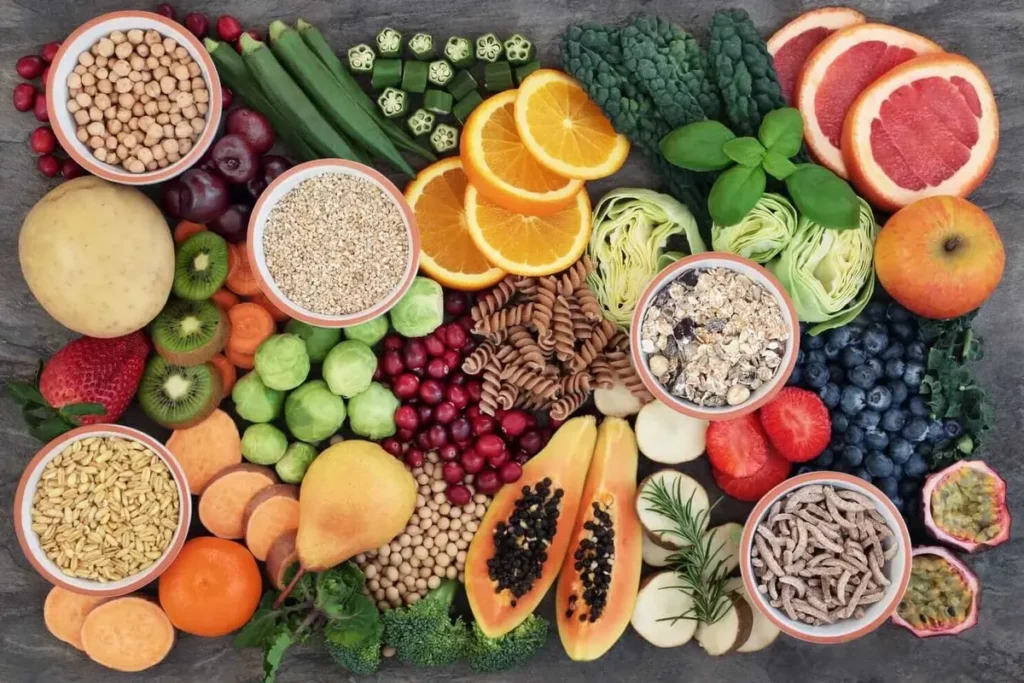
Nutrition is key for wound healing. Some foods can really help speed up the recovery. Eating a balanced diet with the right nutrients helps your body heal faster and better.
1. Leafy Greens: Nature’s Healing Powerhouse
Leafy greens are full of vitamins A, C, and K. They also have zinc and iron. These nutrients help fix tissues, lower inflammation, and aid in healing.
2. Berries: Antioxidant-Rich Healing Boosters
Berries are loaded with vitamin C and antioxidants. Vitamin C is important for making collagen, which makes tissues stronger and lowers infection risk.
3. Fatty Fish: Omega-3 for Reduced Inflammation
Fatty fish like salmon are great for omega-3 fatty acids. These acids reduce inflammation and help healing. Omega-3s keep the body’s inflammation in check, helping it heal well.
4. Eggs and Poultry: Complete Protein for Tissue Repair
Eggs and poultry are full of high-quality protein. Protein is essential for fixing and growing new tissues. It gives the body what it needs to heal.
For more info on nutrition for wound healing, check out Memorial Sloan Kettering Cancer Center’s guide on nutrition for wound healing.
Conclusion: Creating Your Wound-Healing Meal Plan
Make your body glow by eating the right foods. Eat a balanced diet full of vitamins that help wounds heal. Leafy greens and berries are great choices.
Also, add protein-rich foods like eggs and poultry. They help repair tissues.
A good meal plan with healing foods and enough water can boost your healing. So, what vitamin is good for wound healing? Vitamins like vitamin C in citrus fruits and vitamin A in sweet potatoes are key.
Choose your foods wisely and drink plenty of water. This way, you can heal faster and look radiant. Focus on whole grains, fruits, and veggies. Take care of your beauty from the inside.
FAQ
What are the best vitamins for wound healing?
Vitamins C and D are key for healing wounds. Vitamin C helps make collagen. Vitamin D boosts the immune system and aids in healing.
How does zinc aid in wound healing?
Zinc is vital for healing wounds. It helps with making proteins, cell growth, and keeping the immune system strong.
What foods are rich in protein and support tissue repair?
Eggs, poultry, fish, and lean meats are full of protein. They have amino acids that help fix tissues and heal wounds.
Are there specific foods that can help reduce inflammation during wound healing?
Yes, fatty fish like salmon are good. They have omega-3 fatty acids that lower inflammation and help wounds heal.
How do antioxidants aid in the wound healing process?
Antioxidants in foods like berries protect wounds. They keep the wound area healthy, helping it heal better.
What role does hydration play in wound healing?
Drinking enough water is key for healing wounds. It keeps tissues oxygenated, boosts blood flow, and aids in the healing process.
Can nutrition alone accelerate wound healing?
Nutrition is very important for wound healing. But, a full approach that includes good wound care, medical treatment, and a balanced diet can speed up recovery a lot.
Are there any foods that should be avoided during wound healing?
Yes, foods high in sugar, salt, and unhealthy fats should be limited. They can slow down healing and cause inflammation.
How can I create a meal plan that supports wound healing?
Make your diet rich in nutrients by eating leafy greens, berries, fatty fish, and lean proteins. Also, drink plenty of water to help your body heal naturally.
Referenties
Impact of nutrition on skin wound healing and aesthetic outcomes: A comprehensive narrative review.