
Weed addiction can be tough to quit, but it’s doable with the right help—about 30% of users develop it. It’s key to know the science behind dependence and withdrawal. Your path to a healthier life starts here.
To beat weed addiction, you need a solid plan—learning about it is your first step towards life without weed. Quitting cold turkey is hard, but with a good plan, you can do it. This guide offers tips and strategies to help you succeed every step of the way.
Belangrijkste opmerkingen
Understand the challenges of quitting cannabis and the science behind cannabis use disorder.
Develop a solid plan to overcome cannabis addiction.
Identify triggers and find ways to handle them.
Get rid of marijuana-related items to help you quit.
Seek professional help for a successful recovery.
Understanding Cannabis Addiction and Withdrawal
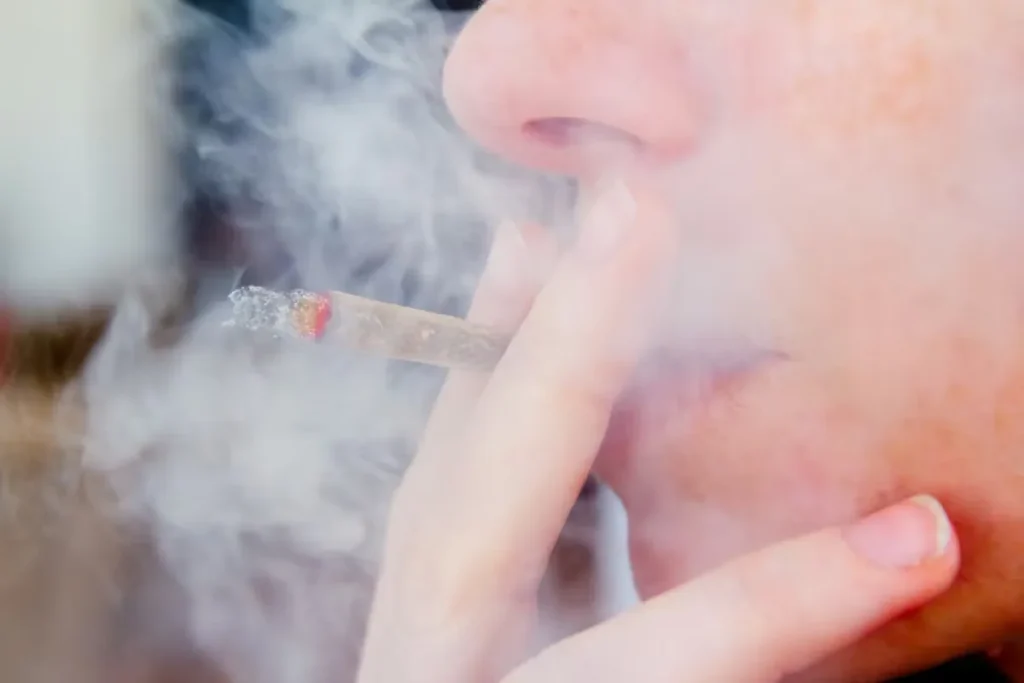
Overcoming cannabis addiction starts with knowing how it affects the brain and body. It’s a complex issue with psychological, physical, and environmental factors.
The Science Behind Cannabis Dependence
Cannabis affects the body’s endocannabinoid system, changing mood, memory, and perception. Regular use can lead to dependence. The body adapts to cannabinoids, making it hard to stop without withdrawal symptoms.
Cannabis dependence means you can’t control use despite negative effects. It needs a full treatment plan, including understanding the withdrawal process.
Common Withdrawal Symptoms to Expect
Quitting cannabis can lead to withdrawal symptoms. These include irritability, anxiety, sleep issues, and less appetite. Knowing these symptoms helps manage them better.
Timeline of the Quitting Process
The time it takes to quit cannabis varies. Symptoms usually peak in the third day and can last weeks. Knowing this helps prepare for the challenges.
Understanding cannabis dependence and withdrawal helps in quitting. This knowledge lets people make better choices and seek help. It leads to a healthier, more balanced life.
The Best Way to Give Up Smoking Weed: Effective Strategies
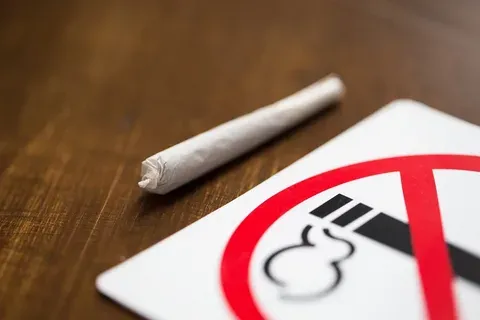
Quitting weed can be tough, but it’s doable with the right strategies. You need to understand your addiction, set clear goals, and pick a good method to beat your dependence.
Setting Clear Quit Dates and Goals
Choosing a specific quit date is key. It gives you a deadline and helps you get ready for the challenge. Having a clear plan with achievable milestones boosts your success chances.
To set good goals, think about these:
Know why you want to quit.
Pick a realistic quit date.
Have plans for when you crave it.
Get support from loved ones or a group.
Cold Turkey vs. Gradual Reduction Methods
There are two main ways to quit: cold turkey or gradual reduction. Cold turkey means stopping weed use right away. Gradual reduction means slowly cutting down your use over time.
Which method you choose depends on what you prefer and need. Some like cold turkey for its simplicity. Others prefer gradual reduction for its gentler approach.
Creating a Concrete Quit Plan
A solid quit plan is key to beating weed addiction. It should cover how to handle cravings, avoid triggers, and stay motivated.
To make a good quit plan:
Know your triggers and how to avoid them.
Find healthy ways to deal with stress and cravings.
Get professional help if you need it.
Keep track of your progress and adjust your plan as needed.
By following these steps and sticking to your goals, you can quit smoking weed and live a healthier life.
Maintaining Your Cannabis-Free Lifestyle
Choosing a cannabis-free lifestyle is a big step. It takes hard work and dedication. Every day you resist the urge to smoke weed is a win. Staying sober is tough, but with a solid plan, you can do it.
To stay weed-free, create a healthy routine. Find activities that make you happy and practice self-care. Surround yourself with people who support you. This will help you face challenges and keep your sobriety.
It’s true, quitting weed is different for everyone. But with the right attitude and support, you can beat the odds. Stay true to your goals and celebrate your successes. This will help you keep your lifestyle weed-free and enjoy its benefits.
FAQ
How do I stop smoking weed?
To stop smoking weed, first understand why you use it. Set a quit date and goals. Then, pick a quitting method that fits you. With a solid plan and determination, you can beat cannabis addiction and live healthier.
Is it hard to quit weed?
Quitting weed is tough, but doable with the right mindset and support. Knowing how cannabis addiction works helps. It also helps to know how to deal with withdrawal symptoms like feeling irritable or anxious.
What are the best ways to help quit smoking weed?
Good strategies include setting clear goals and choosing a quitting method. Having a detailed quit plan helps. Find what works for you to stay motivated and live without weed.
How can I quit smoking weed cold turkey?
Quitting cold turkey means stopping weed use suddenly. It’s tough but can work for some. Be ready for withdrawal symptoms and have support.
What helps stop smoking weed?
Knowing why you use weed and setting goals helps. Having support is key. Finding healthy ways to cope also helps in quitting.
How long does it take to overcome cannabis withdrawal?
Quitting time varies by person. Symptoms usually peak in three days. Knowing this helps you stay focused on quitting.
Can I quit weed on my own?
You can quit alone, but support makes it easier. The right resources and support help beat addiction and lead a healthier life.
How do I maintain a cannabis-free lifestyle?
Keeping weed-free needs ongoing effort and commitment. Find healthy ways to cope and stay connected with support. This helps you live a balanced, fulfilling life.
Referenties
Nationaal Centrum voor Biotechnologie-informatie. Evidence-Based Medisch Inzicht. Opgehaald van https://pmc.ncbi.nlm.nih.gov/articles/PMC5414724/