
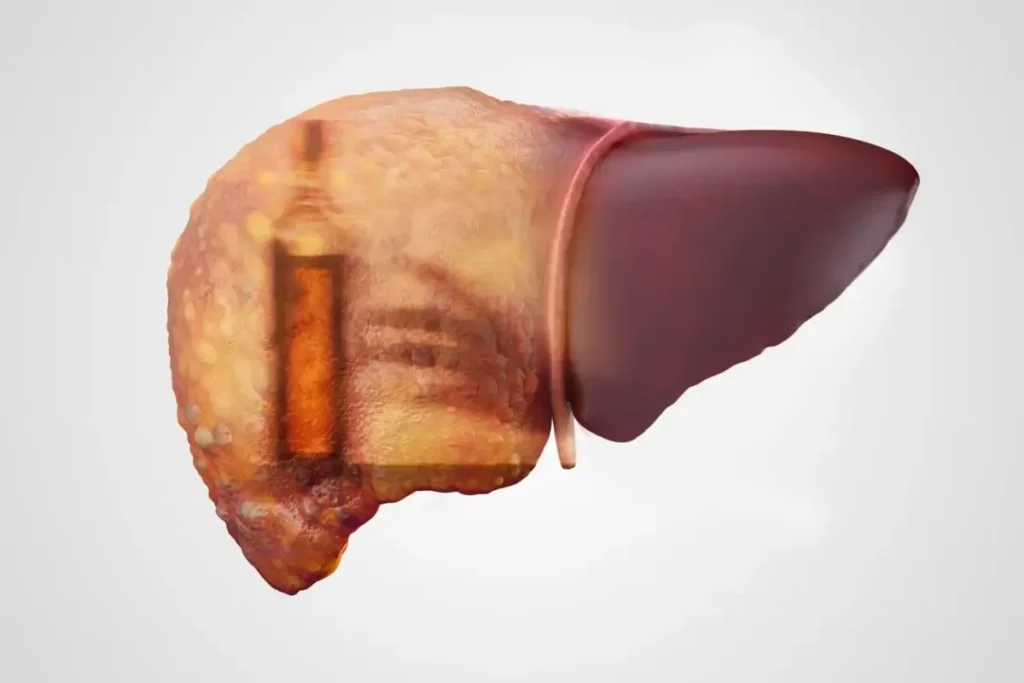
Drinking too much alcohol in a short time, called binge drinking, can harm your liver and raise liver enzymes too high. Unlike drinking in moderation, binge drinking damages your liver quickly and badly. This can lead to permanent damage.
GoldCity Center focuses on the dangers of binge drinking. They help people understand the risks to their liver health. Knowing how too much alcohol affects your liver is key to staying healthy.
Belangrijkste opmerkingen
Binge drinking can cause rapid and significant liver damage.
Elevated liver enzymes are a key indicator of liver stress.
The short-term effects of alcohol on the liver can be severe.
GoldCity Center emphasizes understanding these risks for better health decisions.
Excessive alcohol consumption can lead to irreversible liver damage.
The Immediate Impact of Binge Drinking on Liver Function

Binge drinking severely affects the liver, causing a series of chemical reactions. When alcohol is drunk in large amounts quickly, the liver must work hard to break it down. This leads to an increase in liver enzymes, showing liver stress and possible harm.
How Alcohol Metabolizes in the Liver
The liver is key in breaking down alcohol. When we drink, the liver turns alcohol into acetaldehyde, a harmful substance, with the help of CYP2E1. This process is vital in understanding how alcohol raises liver enzymes and the harm it can do to liver tissue.
CYP2E1 is a major enzyme in alcohol metabolism. It’s part of the cytochrome P450 family and grows with regular alcohol use. Even a single binge can raise CYP2E1 levels, speeding up alcohol to acetaldehyde conversion and causing liver harm.
CYP2E1: The First Enzyme to Respond
CYP2E1 quickly responds to binge drinking by boosting its activity to process the extra alcohol. This fast action is key in understanding can one night of drinking raise liver enzymes. The rise in CYP2E1 and other liver enzymes shows the liver’s fight against alcohol toxicity.
The jump in liver enzymes, like CYP2E1, is the liver’s way to deal with alcohol’s toxic effects. This increase can be seen in liver function tests, giving clues about liver stress and possible damage from binge drinking.
Knowing how CYP2E1 reacts to binge drinking is vital in understanding the link between alcohol, liver enzymes, and liver damage. The connection between binge drinking, liver enzyme rise, and liver harm is complex, involving many chemical pathways and processes.
Understanding Binge Drinking Liver Damage and Enzyme Elevation
Binge drinking can harm your liver and cause enzyme levels to rise. It means drinking a lot in a short time, raising your blood alcohol level to 0.08% or higher. This can seriously damage your liver.
Key Liver Enzymes Affected by Alcohol
Drinking a lot, like binge drinking, affects liver enzymes. The main ones are ALT (Alanine Transaminase), AST (Aspartate Transaminase), and GGT (Gamma-Glutamyl Transferase). These enzymes show how well your liver is working.
ALT and AST are mostly in the liver, but AST is also in other parts of the body. GGT, though, is very sensitive to alcohol. High levels of these enzymes mean your liver might be damaged.
Research Findings on Binge Drinking and Liver Health
UC San Francisco research found binge drinking can cause liver disease symptoms. Just 21 episodes of binge drinking can lead to fatty liver and inflammation. This shows binge drinking can really hurt your liver.
High liver enzyme levels from binge drinking are a warning sign. It means your liver is stressed and might be damaged. It’s important to check your liver health if you binge drink.
Binge drinking can cause alcoholic elevated liver enzymes. This can lead to serious liver damage if not treated. It’s key to know the risks of binge drinking and check your liver health often.
Conclusion: Pattern vs. Volume in Alcohol Consumption
Binge drinking can harm your liver health. It’s important to know the risks of drinking too much. Research shows that how you drink matters more than how much you drink.
Studies have found that binge drinking can raise liver enzyme levels. This is true even for people who don’t drink a lot overall. It shows that how often and how much you drink matters more than the total amount.
It’s key to understand the dangers of binge drinking for your liver. If you’re worried about your liver, think about your drinking habits. Knowing how drinking affects your liver and recognizing signs of damage can help you drink smarter.
Can you drink if your liver enzymes are high? It’s best to avoid alcohol in this case. Remember, it’s not just how much you drink but how you drink it that affects your liver. Being careful with your drinking can help keep your liver healthy and improve your overall health.
FAQ
Can one night of drinking raise liver enzymes?
Yes, binge drinking for just one night can stress your liver. It might even cause damage.
How much alcohol raises liver enzymes?
How much alcohol affects liver enzymes varies by person. But, drinking too much, like binge drinking, is a big risk.
Is getting drunk easily a sign of liver damage?
Getting drunk quickly might mean different things, like liver health issues. But, it’s not always a clear sign of damage. If you’re always getting drunk fast, talk to a doctor.
Can you drink alcohol with elevated liver enzymes?
If your liver enzymes are up, it’s best to cut down or stop drinking. Drinking more can hurt your liver more.
Does drinking mess up your liver?
Drinking too much, like binge drinking, can really stress your liver. It might even cause damage and raise liver enzymes.
How much drinking causes fatty liver?
Drinking too much increases the risk of fatty liver disease. Binge drinking is linked to a higher risk.
How many years of drinking to cause liver damage?
How long it takes to damage your liver from drinking varies. It depends on how much you drink, your health, and more. But, drinking too much for a long time raises the risk.
What is the short term effect of alcohol on the liver?
Drinking alcohol can quickly raise liver enzymes, showing liver stress. Binge drinking can lead to more serious liver damage.
How does binge drinking affect liver function?
Binge drinking overloads the liver, causing it to fail at breaking down alcohol. This can lead to liver damage and raised liver enzymes.
What role does CYP2E1 play in alcohol metabolism?
CYP2E1 is a key enzyme in alcohol breakdown. Drinking too much increases it, leading to liver damage through reactive oxygen species.
Referenties
Nationaal Centrum voor Biotechnologie-informatie. Evidence-Based Medisch Inzicht. Opgehaald van https://pubmed.ncbi.nlm.nih.gov/25218423/