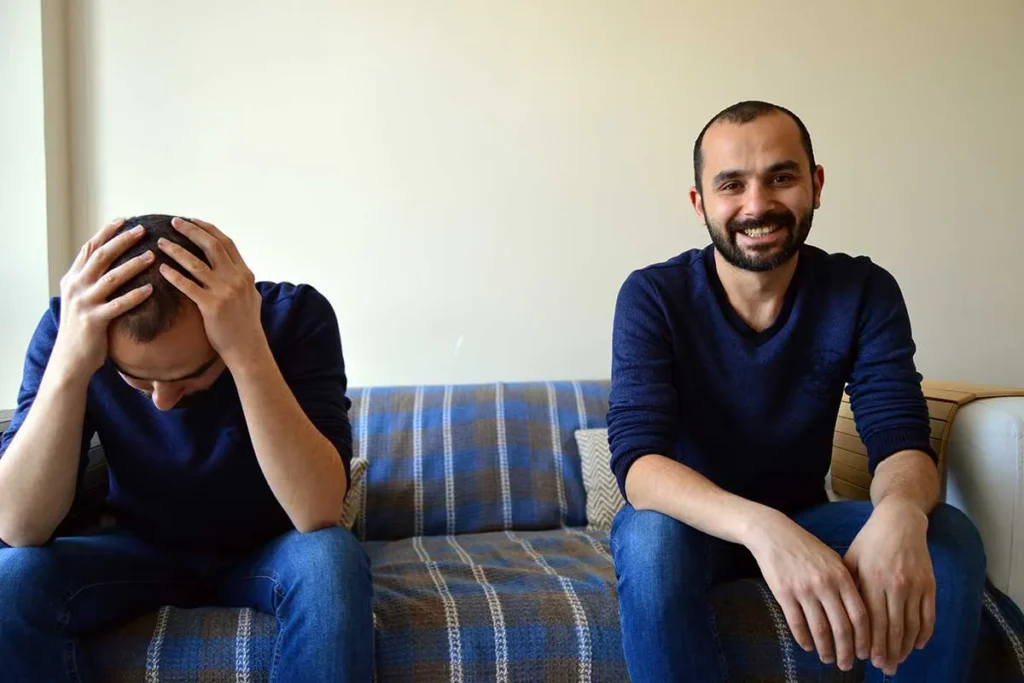
Bipolar disorder is a chronic mental health condition that affects millions worldwide. It causes dramatic mood, energy, and activity level shifts. Approximately 2.8% of U.S. adults experience bipolar disorder each year, making it a major health issue.
It’s important to recognize the distinctive signs and symptoms of bipolar disorder for effective treatment. This guide will cover the 12 key indicators of bipolar mania and depression. It will help you understand if these patterns are signs of bipolar disorder.
By grasping the complexities of bipolar disorder, people can get the medical help they need. This can lead to better treatment results and a higher quality of life.
Belangrijkste opmerkingen
Understanding bipolar disorder is key to effective treatment.
Bipolar disorder affects about 2.8% of U.S. adults each year.
Knowing the signs and symptoms is vital for managing the condition.
This guide explores 12 key indicators of bipolar mania and depression.
Getting medical help quickly can improve treatment outcomes.
Understanding Bipolar Disorder: Types and Prevalence
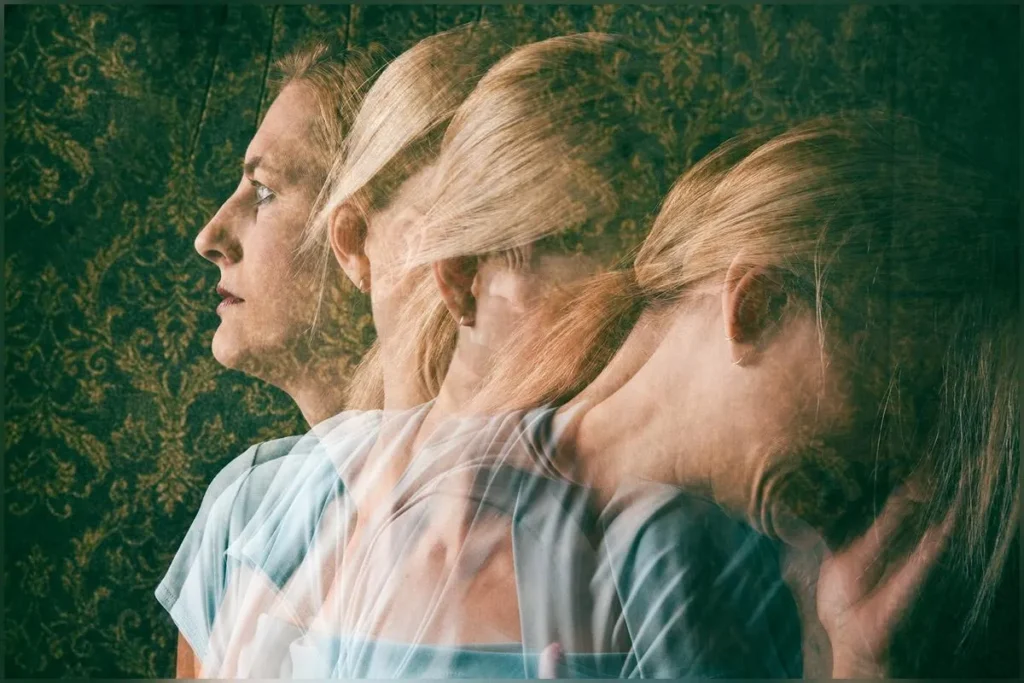
Bipolar disorder is a complex mental health condition. It affects millions worldwide, causing extreme mood swings. These swings can go from manic highs to deep lows.
What Defines Bipolar Disorder
Bipolar disorder impacts mood, energy, and daily functioning. It can make simple tasks hard during mania or depression. This is not just about mood swings; it’s a serious illness needing full treatment.
Bipolar I vs. Bipolar II: Critical Distinctions
Bipolar disorder comes in two main types: Bipolar I and Bipolar II. Bipolar I has manic episodes lasting over a week or mixed episodes. Bipolar II has depressive and hypomanic episodes but no full manic episodes. Knowing these differences is key for correct diagnosis and treatment.
Statistics and Demographics
Bipolar disorder affects about 2.8% of U.S. adults. It’s also common globally. Men and women are equally affected, but men often have more manic episodes. It can start at any age, but usually in late teens or early twenties. Early diagnosis and treatment can greatly improve life for those affected.
It’s important to understand bipolar disorder, its types, and how common it is. By recognizing signs and symptoms, we can help those affected get the help they need. This leads to better management of the condition.
Recognizing 6 Bipolar Signs and Symptoms of Mania
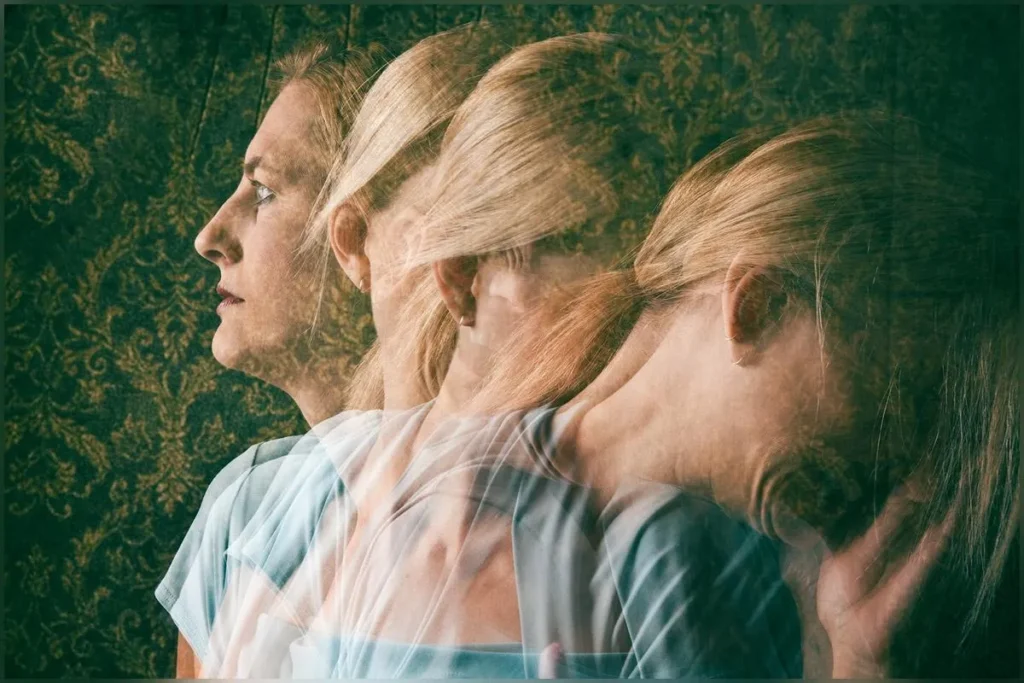
Bipolar mania brings high energy and happiness, but can also cause irritability and risky actions. Mania is a key part of bipolar disorder. It shows differently in each person and disorder type.
Elevated Mood and Unusual Energy Levels
One clear sign of mania is an elevated mood and high energy. People in a manic state might feel very happy or optimistic, for no clear reason.
“I felt like I was on top of the world, like nothing could stop me.” This shows the mood boost of mania. It can make people more active and less tired.
Reduced Need for Sleep Without Fatigue
Mania often means needing less sleep but not feeling tired. This can seem good at first. But, not sleeping enough can make other symptoms worse.
Staying up all night without feeling tired
Engaging in multiple activities simultaneously
Feeling rested after just a few hours of sleep
Racing Thoughts and Pressured Speech
Racing thoughts and pressured speech are common in mania. People might have too many thoughts fast. Their speech can be quick and hard to follow.
Impulsivity and High-Risk Behaviors
Mania can cause impulsive and high-risk behaviors. This includes spending too much, driving recklessly, or taking big risks in sex. These actions can lead to serious problems and regret later.
It’s important to know these signs and symptoms early. If you or someone you know is showing them, getting professional help is key.
Identifying 6 Symptoms of Bipolar Depression
Knowing the symptoms of bipolar depression is key to managing it. This condition causes extreme mood swings, from highs to lows. It’s important to recognize these signs to improve life quality.
Persistent Sadness, Hopelessness, or Emptiness
A common symptom is feeling sad, hopeless, or empty for a long time. This feeling doesn’t go away easily and affects daily life a lot.
Anhedonia: Loss of Interest in Previously Enjoyed Activities
People with bipolar depression often lose interest in things they used to love. This makes it hard to find joy and connect with others.
Disrupted Sleep Patterns
Some people can’t sleep well, while others sleep too much. Both can make them feel very tired and sluggish.
Extreme Fatigue and Energy Depletion
Feeling extremely tired is a big problem. It makes it hard to do everyday tasks, keep up relationships, or work well. This tiredness affects both body and mind.
Other Symptoms
Other symptoms include changes in appetite, trouble focusing, and feeling worthless or guilty. These can change in how bad they are and how often they happen. It’s important to watch for these signs closely.
It’s vital to understand these symptoms to diagnose and manage bipolar depression. Recognizing them helps people get the right help and find ways to deal with their condition.
Conclusion: When to Seek Help for Bipolar Signs and Symptoms
Recognizing the signs of bipolar disorder is the first step. While it’s not curable, it’s treatable. If you or someone you know shows symptoms of mania or depression, seek a healthcare professional.
Understanding bipolar disorder can be tough. But knowing the signs can help you see if you or someone else might be struggling. Ask yourself: am I bipolar? Look for symptoms like feeling overly happy, needing less sleep, and feeling sad all the time.
If you’re worried about your mental health or someone else’s, get help. A healthcare professional can diagnose and suggest treatments. So, how do you know if you have bipolar disorder? It’s about understanding the signs and getting professional help.
Being aware of bipolar disorder signs and seeking help is the first step. It helps you manage your mental health and start a journey towards balance.
FAQ
What are the common signs and symptoms of bipolar disorder?
Bipolar disorder causes big mood swings. You might feel very happy or very sad. During happy times, you might not sleep much, act impulsively, or take risks. When you’re sad, you might feel hopeless and lose interest in things you used to enjoy.
Wat is het verschil tussen Bipolaire stoornis I en Bipolaire stoornis II?
Bipolar I disorder means you’ve had a manic episode. You might also have sad times. Bipolar II is when you’ve had a major depression and a less severe happy episode called hypomania.
Hoe weet ik of ik een bipolaire stoornis heb?
If you swing between feeling very happy and very sad, see a mental health expert. They’ll check your mood swings, health history, and overall well-being. This helps them figure out if you have bipolar disorder.
Can bipolar disorder be cured?
Bipolar disorder is a long-term condition. But, it can be managed with the right treatment. This includes medicine, therapy, and making healthy lifestyle choices. With the right care, people with bipolar disorder can live happy and productive lives.
What are the symptoms of bipolar mania?
Mania symptoms include feeling very happy and having lots of energy. You might not need much sleep, talk fast, and act impulsively. You could also do risky things, like spend too much money or drive recklessly.
How does bipolar depression differ from other forms of depression?
Bipolar depression is part of a bigger condition with mood swings. It can be more severe than regular depression. People with bipolar depression also have episodes of mania or hypomania.
Is bipolar disorder common?
About 2.8% of adults in the U.S. have bipolar disorder. It’s not rare. But, it’s often not diagnosed correctly, so more people might have it than we think.
What are the characteristics of a bipolar episode?
A bipolar episode can be either mania or depression. Mania means feeling very happy and energetic. Depression means feeling sad and hopeless for a long time.
Kan ik een bipolaire stoornis zonder medicatie aanpakken?
Some people with bipolar disorder manage without medicine. But, most need a mix of medicine and therapy. Making healthy choices, like exercising and eating well, can also help.
Referenties
Nationaal Centrum voor Biotechnologie-informatie. Evidence-Based Medisch Inzicht. Opgehaald van https://www.ncbi.nlm.nih.gov/books/NBK558998/[2