
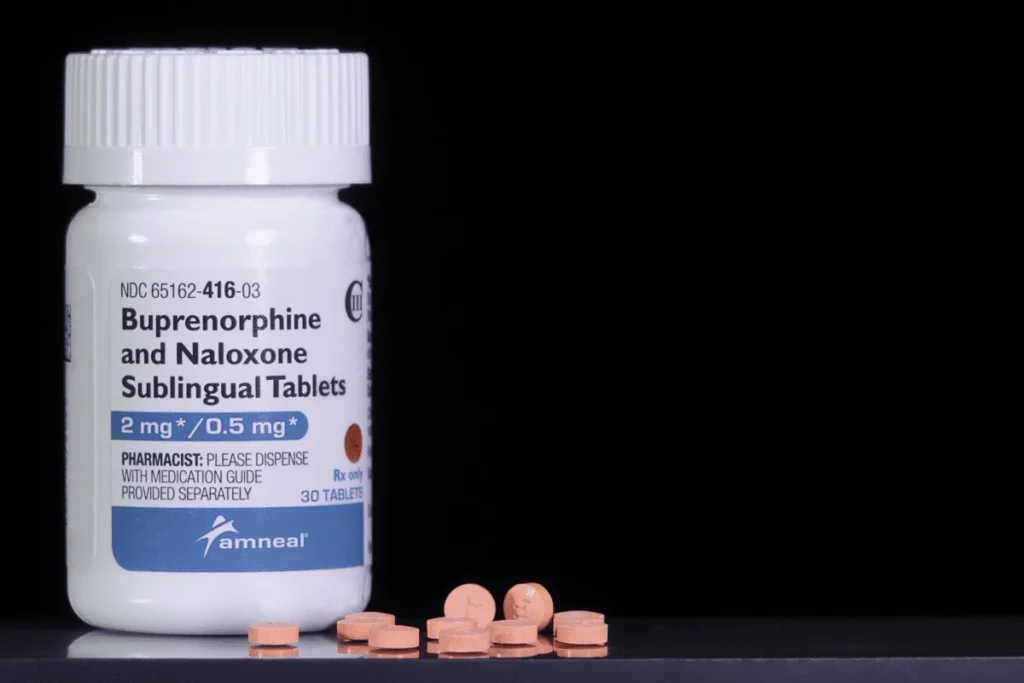
Buprenorphine is changing how we treat opioid addiction and pain. It’s a safer, more effective drug that doctors can prescribe in their offices.
Understand bupe side effects with this critical warning guide. Learn powerful ways to manage painful symptoms and ensure amazing safety.
Buprenorphine is a partial opioid agonist. It works by binding to mu-opioid receptors in the brain. This action produces weaker euphoric effects than full opioid agonists.
This makes it easier to manage cravings and withdrawal symptoms. It helps millions of people recover from opioid addiction.
Op GoldCity Centrum, we see buprenorphine as key to effective treatment. It’s part of a complete plan that includes medication, counseling, and therapy.
Belangrijkste opmerkingen
Buprenorphine is a partial opioid agonist medication approved by the FDA for treating opioid use disorder and managing pain.
It works by binding to mu-opioid receptors in the brain, reducing cravings and withdrawal symptoms.
Buprenorphine produces weaker euphoric effects compared to full opioid agonists, making it a safer alternative.
This medication is a cornerstone of comprehensive treatment for opioid use disorder.
Buprenorphine can be prescribed in physician offices, increasing accessibility.
Understanding Buprenorphine and Its Treatment Applications

Buprenorphine is a special kind of medicine. It helps with opioid use disorder and pain management. It’s known for its effectiveness and comes in different forms.
What Is Buprenorphine and How It Works
Buprenorphine works by binding to opioid receptors in the brain. But it doesn’t fully activate them like heroin or methadone do. This partial activation helps reduce withdrawal symptoms and cravings without causing euphoria.
Buprenorphine’s Mechanism of Action: It attaches to opioid receptors, reducing the effects of other opioids and helping manage withdrawal and cravings.
FDA-Approved Uses for Opioid Use Disorder and Pain
Buprenorphine is approved by the FDA for two main uses. It treats opioid dependence and manages chronic pain. For opioid use disorder, it’s part of medication-assisted treatment (MAT). This includes buprenorphine, counseling, and behavioral therapy.
For chronic pain, buprenorphine is used when other treatments don’t work. It helps manage moderate to severe pain.
Available Formulations and Delivery Methods
Buprenorphine comes in various forms to meet different needs. You can find it as sublingual tablets (like Subutex, Suboxone), buccal films, transdermal patches (such as Butrans), and extended-release injections.
Choosing the Right Formulation: The right buprenorphine formulation depends on the patient’s condition, treatment goals, and past experiences with the drug.
Having many formulations helps healthcare providers customize treatment plans. This makes buprenorphine therapy more effective for each patient.
Bupe Side Effects and Safety Considerations

Buprenorphine, like any medication, has its own side effects and safety concerns. It’s important for patients to know about these to manage opioid use disorder and pain safely and effectively.
Common Side Effects
Common side effects of buprenorphine include headache, nausea, constipation, drowsiness, mouth irritation, and dizziness. These effects are usually mild to moderate and may lessen as the body gets used to the medication.
Headache: A frequent side effect, often manageable with over-the-counter pain relievers.
Nausea: May occur, specially when first starting the medication.
Constipation: Can be mitigated with a high-fiber diet and adequate hydration.
Drowsiness: Patients are advised to avoid operating heavy machinery until they understand how buprenorphine affects them.
Mouth Irritation: Proper oral hygiene can help minimize this issue.
Dizziness: Standing up slowly can help reduce the risk of dizziness.
Serious Adverse Reactions
While less common, serious adverse reactions can occur. These include respiratory depression, liver problems, and heart issues. It’s critical for patients to be monitored regularly by their healthcare provider.
Respiratory Depression: A potentially life-threatening condition, specially when combined with other substances.
Liver Problems: Patients with pre-existing liver conditions should be closely monitored.
Heart Issues: Certain heart conditions may be exacerbated by buprenorphine.
Interacties met geneesmiddelen en contra-indicaties
Buprenorphine can interact with other medications, potentially leading to adverse effects. It’s essential to disclose all medications and supplements to your healthcare provider.
Benzodiazepines: Combining buprenorphine with benzodiazepines can increase the risk of respiratory depression.
Other Opioids: Taking other opioids with buprenorphine can lead to overdose or increased side effects.
Prescription Statistics and Monitoring
The use of buprenorphine is closely monitored due to its misuse risk. Prescription statistics show a growing trend in its use for opioid use disorder treatment.
By understanding the side effects and safety considerations of buprenorphine, patients and healthcare providers can work together to minimize risks and maximize the benefits of treatment.
Conclusie
Buprenorphine treatment is a stable path to recovery for those struggling with opioid use disorder. It helps individuals start their recovery journey with confidence and hope.
Buprenorphine medication is used for managing opioid dependence and chronic pain. It offers relief from long-term pain. Its role in treatment is multifaceted, addressing both physical and emotional aspects of opioid use disorder.
Buprenorphine is a valuable medication for treating opioid use disorder and managing pain. It provides a foundation for reclaiming lives affected by opioid dependence and chronic pain. By using buprenorphine treatment, individuals can promote a future of wellness and resilience.
Ultimately, buprenorphine treatment represents a personal evolution. It elevates the individual’s understanding and confidence in their journey towards recovery and well-being.
FAQ
What is buprenorphine?
Buprenorphine is a medication for opioid use disorder and chronic pain. It’s a partial opioid agonist. This means it binds to opioid receptors but has a lower risk of overdose and dependency.
How does buprenorphine work?
Buprenorphine binds to opioid receptors in the brain. It reduces withdrawal symptoms and cravings for opioids. Its partial agonist effect makes it safer than full opioid agonists.
What is the difference between Subutex and Suboxone?
Subutex and Suboxone are both buprenorphine formulations. Subutex has only buprenorphine. Suboxone has buprenorphine and naloxone, an opioid antagonist to prevent misuse.
Is buprenorphine a narcotic?
Yes, buprenorphine is a partial opioid agonist, a type of narcotic. But it’s safer than full opioid agonists because of its lower risk of overdose and dependency.
What are the common side effects of buprenorphine?
Common side effects include nausea, headache, constipation, and drowsiness. These are usually mild and temporary. But, tell your healthcare provider if they last or get worse.
Can buprenorphine be used for pain management?
Yes, buprenorphine is FDA-approved for pain management, like chronic pain. It works by binding to opioid receptors, providing relief.
How is buprenorphine administered?
Buprenorphine comes in sublingual tablets, films, and transdermal patches. The choice depends on individual needs and preferences, and the condition being treated.
What are the serious adverse reactions associated with buprenorphine?
Serious reactions include respiratory depression, overdose, and allergic reactions. Seek medical help right away if you experience any of these symptoms.
Can buprenorphine interact with other medications?
Yes, buprenorphine can interact with medications like benzodiazepines, antidepressants, and certain antibiotics. Always tell your healthcare provider about all medications you’re taking.
Is buprenorphine safe for long-term use?
Buprenorphine can be safe for long-term use under a healthcare provider’s monitoring. Regular check-ups help minimize risks and ensure effective treatment.
Referentie
Nationaal Centrum voor Biotechnologie-informatie. Evidence-Based Medisch Inzicht. Opgehaald van https://www.ncbi.nlm.nih.gov/books/NBK459126/