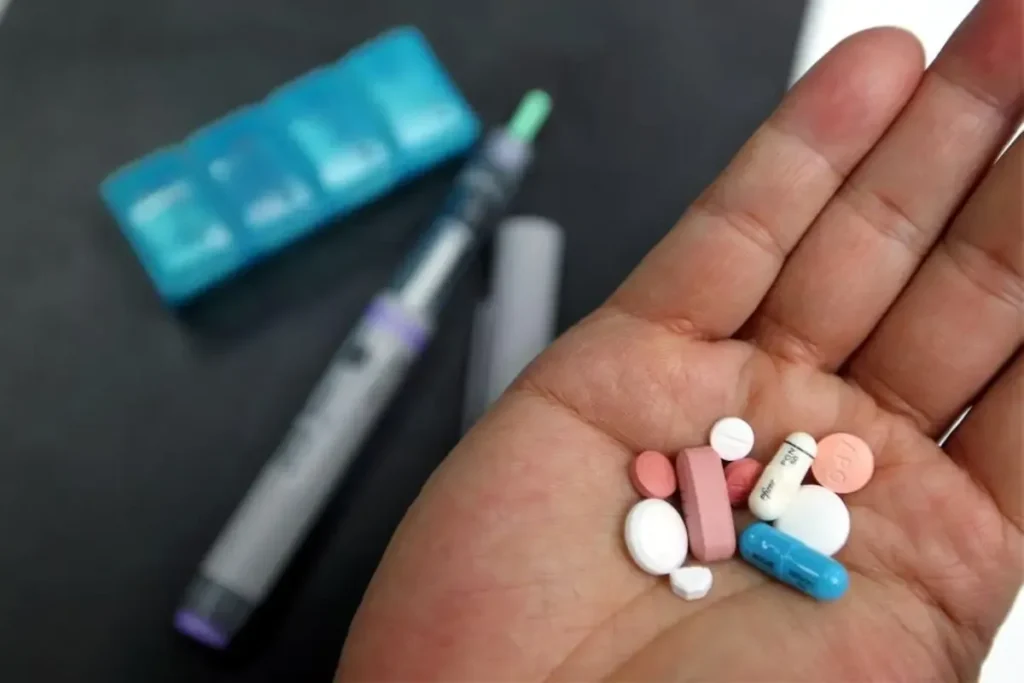
Buprenorphine hydrochloride is a new way to treat opioid addiction and chronic pain. It’s a safer choice than full opioids because it only partially works on opioid receptors.
For those fighting opioid addiction, buprenorphine hydrochloride is a game-changer. It greatly lowers the chance of overdose. GoldCity Centrum offers top-notch care, combining the latest meds with full treatment plans.
It’s key to know how buprenorphine hydrochloride works. This knowledge helps doctors and patients make better choices about treatment.
Belangrijkste opmerkingen
Buprenorphine hydrochloride is a semisynthetic opioid derivative used for treating opioid dependence and chronic pain.
It works as a partial mu-opioid receptor agonist, reducing the risk of overdose.
GoldCity Center offers a full range of treatment options, including buprenorphine hydrochloride.
The medication is available by prescription from a doctor.
Buprenorphine hydrochloride provides a safer alternative to full opioids.
Understanding Buprenorphine Hydrochloride: Definition and Classification
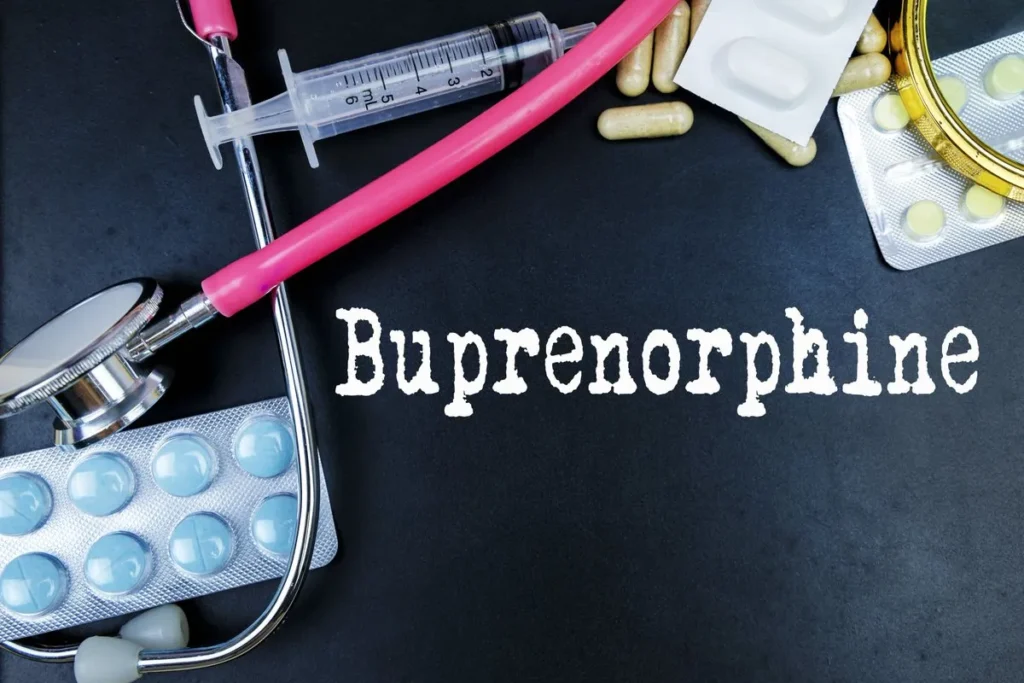
Buprenorphine hydrochloride is a special drug made from thebaine. It works differently than other opioids because it’s a partial agonist at opioid receptors. This makes it useful for treating opioid addiction.
Chemical Structure and Properties
Buprenorphine comes from thebaine, a part of opium. Its unique chemical structure affects how it works in the body. It acts as a partial agonist at mu-opioid receptors and an antagonist at kappa-opioid receptors. This dual action is key for its use in buprenorphine treatment.
Comparison to Full Opioid Agonists
Buprenorphine hydrochloride is different from full opioid agonists like morphine or methadone. It’s a partial agonist at mu-opioid receptors. This means it has a ceiling effect on opioid activity, lowering the risk of overdose and addiction. The main differences are:
Lower risk of respiratory depression
Reduced chance of abuse
Milder withdrawal symptoms
The buprenorphine classification as a partial agonist highlights its safety and benefits. It’s a vital drug for treating opioid dependence.
The History and Development of Buprenorphine Hydrochloride
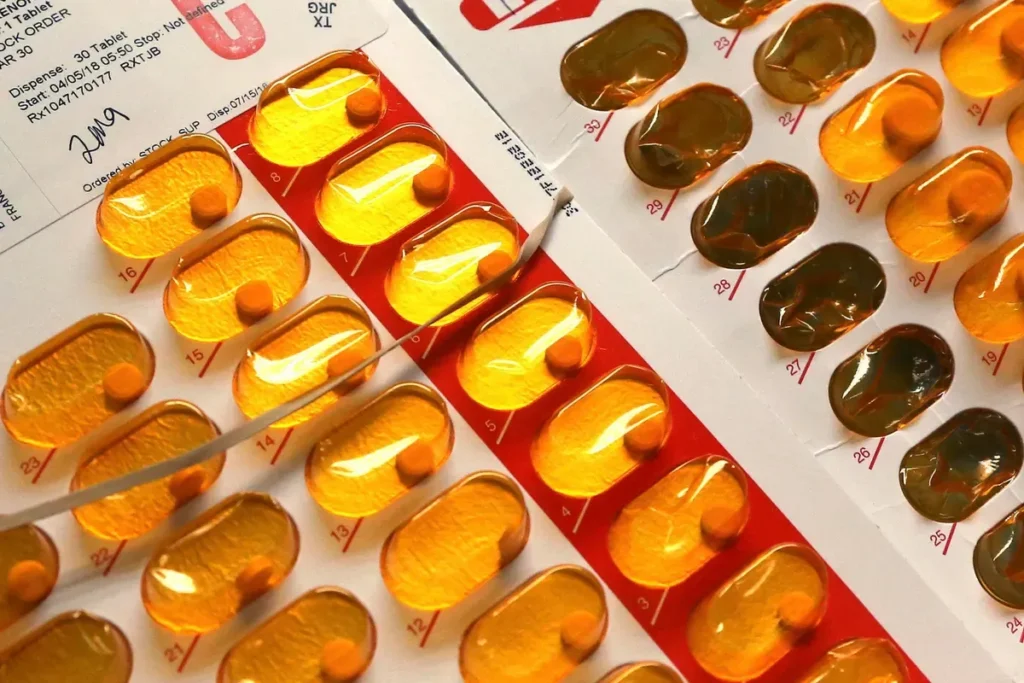
The story of buprenorphine hydrochloride shows how medicine keeps getting better. It has changed a lot over the years. Now, it’s key in fighting opioid addiction and helping with pain.
Discovery and Patent History
Buprenorphine was first patented in 1965. This was a big step in its journey. The discovery of buprenorphine was a result of ongoing efforts to develop new analgesics with improved safety profiles. It has been studied a lot, helping us understand how it works and its uses.
FDA Approval Timeline
In 1981, the FDA first approved buprenorphine for pain. But it wasn’t until 2002 that it was okayed for opioid use disorder. This dual approval shows buprenorphine’s value in treating pain and addiction. The FDA’s approval shows it’s safe and works well.
Prescription Statistics in the United States
In 2020, buprenorphine was the 186th most prescribed drug in the U.S. This shows it’s used a lot in treating opioid addiction. The stats show buprenorphine is key in fighting the opioid crisis. It’s an important part of treatment as the crisis grows.
The history of buprenorphine hydrochloride shows its flexibility and the ongoing fight against opioid addiction and pain. As medicine keeps getting better, buprenorphine will keep being a big part of treatment.
How Buprenorphine Hydrochloride Works in the Body
Buprenorphine hydrochloride is a partial opioid agonist. It attaches to opioid receptors in the brain. This action helps manage opioid dependence without the full effects of opioids.
Mechanism of Action on Opioid Receptors
Buprenorphine hydrochloride binds to opioid receptors in the brain. It targets the mu-opioid receptors. Unlike full opioid agonists, it only partially activates these receptors.
This partial activation reduces withdrawal symptoms and cravings. It also prevents significant euphoria or respiratory depression.
The partial agonist activity of buprenorphine hydrochloride is key. It lowers the risk of overdose and dependency compared to full opioid agonists.
The Ceiling Effect: Safety Advantages
Buprenorphine hydrochloride has a “ceiling effect.” This means that beyond a certain dose, it doesn’t increase its opioid effects. This safety feature limits misuse and reduces overdose risk.
Brand Names and Formulations
Buprenorphine hydrochloride is known by various brand names. Subutex and Suboxone are well-known. Suboxone combines buprenorphine with naloxone to prevent injection misuse.
It comes in different forms, like sublingual tablets and transdermal patches. Sublingual tablets dissolve under the tongue. Transdermal patches release the medication over time.
Administration Methods
The way buprenorphine hydrochloride is given depends on the form. Sublingual tablets are common for treating opioid dependence. Transdermal patches are used for chronic pain.
The goal is to maintain a stable therapeutic level of the medication. This helps manage withdrawal symptoms and cravings effectively.
Conclusion: Clinical Significance and Future Directions
Buprenorphine hydrochloride, known as Subutex and Butrans, is key in treating opioid dependence and pain. It shows great promise in reducing opioid use and improving treatment results.
Its unique action on opioid receptors and the ceiling effect make it safe and effective. Ongoing research aims to find new ways to use buprenorphine, leading to better management of opioid use disorder.
Looking ahead, we might see new delivery systems and more uses for buprenorphine. This research will help us understand its benefits better and use it more effectively in healthcare.
FAQ
What is buprenorphine hydrochloride?
Buprenorphine hydrochloride is a medication for treating opioid addiction and pain. It works differently than full opioid drugs like heroin and methadone.
Is buprenorphine a narcotic?
Buprenorphine is an opioid drug but not a full narcotic. It binds to opioid receptors but doesn’t activate them as much as full agonists.
Waar wordt buprenorfine voor gebruikt?
Buprenorphine helps treat opioid addiction and manage pain. It reduces withdrawal symptoms and cravings in opioid addicts.
How does buprenorphine work?
Buprenorphine binds to opioid receptors in the brain. This reduces withdrawal symptoms and cravings. It also has a ceiling effect, preventing overdose risk.
What is the difference between buprenorphine and Subutex?
Subutex is a brand name for buprenorphine used for opioid addiction treatment. Buprenorphine is also found in Suboxone, which includes naloxone.
Is buprenorphine the same as burphorine or bupe?
Yes, buprenorphine is also known as burphorine or bupe. These names are informal, but buprenorphine is the official term.
What are the brand names for buprenorphine?
Common brand names for buprenorphine include Subutex, Suboxone, and Butrans. These may contain buprenorphine alone or with naloxone.
How is buprenorphine administered?
Buprenorphine comes in tablets, films, and patches. The choice depends on the individual’s treatment needs and medical history.
What is the ceiling effect of buprenorphine?
The ceiling effect means taking more than the dose won’t increase its effect. This makes buprenorphine safer for those at risk of opioid misuse.
Referenties
Nationaal Centrum voor Biotechnologie-informatie. Evidence-Based Medisch Inzicht. Opgehaald van https://pubmed.ncbi.nlm.nih.gov/16956107/