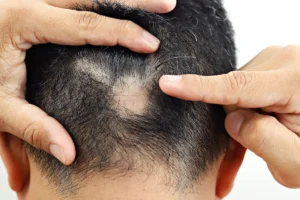
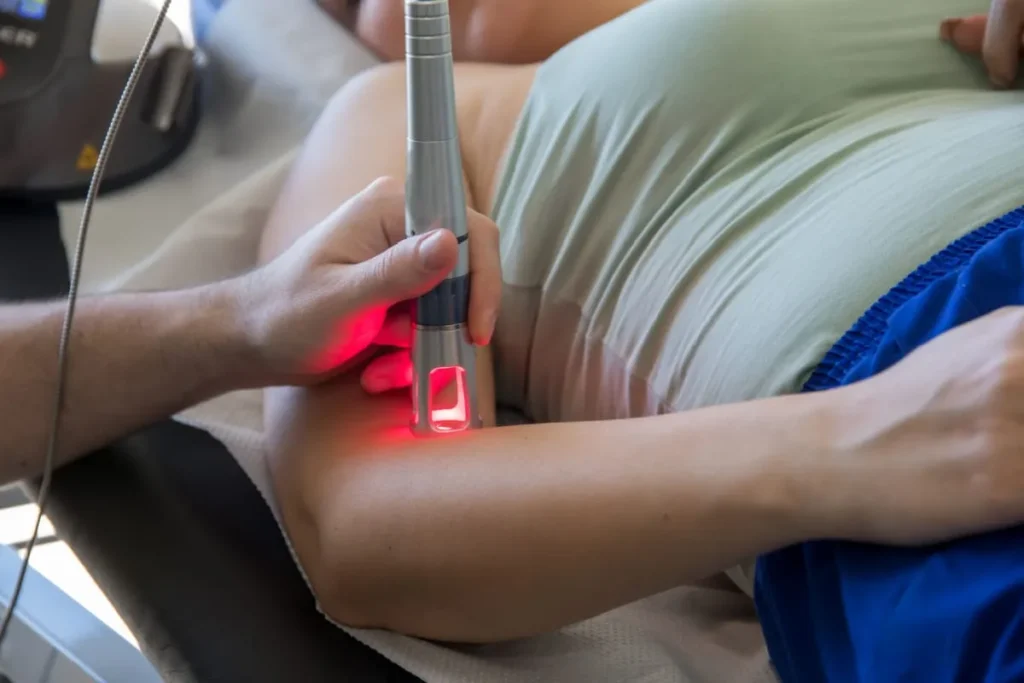
Hidradenitis suppurativa (HS) is a chronic skin condition. It causes painful abscesses and nodules. This greatly affects a patient’s quality of life. CO2 laser therapy is a highly effective treatment for HS. It works best for moderate to severe cases that don’t respond to usual treatments.
This therapy uses a carbon dioxide laser treatment. It’s a precise and minimally invasive way to remove affected tissue. This reduces symptom severity and improves patient outcomes. For more detailed information on this treatment, visit CO2 Laser Treatment for Hidradenitis Suppurativa.
Belangrijkste opmerkingen
CO2 laser therapy is effective for treating moderate to severe HS.
It offers a precise and minimally invasive approach.
Improves patient outcomes by reducing symptom severity.
Can be used when conventional treatments fail.
Visit our resource page for more information on CO2 laser treatment.
Understanding Hidradenitis Suppurativa and Treatment Options

For those with hidradenitis suppurativa, knowing about the condition and treatments is key. Hidradenitis suppurativa (HS) is a chronic skin issue. It causes recurring abscesses and nodules, mainly in areas with apocrine glands.
What is Hidradenitis Suppurativa?
Hidradenitis suppurativa greatly affects patients’ lives. The cause is not fully known but involves genetics, hormones, and immune issues. Symptoms can be mild or severe, including painful lesions and tunnels under the skin.
Limitations of Conventional Treatments
Current treatments for HS mainly aim to manage symptoms. They include antibiotics, pain meds, and lifestyle changes. Yet, these methods have their downsides:
They only offer temporary relief
Lesions and abscesses may not fully clear
Long-term use can lead to side effects
This shows the need for better, lasting treatments.
Benefits of Advanced Surgical Approaches
Advanced surgeries, like CO2 laser therapy, are a new hope for HS. They offer:
Knowing the pros and cons of treatments helps patients and doctors choose the best care for HS.
CO2 Laser Therapy: Clinical Evidence and Effectiveness
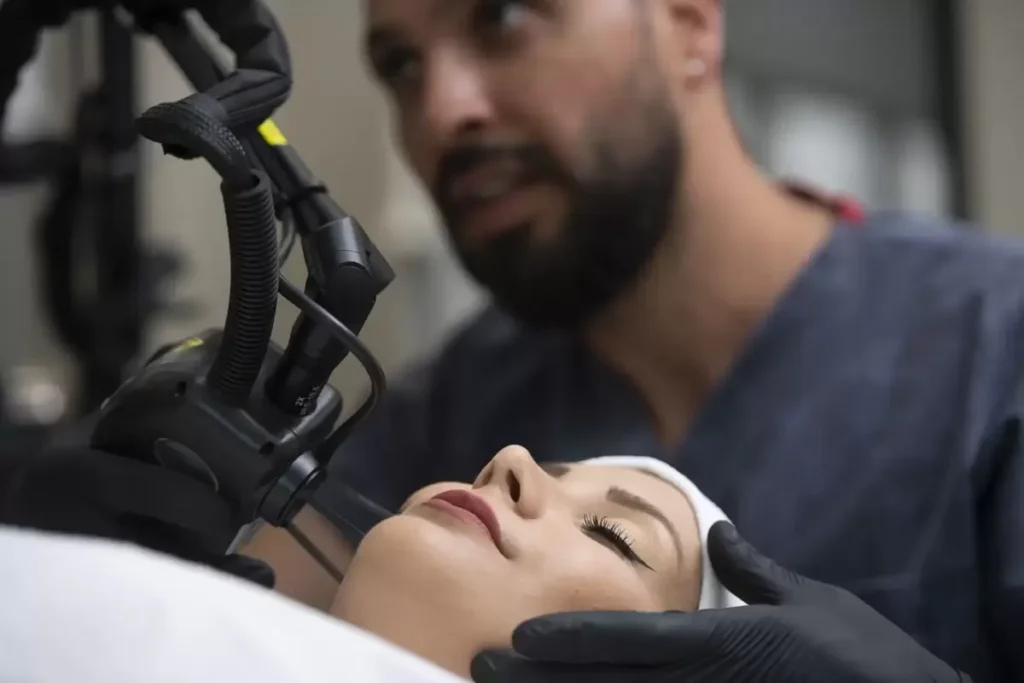
CO2 laser therapy is a new way to treat Hidradenitis Suppurativa (HS). It has strong clinical evidence supporting its use. This method is getting a lot of attention in the field of dermatology because of its good results in treating HS symptoms.
Research-Backed Results
Many studies have shown that CO2 laser therapy works well for HS. Research-backed results show big improvements in symptoms and quality of life for those who get this treatment. For example, a study in the Journal of Dermatological Treatment found a big drop in HS severity scores after using CO2 laser therapy.
The efficacy of CO2 laser therapy comes from its ability to target and remove bad tissue. This leads to healthier skin growing back. It not only helps with current symptoms but also helps prevent future problems.
Comparison to Traditional Surgical Methods
CO2 laser therapy has many benefits over traditional surgery for HS. Lower recurrence rates and better long-term results make it a top choice for treating moderate to severe HS. It’s less invasive and has fewer risks compared to traditional surgery.
Recurrence Rates and Long-Term Outcomes
The long-term benefits of CO2 laser therapy are a big reason it’s popular for HS. Studies show it gives quick relief and keeps benefits going over time. It has lower recurrence rates than traditional treatments.
In summary, CO2 laser therapy is a big step forward in treating Hidradenitis Suppurativa. It’s backed by strong evidence and research. As more studies confirm its benefits, it will become a key tool in managing HS.
The CO2 Laser Therapy Procedure for HS Treatment
The CO2 laser therapy is a modern treatment for Hidradenitis Suppurativa. It offers a highly effective way to manage the condition. This method has become popular because it is precise and minimally invasive.
Patient Evaluation and Preparation
Before starting CO2 laser therapy, a detailed patient evaluation is done. This helps determine the disease’s extent and the best treatment plan. The evaluation includes a medical history, physical exam, and sometimes imaging studies.
Preparation is key for a successful treatment. Patients are given instructions on pre-procedure care. This may include avoiding certain medications and keeping the affected area clean.
Step-by-Step Treatment Process
The CO2 laser therapy procedure is carefully planned and executed. It starts with local anesthesia to ensure comfort during the treatment.
The CO2 laser is then applied to the affected areas. Techniques like excision, marsupialization, and deroofing are used to remove diseased tissue. This promotes healing and minimizes damage to healthy tissue.
Surgical Techniques: Excision, Marsupialization, and Deroofing
The CO2 laser therapy uses different surgical techniques to treat Hidradenitis Suppurativa. Excision removes the affected tissue. Marsupialization removes the roof of abscesses or tunnels and sutures the edges. Deroofing removes the top layer of affected tissue, promoting healing from the inside out.
Excision is used for removing diseased tissue.
Marsupialization helps in managing larger abscesses.
Deroofing promotes healing by removing the top layer of affected tissue.
Each technique is chosen based on the patient’s condition. This ensures a treatment plan tailored to their needs.
Recovery and Post-Treatment Care
After CO2 laser therapy for Hidradenitis Suppurativa, patients can expect a quick recovery. Most people return to their normal activities in a few weeks. It’s important to follow proper post-treatment care to heal well and avoid complications.
Follow your healthcare provider’s advice on wound care, pain management, and follow-up visits. You might need to apply petroleum jelly or antibacterial cream to the treated area. Also, using an ice pack can help reduce swelling.
For CO2 laser healing, keep the treated area clean and covered with a bandage. Change it often throughout the day. Avoid saunas, swimming pools, and hot tubs for 1-2 weeks after treatment. Don’t shave over the treated area.
Also, stay away from the sun until the area heals completely. Use a mineral sunscreen SPF 30+ or wear protective clothing outside. By following these steps, patients can have a smooth hs surgery recovery time and the best results from their laser treatment co2.
FAQ
What is CO2 laser therapy, and how is it used to treat hidradenitis suppurativa?
CO2 laser therapy is a treatment that uses a laser to remove bad tissue. It helps lessen symptoms and improves life for those with hidradenitis suppurativa.
How effective is CO2 laser therapy in treating hidradenitis suppurativa compared to traditional surgical methods?
CO2 laser therapy works well for hidradenitis suppurativa. It has fewer problems coming back and better long-term results than old surgery methods.
What is the CO2 laser therapy procedure for HS treatment like?
First, a doctor checks the patient. Then, the laser is used on the bad spots. This removes the sick tissue and helps the area heal.
What can I expect during the recovery process after CO2 laser therapy for HS?
After the treatment, recovery is quick. Most people can go back to normal in a few weeks. It’s important to follow the doctor’s care advice to heal well and avoid problems.
How can I minimize complications and promote healing after CO2 laser therapy?
To heal well, follow the doctor’s advice on wound care, pain, and check-ups.
Is CO2 laser therapy suitable for all stages of hidradenitis suppurativa?
CO2 laser therapy works best for those with moderate to severe HS who didn’t get better with other treatments.
How long does it take to see the full benefits of CO2 laser therapy for HS?
The full benefits of CO2 laser therapy for HS are seen after recovery. Patients see big improvements in symptoms and life quality.
Can CO2 laser therapy be used in conjunction with other treatments for hidradenitis suppurativa?
Yes, CO2 laser therapy can be used with other treatments. A doctor will decide the best plan for each case.
What are the advantages of CO2 laser therapy over other surgical approaches for HS?
CO2 laser therapy is precise and less invasive. It reduces symptoms and improves outcomes. It also has lower recurrence rates and better long-term results.
How does CO2 laser therapy impact the recurrence of hidradenitis suppurativa?
CO2 laser therapy has lower recurrence rates than traditional surgery. It’s a top choice for treating moderate to severe HS.
Referenties
Nationaal Centrum voor Biotechnologie-informatie. Evidence-Based Medisch Inzicht. Opgehaald van https://pmc.ncbi.nlm.nih.gov/articles/PMC12609277/