

It’s important to know about cocaine withdrawal for those trying to stop using. When someone who is addicted to cocaine stops using it, they face tough symptoms.
Start cocaine detox with our successful recovery guide. Use powerful medical tips to stop painful cravings and achieve amazing gezondheid.
Cocaine withdrawal happens when someone who uses cocaine a lot stops or uses less. Even if they’re not completely off cocaine, they can start to feel symptoms.
These symptoms can be strong cravings, feeling sad, anxious, and having trouble controlling emotions. It makes it hard to stop using cocaine at first. Doctors need to know these symptoms to help treat and support people.
Belangrijkste opmerkingen
Understanding cocaine withdrawal is vital for recovery.
Symptoms occur when use is significantly reduced or stopped.
Cravings, depression, and anxiety are common symptoms.
Effective treatment requires recognizing these symptoms.
Support is key for those going through withdrawal.
Understanding Cocaine Withdrawal
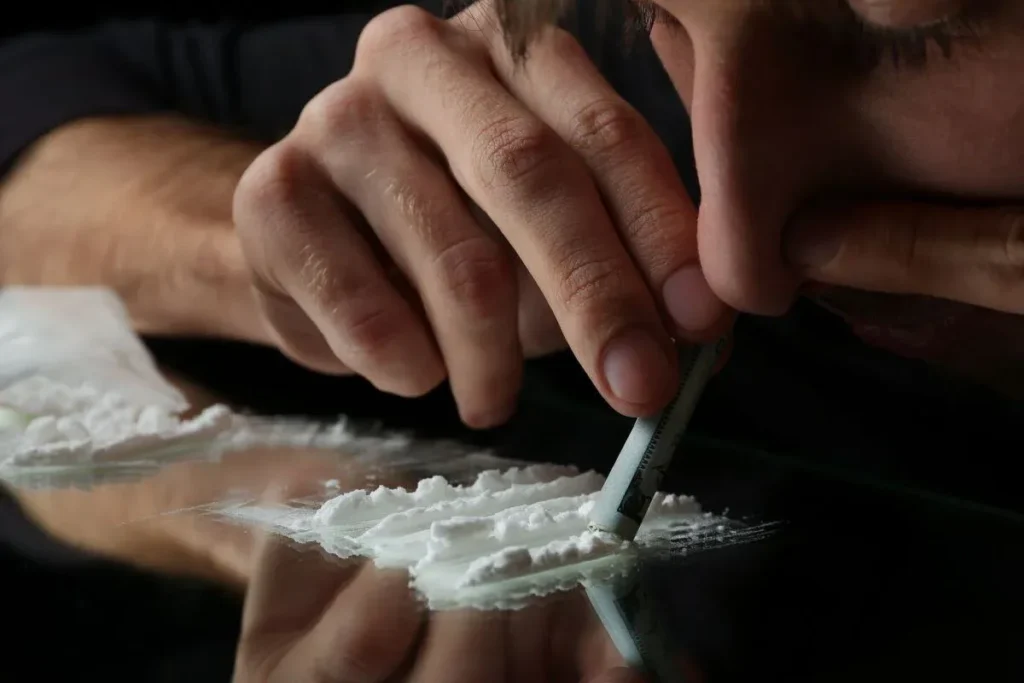
Cocaine withdrawal affects people in different ways. It’s important to know why it happens and who is at risk.
Causes of Cocaine Withdrawal
Cocaine makes the brain release more dopamine, which feels good. When you stop using cocaine, your brain has trouble balancing these chemicals. This leads to withdrawal symptoms.
The brain reacts strongly when cocaine is no longer present. This can cause physical and mental symptoms. Knowing how this happens helps us understand withdrawal better.
Prevalence and Risk Factors
Cocaine withdrawal is a big problem worldwide. About 0.35 percent of adults have it, with North America having a high rate. Many things can increase your risk, like how often you use cocaine and your health.
For more information on cocaine withdrawal and treatment, visit American Addiction Centers.
Physical Symptoms of Cocaine Withdrawal

Cocaine withdrawal brings many physical symptoms that are hard to deal with. When the body stops getting cocaine, it reacts in many ways. These reactions show that withdrawal has started.
Early Physical Manifestations
The first signs of cocaine withdrawal are intense physical symptoms. These can include:
Fatigue and lethargy
Increased appetite
Sleep disturbances, including insomnia or vivid dreams
Physical agitation or restlessness
These early signs can be tough because they affect how you feel physically. It’s important to know these symptoms are part of the withdrawal process. They usually don’t last forever.
Somatic Symptoms and Changes
As withdrawal goes on, people may face more somatic symptoms. These can include:
It’s key to understand these somatic symptoms to manage withdrawal well. By knowing the physical and emotional challenges, people can prepare for what’s ahead.
The physical symptoms of cocaine withdrawal are tough but are a big step towards recovery. With the right support and understanding, people can get through these symptoms. They can then move towards a healthier, cocaine-free life.
Psychological Impact During Cocaine Detox
The psychological effects of cocaine detox are deep and complex. They touch many areas of a person’s life as they face withdrawal challenges.
Studies show two main types of symptoms during cocaine withdrawal. These are depressive symptoms and somatic symptoms. Depressive symptoms include emotional and mental challenges.
Depressive Symptoms
Depressive symptoms during cocaine withdrawal can show up as depressed mood, psychomotor agitation, psychomotor retardation, insomnia, and vivid dreams. These symptoms can make it hard to feel good and to do everyday things.
Depressed mood can make people feel hopeless and sad.
Psychomotor agitation or retardation can mess with physical activity and coordination.
Insomnia and vivid dreams can mess up sleep, making feelings of sadness worse.
Anxiety and Sleep Disturbances
Anxiety is a big part of the psychological impact during cocaine detox. People may feel intense cravings for cocaine, along with anxiety and restlessness. Sleep problems, like insomnia, are common and can make recovery harder.
For more info on managing cocaine withdrawal symptoms, visit MedlinePlus.
Conclusie
Understanding cocaine withdrawal is key for those fighting addiction. The symptoms of withdrawal from cocaine are different from other drugs. They affect both the mind and body.
The signs of cocaine withdrawal can be tough, but they usually get better with time. If the symptoms are very bad, staying in a treatment center might be suggested. These centers use medicine to help with the symptoms and offer counseling for support.
Knowing the signs of cocaine withdrawal is the first step to getting better. By facing these challenges, people can prepare for their recovery journey.
With the right help and support, overcoming cocaine withdrawal is possible. Getting the right care and advice is vital for beating addiction. It leads to a healthier, more balanced life.
FAQ
What are the common symptoms of cocaine withdrawal?
Symptoms include depression, anxiety, and feeling very tired. People may also have physical issues like shaking, muscle pain, and changes in appetite or sleep.
How long do cocaine withdrawal symptoms last?
Symptoms can last from 1-2 weeks. But, feelings of sadness and strong cravings can last longer, sometimes months.
What causes the psychological symptoms during cocaine withdrawal?
Cocaine messes with the brain’s reward system and neurotransmitters, like dopamine. Stopping cocaine use disrupts this, causing feelings of sadness, anxiety, and cravings as the brain adjusts.
Are there any medical treatments available for managing cocaine withdrawal symptoms?
There’s no FDA-approved medicine for cocaine withdrawal. But, doctors might use antidepressants for sadness and anti-anxiety meds for anxiety. Behavioral therapies are also key for managing symptoms and recovery.
How can individuals cope with the physical symptoms of cocaine withdrawal?
To cope, get medical help, rest, drink plenty of water, and eat well. Doctors might give medicines for specific symptoms. Eating right and exercising can also help with physical discomfort.
What are the risk factors associated with cocaine withdrawal?
Risks include how long and how much you used cocaine, your health, mental health issues, and past withdrawal experiences. Those who used cocaine a lot are at higher risk for severe symptoms.
Can cocaine withdrawal be life-threatening?
Yes, severe withdrawal can be dangerous, even life-threatening. This is more likely for those with health problems or extreme mental distress. Always get medical help during withdrawal.
What support is available for individuals undergoing cocaine withdrawal?
Support includes detox programs, counseling, therapy, and support groups. These help manage symptoms and support recovery in the long run.
Referenties
Nationaal Centrum voor Biotechnologie-informatie. Evidence-Based Medisch Inzicht. Opgehaald van https://www.ncbi.nlm.nih.gov/books/NBK519704/