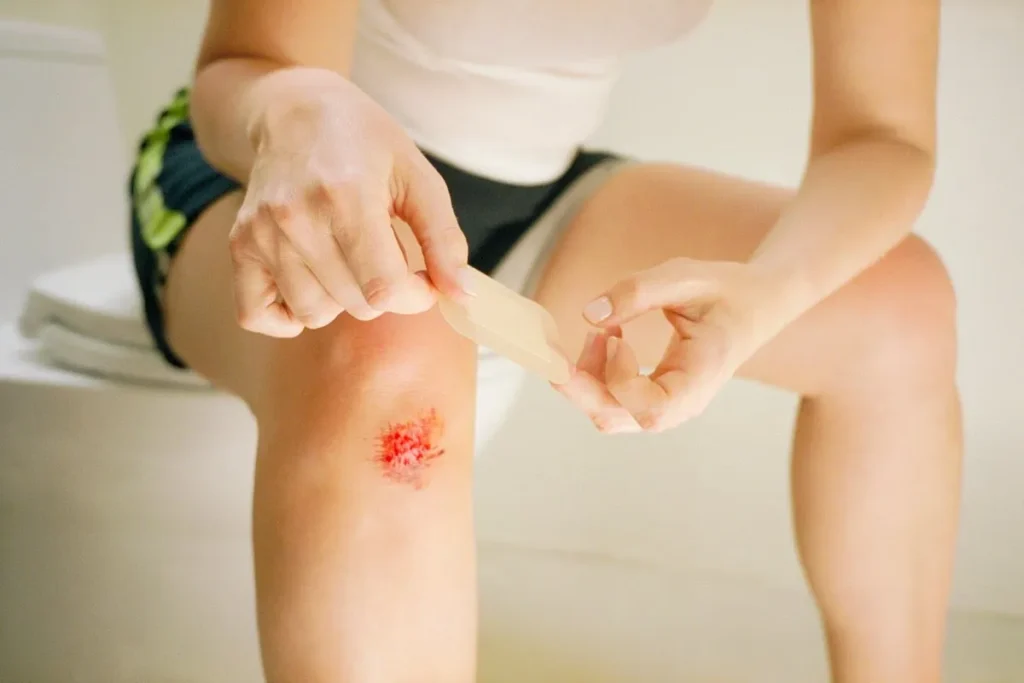
Did you know your body starts healing a cut right after it happens? It sets off a series of amazing processes. Taking good care of your wound can really speed up this healing, cutting down recovery time by weeks.
At GoldCity Center, we use the latest medical methods and focus on our patients to help wounds heal better. Knowing how to care for a cut and using proven ways can greatly improve your recovery.
The body goes through four main stages when healing a wound: hemostasis, inflammation, proliferation, and remodeling. Learning about these stages helps you support your body’s natural healing.
Belangrijkste opmerkingen
Proper wound care accelerates the natural healing process.
The body follows a four-stage wound healing sequence.
Understanding wound healing stages is key for recovery.
Cutting-edge medical protocols support optimal wound healing.
Patient-centered care boosts recovery results.
Understanding the Cut Healing Process
When a cut happens, the body starts a healing process. This process has many stages that work together. They help fix the skin and make it work right again.
Hemostasis and Inflammation Stages
The first step is hemostasis, right after the injury. Blood vessels shrink to stop blood flow. Platelets form a clot to stop bleeding. This is key for healing to start.
The next step is inflammation, starting hours after the injury. It lasts for days. It brings redness, swelling, and warmth. This stage fights off bacteria and gets the wound ready for repair.
Proliferation and Remodeling Phases
The proliferation phase comes next, lasting about 3 weeks. The body makes new tissue and blood vessels. This is important for filling the wound.
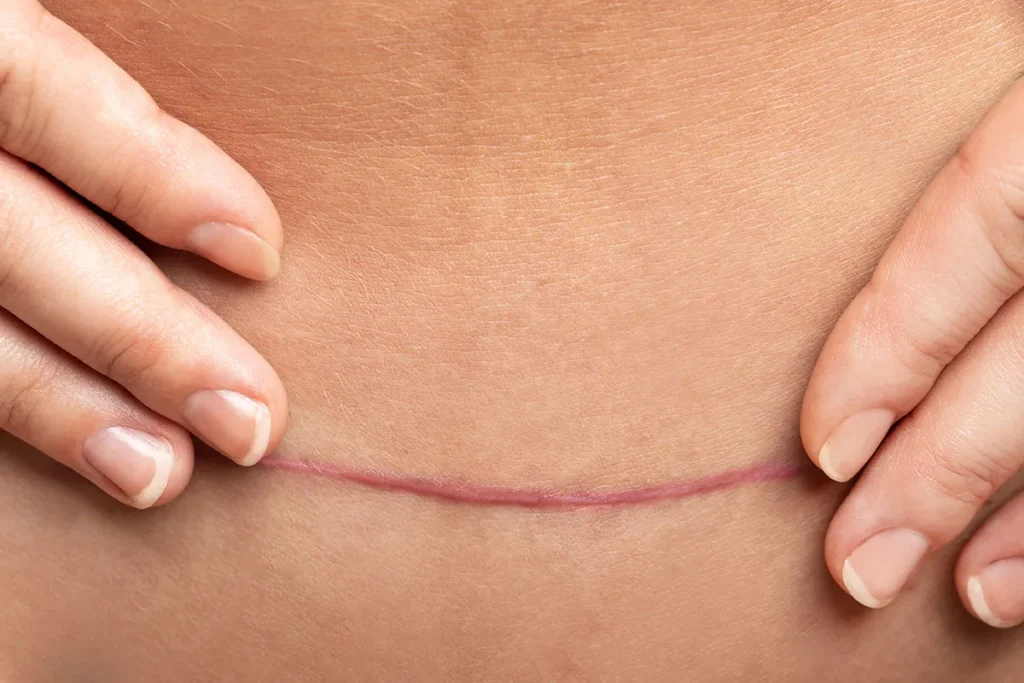
The last stage is remodeling, lasting months to years. It makes the new tissue stronger. The scar gets better, but it won’t be as strong as before.
The healing of cuts is complex. Here are the main stages:
Hemostasis: Immediate response to injury, involving blood vessel constriction and clot formation.
Inflammation: Defensive response to prevent infection and clean the wound site.
Proliferation: Creation of new tissue and blood vessels to fill the wound.
Remodeling: Reorganization and strengthening of the new tissue.
Knowing these stages helps in caring for cuts. It ensures they heal well and reduces the chance of problems.
Essential Steps 1-2 to Accelerate Healing
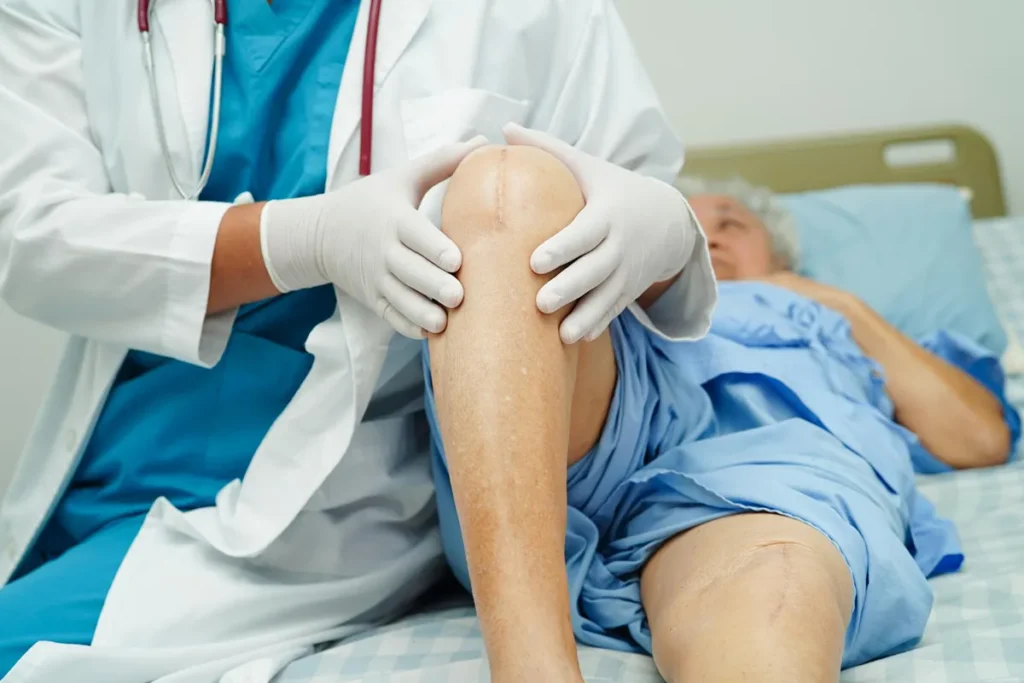
The journey to healed skin starts with good wound care. Cleaning and dressing a wound right can help it heal faster. It also lowers the chance of problems and speeds up recovery.
Step 1: Clean and Disinfect the Wound
Cleaning the wound is key to healing. Rinse it gently with clean water and mild soap. Remove any dirt or bacteria. Healthline says cleaning well stops infections and helps the body heal.
Gently rinse the wound with clean water to remove any debris.
Use mild soap around the wound, avoiding harsh chemicals.
Pat the area dry with a clean towel.
Step 2: Apply Appropriate Dressings
After cleaning, the right dressing is next. It should protect the wound and keep it moist. Choosing the right dressing can make a big difference in healing.
Select a dressing that is breathable and maintains moisture.
Change the dressing regularly to keep the wound clean.
Monitor the wound for signs of infection or complications.
By following these steps, you can help a deep cut or back wound heal faster. This leads to healed skin sooner.
Essential Steps 3-5 for Optimal Recovery
The last steps in healing a wound are just as important as the first. You need to protect your wound, support your body’s healing, and watch for any complications. This ensures you recover well.
Step 3: Protect the Wound from Further Damage
Keeping your wound safe from harm is key to healing. Use bandages or dressings to protect it from the outside. Also, avoid activities that might hurt the wound area.
Key measures to protect your wound include:
Using appropriate protective gear like bandages or dressings
Avoiding strenuous activities that could re-injure the wound
Keeping the wound area clean and dry
Step 4: Support Your Body’s Natural Healing
Helping your body heal is vital for good wound recovery. Eating a balanced diet with protein, vitamin C, and zinc helps a lot. Also, getting enough rest and staying hydrated helps your body heal faster.
Nutritional elements that support wound healing include:
Protein-rich foods to support tissue repair
Foods high in vitamin C to boost collagen production
Zinc-rich foods to support immune function
Step 5: Monitor and Address Complications
Watching your wound for signs of trouble is important. Look out for redness, swelling, or pus. If you see these, get medical help right away.
Signs of possible complications to watch for:
Increased redness or swelling around the wound
Pus or discharge from the wound
Fever or chills
Conclusie
Knowing how cuts heal is key to quick recovery. By following important steps, you help your body heal faster. Cuts go through stages like stopping bleeding, getting inflamed, growing new tissue, and fixing itself.
To help wounds heal quicker, keep them clean and moist. Also, protect them from more harm. This supports your body’s healing. For more details, check out the National Center for Biotechnology Information.
By managing your wound healing, you lower the chance of problems. With the right steps, you can make your body heal better. This leads to a healthier, brighter you.
FAQ
What are the stages of wound healing?
Wound healing has four stages: hemostasis, inflammation, proliferation, and remodeling. Knowing these stages helps manage wounds properly.
How long does the inflammatory phase last?
The inflammatory phase starts within hours and lasts 2 to 5 days. It’s marked by redness, swelling, and white blood cells fighting off bacteria.
What happens during the proliferation stage?
In the proliferation stage, which lasts about 3 weeks, the body makes new tissue. It also forms new blood vessels through angiogenesis.
How can I support my body’s natural healing process?
To help your body heal, eat a balanced diet. Include foods rich in protein, vitamin C, and zinc.
What are the signs of infection that I should monitor for?
Watch for increased redness, swelling, or pus. If you see these signs, get medical help right away.
How can I protect my wound from further damage?
Keep your wound safe by using protective gear. Also, avoid activities that could hurt the wound again.
What is the importance of cleaning and disinfecting the wound?
Cleaning the wound first helps it heal. Rinse it gently with clean water and mild soap. Remove any debris or bacteria.
How does the body heal deep wounds?
Deep wounds also go through the four stages of healing. The body makes new tissue and forms new blood vessels to fix the damage.
What role do dressings play in wound healing?
Dressings protect the wound and keep it moist. This helps it heal faster.
Can I accelerate my wound healing process?
Yes, you can speed up healing by following key steps. Clean and disinfect the wound, use the right dressings,
protect it, support your body, and watch for complications.
Referenties
nationaal instituut voor gezondheid https://pmc.ncbi.nlm.nih.gov/articles/PMC7379663