
Enjoy day 4 no alcohol with amazing physical gains. Stop painful symptoms and use powerful mindfulness to achieve brilliant health and focus.
Reaching day 4 without alcohol is a big step in recovery. The body starts to adapt after the worst of withdrawal is over. People often feel better physically, showing they’re on the right path.
By day 4 sober, the worst of the physical withdrawal symptoms start to fade. But, some might feel tired, have headaches, feel a bit anxious, or have trouble sleeping. Knowing what to expect helps people deal with these challenges and keep moving forward in their recovery.
Belangrijkste opmerkingen
Physical symptoms start to ease by day 4 of sobriety.
Residual effects like fatigue and anxiety may stil occur.
Understanding what to expect helps in navigating recovery challenges.
Employing strategies to manage lingering symptoms is essential.
Staying focused on recovery is crucial during this phase.
What Happens on Day 4 No Alcohol: The Turning Point
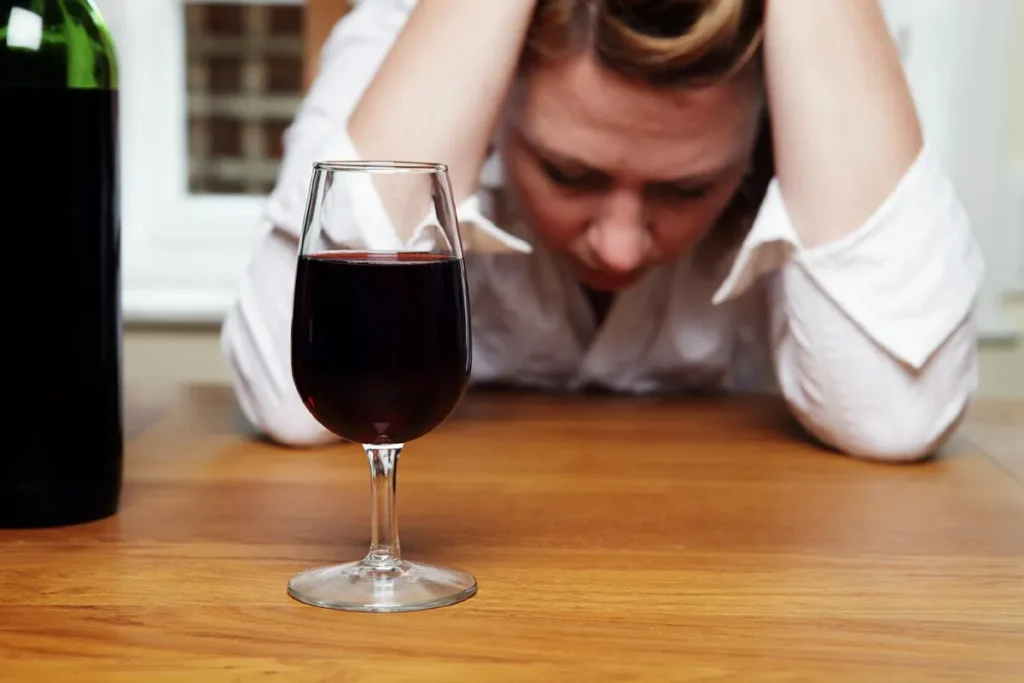
Reaching the fourth day without alcohol is a key moment in the alcohol withdrawal timeline. By then, the body starts to adjust to not having alcohol. But, the journey is far from over.
The science behind alcohol withdrawal is complex. It involves many physical and mental processes. Studies show that physical symptoms usually peak 48 to 72 hours after the last drink. They can last seven to 10 days, sometimes up to two weeks.
The Science of Alcohol Withdrawal Timeline
The alcohol withdrawal timeline varies from person to person. But, studies give us a good idea of what to expect. By day 4, many people start to feel better from the worst physical symptoms.
But, mental symptoms can last longer and may get worse as physical symptoms fade. This is a critical time when the risk of going back to drinking is high.
Research Findings on Symptom Duration
A survey of 2,136 American adults who stopped drinking found something interesting. Symptoms lasted an average of 4.83 days. Ninety-five percent of them said symptoms lasted between two to eight days. This shows how different people can be in how long symptoms last.
Knowing these research findings can help people prepare for the challenges of day 4 of alcohol withdrawal and beyond.
Common Symptoms That May Persist
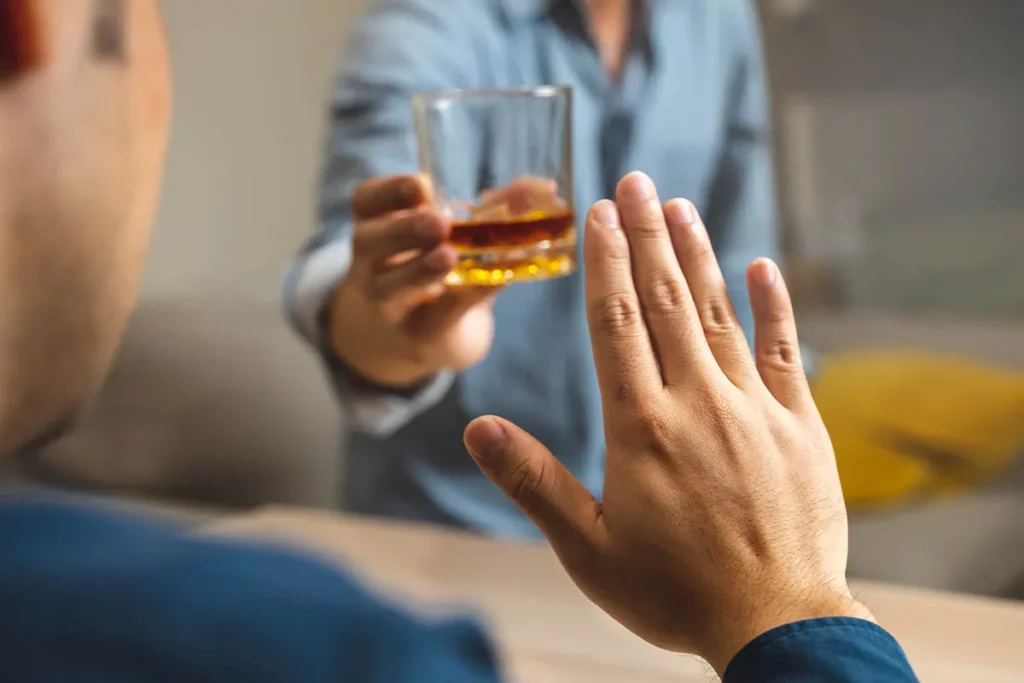
On the fourth day without alcohol, you might feel a mix of symptoms. Physical symptoms may lessen for some, but others might keep feeling pain. Knowing these symptoms helps you get through this tough time.
Physical Symptoms You Might STILL Experience
Even on day four, you might face some physical symptoms. These can include:
Tremors or Shaking Hands: This is your body adjusting to no alcohol.
Sweating and Headaches: Your body is adjusting, and these are signs of withdrawal.
Nausea: It’s a sign your body is cleaning itself.
Sleep Disturbances: You might have trouble sleeping or vivid dreams as your body adjusts.
Psychological Effects That Often Linger
Day four without alcohol can also bring psychological challenges. You might feel:
Anxiety and Irritability: Mood swings as your brain adjusts.
Cravings: These can be strong, but you can manage them.
Brain Fog: Feeling mentally cloudy or hard to focus.
Knowing these symptoms helps you prepare and find ways to cope. Here’s a quick guide on what you might face and how to deal with it:
By day 4, you’ve made a big step towards being alcohol-free. Knowing what symptoms might come up and being ready can help a lot on your journey to recovery.
How to Handle Day 4 No Alcohol Challenges
Day 4 without alcohol is tough. You need to take care of your body and mind. Self-care and mental health support can help a lot.
Self-Care Strategies for Physical Comfort
Feeling good physically is key in the first days of sobriety. Try physical activity like yoga or walking. It’s good for your body and mind. Also, eat well and drink lots of water to help your recovery.
Practice breathing exercises and mindfulness to manage cravings and reduce anxiety.
Engage in physical activities such as yoga or walking to improve overall health.
Nourish your body with a balanced diet rich in essential nutrients.
Blijf gehydrateerd door de hele dag door veel water te drinken.
Mental Health Support Techniques
Mental health is just as important. Mindfulness and meditation can help with cravings and anxiety. Talking to friends and family, or writing in a journal, can also help.
Utilize mindfulness apps to guide you through meditation and relaxation exercises.
Connect with your support network, including friends, family, or support groups.
Practice journaling to reflect on your progress and emotions.
Consider seeking professional help if you’re struggling with intense cravings or emotional distress.
For more info on the first days of sobriety, check out Sanctuary Lodge’s blog.
Conclusion: Celebrating Progress and Looking Ahead
Reaching the 4th day sober is a big deal. It shows your strength and how you’re handling the tough days. You’re doing great on day 4 of sobriety.
It’s important to celebrate your progress, like being 4 days sober. Keep using the strategies that have worked for you. This will help you stay sober and recover well.
Your hard work is paying off. Keep moving forward, knowing each day brings you closer to a healthier you. Focus on your health to achieve long-term sobriety.
FAQ
What can I expect on day 4 without alcohol?
By day 4, the worst of the physical withdrawal symptoms should start to fade. You might feel tired, have headaches, or feel anxious. Sleep problems can also persist.
How long do physical withdrawal symptoms last?
The worst of the physical symptoms usually hit 48 to 72 hours after drinking stops. By day 4, many start to feel better physically.
What are some common physical symptoms that may persist on day 4?
You might keep feeling shaky, sweaty, or nauseous. Sleep issues are also common.
What psychological effects can I expect on day 4 without alcohol?
You might feel anxious, irritable, or have mood swings. Cravings and brain fog are also common challenges.
How can I manage cravings and anxiety on day 4?
Mindfulness, meditation, and deep breathing can help with cravings and anxiety. Yoga or walking can also improve your mental and physical health.
What self-care strategies can I use to alleviate withdrawal symptoms?
Good self-care can help a lot. Eating well and staying hydrated are key to feeling better.
How can I stay motivated and committed to my recovery on day 4?
Connecting with loved ones and journaling can give you emotional support. Celebrating your progress and looking forward can keep you on track.
What if I’m experiencing severe withdrawal symptoms on day 4?
If symptoms are severe, get medical help. Day 4 is a turning point for many, but some may need professional help.
Can I stil experience relapse on day 4 without alcohol?
Yes, the risk of relapse is high due to ongoing mental challenges. Staying true to your recovery plan and managing cravings can help.
Referenties
Nationaal Centrum voor Biotechnologie-informatie. Evidence-Based Medisch Inzicht. Opgehaald van https://www.ncbi.nlm.nih.gov/pmc/articles/PMC5787950/[6