
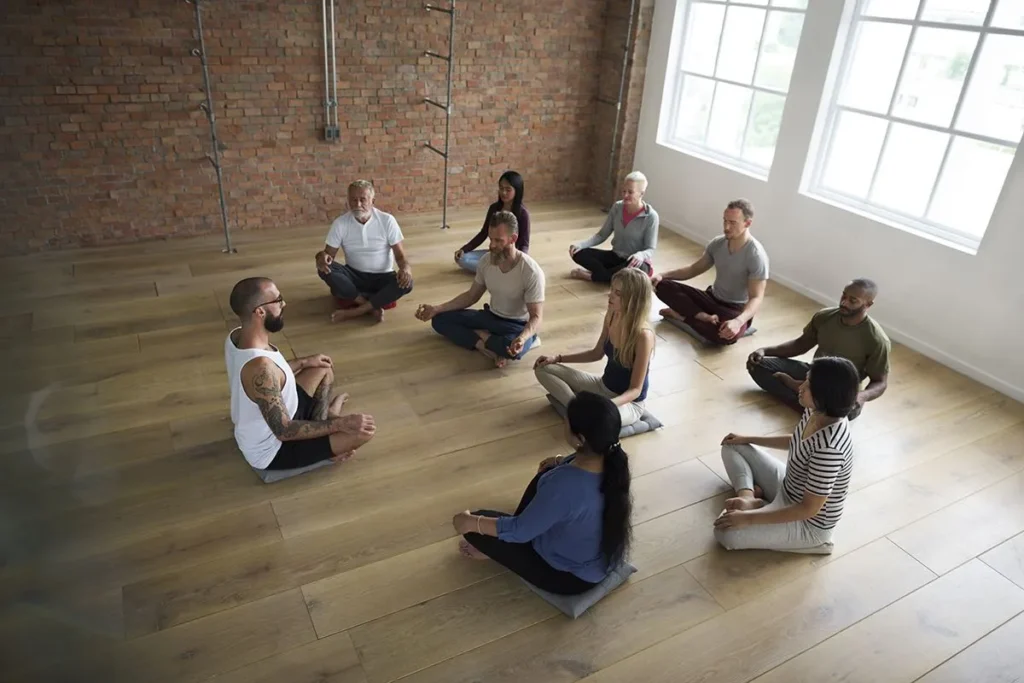
Use dbt mindfulness exercises for amazing calm wins. Master powerful group tools to stop painful stress and achieve brilliant mental peace.
Leading DBT mindfulness group activities can change lives. It helps people manage their feelings and heal together. Therapists and facilitators teach important skills to handle emotions and stress.
Mindfulness activities for groups build a sense of community. They let people learn together and support each other. It’s important for facilitators to know how to lead these groups well.
Facilitators make DBT mindfulness exercises easy to understand. This helps participants get to know themselves better. It can lead to less stress and more strength.
Belangrijkste opmerkingen
DBT mindfulness group activities promote emotional regulation and collective healing.
Effective facilitation is key for a safe and supportive space.
Mindfulness activities for groups foster a sense of community and shared learning.
Simplifying the science behind DBT mindfulness exercises empowers participants.
Reduced stress and increased resilience are possible benefits of DBT mindfulness exercises.
Understanding the Foundation of DBT Mindfulness

DBT mindfulness in groups has research-backed benefits for mental health. To lead these exercises well, knowing DBT’s core principles is key.
The Core Principles of Dialectical Behavior Therapy
Dialectical Behavior Therapy (DBT) focuses on mindfulness. This means being present without judgment. It helps people control their emotions and stop harmful behaviors.
The main parts are:
Observing and describing experiences without judgment
Participating fully in the current moment
Focusing on effectiveness in achieving goals
For more on DBT mindfulness, check out
Research-Backed Benefits for Participants
Research shows DBT mindfulness boosts self-reported mindfulness and awareness. It also improves attention and mental health. The benefits are:
Enhanced emotional regulation
Reduced impulsivity
Improved interpersonal effectiveness
These are key for those with mental health issues. DBT mindfulness is a powerful tool in therapy.
Neurological Impact on Prefrontal Cortex Function
DBT mindfulness exercises boost prefrontal cortex function. This area helps control impulses and emotions. Regular practice improves brain function, making DBT more effective for mental health.
Understanding DBT mindfulness helps therapists lead DBT mindfulness exercises for groups better. This improves treatment results for everyone involved.
Preparing to Lead Effective Group Sessions
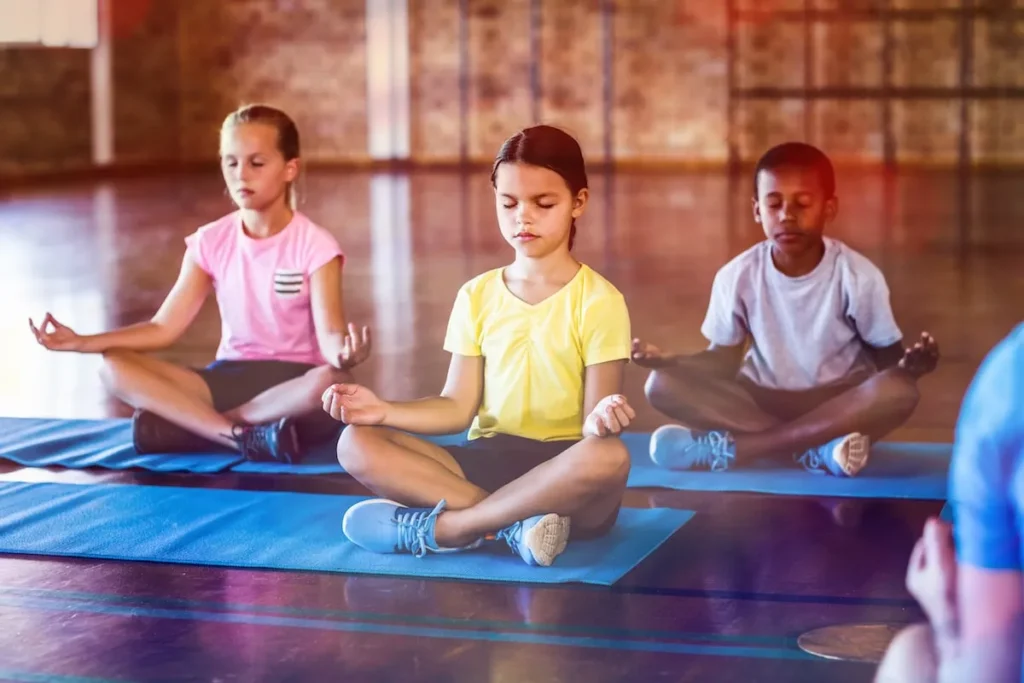
The success of DBT mindfulness group sessions depends on the therapist’s skill. They must create a welcoming and non-judgmental space. This requires careful thought about several factors that make the environment therapeutic and supportive.
Creating a Supportive and Non-Judgmental Environment
It’s key to have a supportive and non-judgmental space for DBT mindfulness group therapy. This can be done by:
Setting clear expectations and boundaries
Fostering an atmosphere of respect and empathy
Encouraging open communication and active participation
By doing this, therapists can make a safe space. Here, participants can explore mindfulness group therapy activities and grow in self-awareness.
Essential Materials and Room Setup
The physical setting is important for mindfulness activities for groups. Therapists should think about the following when setting up the room:
Arranging seating to promote a sense of community and equality
Minimizing distractions and creating a calm atmosphere
Using appropriate lighting and temperature control
A well-designed space can improve the experience. It helps participants focus on their mindfulness practice.
Therapist Mindset and Personal Practice
A therapist’s personal practice and mindset are key to leading effective DBT mindfulness groups. It’s important for therapists to:
Engage in regular DBT mindfulness exercises to maintain their own mindfulness practice
Cultivate a non-judgmental and compassionate attitude towards themselves and others
Stay updated with best practices and research in DBT and mindfulness therapy
For more information on DBT mindfulness exercises, visit There, you can find a variety of fun mindfulness activities for groups to improve your therapy approach.
Implementing DBT Mindfulness Exercises for Groups
When using DBT mindfulness exercises in groups, it’s important to create a supportive space. This means picking the right exercises and making sure everyone feels safe and encouraged to participate fully.
Guided Breathing and Present-Moment Awareness
Guided breathing is key in DBT mindfulness. It helps people stay in the present, not worrying about the past or future. Start by having everyone sit comfortably with their eyes closed or focused on something in front of them.
Jon Kabat-Zinn
Guide them to breathe deeply and slowly. Ask them to notice how their breath feels moving in and out of their body. You can also try different breathing methods, like diaphragmatic breathing or box breathing.
Mindful Walking and Movement Activities
Mindful walking and movement activities make mindfulness a part of physical action. Start with a simple exercise by having everyone walk slowly and focus on their feet touching the ground.
Activities like yoga or tai chi also work well. They mix physical movements with mindfulness. These activities improve both physical and mental health.
Role-Play Exercises for Skill Development
Role-play exercises are great for improving social skills and assertiveness in DBT. They let participants practice in a safe, controlled setting, getting feedback from the group leader and others.
To start, pick a scenario that’s relevant to the group. Have everyone take turns playing different roles, focusing on clear communication and managing emotions.
Adapting Exercises for Different Group Needs
It’s important to adapt DBT mindfulness exercises for different group needs. Think about the age, ability, and cultural background of the participants when choosing and changing exercises.
For example, younger people might enjoy more active activities like mindful movement or games. Older adults might prefer calmer exercises, like guided breathing or meditation.
Being flexible and meeting the group’s needs helps create a supportive environment. This makes DBT mindfulness exercises more effective for everyone.
Conclusion: Enhancing Treatment Outcomes Through Regular Practice
Regular practice of DBT mindfulness exercises is key to better treatment results. By adding dbt mindfulness techniques to daily life, people can better manage their emotions. They also improve how they handle stress and interact with others.
DBT mindfulness activities for groups offer a supportive space. Here, people can learn these skills together. Mindfulness activities for adults help lower stress and boost well-being.
By sticking to DBT mindfulness practice, therapists help their clients make lasting changes. As clients keep practicing, they see big improvements in their mental health. They also enjoy a better quality of life.
In the end, regular DBT mindfulness practice leads to a more fulfilling life. It brings emotional strength and better relationships.
FAQ
What are DBT mindfulness exercises, and how can they benefit individuals in group therapy settings?
DBT mindfulness exercises help people stay in the moment. They reduce strong emotions and improve control over feelings. This leads to better stress management and overall happiness.
What are some common DBT mindfulness exercises that can be used in group settings?
Common exercises include guided breathing, mindful walking, and role-play. These activities are tailored to fit the needs of everyone in the group. They help everyone learn and grow together.
How can therapists create a conducive environment for DBT mindfulness group sessions?
Therapists can make the space comfortable and welcoming. They should be mindful of their own feelings and set clear rules for the group. This helps everyone feel safe and supported.
What are the benefits of regular DBT mindfulness practice for individuals?
Regular practice improves emotional control and reduces stress. It also boosts overall happiness. Plus, it changes the brain for the better, helping with focus and feelings.
How can DBT mindfulness exercises be adapted for different group needs?
Exercises can be changed to fit the group’s needs and goals. They can be made easier or harder based on the group’s age, ability, or background. Being flexible helps everyone feel included.
What is the role of the therapist in leading DBT mindfulness group sessions?
The therapist is key in creating a supportive space. They guide the exercises and help build a sense of community. This makes everyone feel connected and engaged.
Can DBT mindfulness exercises be used in conjunction with other therapeutic approaches?
Yes, DBT mindfulness can be combined with other therapies. This makes treatment more effective and well-rounded.
How can participants benefit from DBT mindfulness group activities?
Participants gain self-awareness and better emotional control. They learn to handle tough situations better. This leads to greater happiness and well-being.
Referenties
Nationaal Centrum voor Biotechnologie-informatie. Evidence-Based Medisch Inzicht. Opgehaald van https://pmc.ncbi.nlm.nih.gov/articles/PMC5679245/