

Learning DBT mindfulness skills can change your life for the better. It helps you handle your emotions and stress better. By adding mindfulness exercises to your daily routine, you can feel more in control.
Dialectical Behavior Therapy (DBT) teaches the importance of mindfulness in DBT. It helps you stay emotionally balanced. With DBT mindfulness activities and exercises, you learn to notice your thoughts and feelings without judgment. This leads to better mental health.
Belangrijkste opmerkingen
Mastering DBT mindfulness techniques improves emotional regulation.
DBT mindfulness skills enhance stress management capabilities.
Mindfulness in DBT promotes non-judgmental awareness.
DBT mindfulness activities support overall mental health.
Regular practice of DBT mindfulness exercises fosters resilience.
The Science and Foundations of DBT Mindfulness
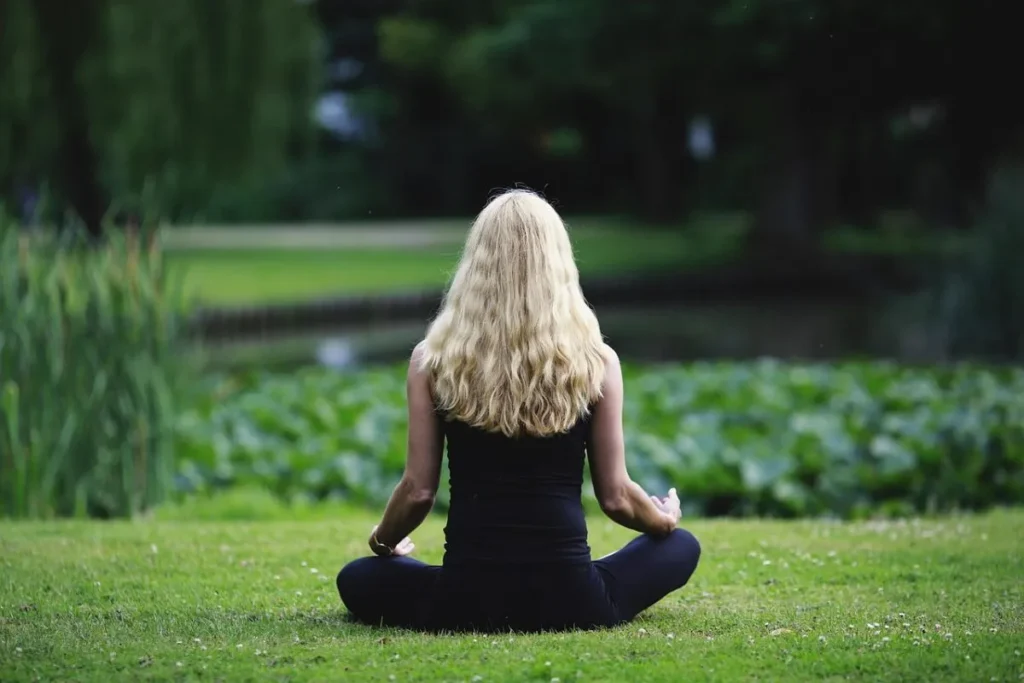
It’s important to know the science behind DBT mindfulness to use it well. DBT mindfulness is based on strong science that shows it works for managing stress and emotions.
Evidence-Based Benefits for Emotional Regulation
Studies show that DBT mindfulness improves how we pay attention and notice things without judgment. A big study found that regular mindfulness practice reduces stress and emotional ups and downs. This makes DBT mindfulness skills great for daily life.
If you want to learn more DBT mindfulness exercises, check out DBT Mindfulness Exercises. It offers helpful tips and practices for better emotional control.
The Four Core Components of DBT Mindfulness
The DBT STOP Skill is a key part of Dialectical Behavior Therapy. It helps manage strong emotions and stop acting on impulse. The acronym STOP means Stop, Take a Breath, Observe, and Proceed Mindfully.
Each step helps us break bad habits and think more clearly. It builds awareness and helps us make better choices.
Learning the DBT STOP Skill helps us handle stress better. It’s a key part of mindfulness DBT and helps us feel better overall.
Essential DBT Mindfulness Techniques for Daily Practice

DBT mindfulness is based on simple yet powerful exercises. These exercises help us connect more deeply with the present moment. By using these techniques every day, we can become more aware of ourselves, manage our emotions better, and feel better overall.
“What” Skills: Observing, Describing, and Participating
DBT mindfulness focuses on “what” skills like observing, describing, and participating. Observing means watching our experiences without judgment. This lets us notice our thoughts, feelings, and body sensations. Describing these observations in words helps us remember them better. Participating fully in the moment helps us enjoy activities more.
Observe your surroundings without judgment, noticing the sights, sounds, and smells.
Describe your experiences in detail, using words to capture the essence of the moment.
Participate fully in activities, engaging your senses and letting go of distractions.
“How” Skills: Non-judgmentally, One-mindfully, Effectively
DBT mindfulness also teaches “how” skills. Being non-judgmental means not judging ourselves or others. Practicing one-mindfulness means focusing on one thing at a time. Being effective means using mindfulness to get what we want, making it useful and goal-oriented.
Creating Your 30-Minute Practice Routine
To make DBT mindfulness a regular part of your life, create a routine. Set aside 30 minutes each day for mindfulness exercises. Start by observing and describing your surroundings. Then, do a mindful activity like deep breathing or a short walk.
Start with 5 minutes of observing your surroundings.
Spend 10 minutes describing your experiences in a journal.
Participate in a 10-minute mindful activity, such as meditation or a mindful walk.
End with 5 minutes of reflection, noting your insights and feelings.
By adding DBT mindfulness to your daily routine, you can build tools for long-term recovery and better health. Studies show that regular practice of DBT mindfulness skills can greatly improve emotional control and overall well-being.
Conclusion: From Practice to Mastery of Mindfulness
Mastering DBT mindfulness takes time and effort. By adding DBT mindfulness skills to your daily life, you can better manage your emotions and stress. Using skills like STOP can help you notice and change negative thoughts and feelings.
Mindfulness in DBT has shown to help with BPD and anxiety. Studies found that regular mindfulness practice reduces emotional ups and downs. Adding group mindfulness exercises to your day can bring more calm and focus.
Keep working on mastering DBT mindfulness techniques. Remember, mindful DBT is a journey that changes you. With regular practice, you’ll see better mental health and happiness. Stay patient and dedicated, and you’ll find a more rewarding life.
FAQ
What is DBT mindfulness, and how does it differ from other mindfulness practices?
DBT mindfulness is a special mindfulness practice from Dialectical Behavior Therapy. It helps improve emotional control, reduce stress, and boost mental health. Unlike other mindfulness, DBT focuses on specific skills to guide your practice.
What are the four core components of DBT mindfulness, and how do they contribute to emotional regulation?
DBT mindfulness has four main parts: observing, describing, participating, and “how” skills. These help you become more aware of your thoughts, feelings, and actions. This awareness helps you manage your emotions better and handle tough situations.
How can I incorporate DBT mindfulness into my daily life, and what are some tips for creating a consistent practice routine?
Start by dedicating 30 minutes a day for DBT mindfulness. Begin with simple activities like focusing on your breath or noticing your surroundings. Stick to a routine and be patient as you improve your skills.
What are some common challenges people face when practicing DBT mindfulness, and how can they be overcome?
Challenges include quieting your mind, feeling restless, and keeping up with practice. Approach these with kindness and gently refocus when distracted. Try different techniques, like guided meditations, to find what works for you.
Can DBT mindfulness be practiced in a group setting, and are there benefits to practicing with others?
Yes, group practice is great for DBT mindfulness. It offers support and a sense of community. Sharing experiences and learning from others can boost motivation and help you stay on track.
How can I measure the effectiveness of my DBT mindfulness practice, and what benefits can I expect to experience?
Track changes in emotional control, stress, and mental health to see how DBT mindfulness works. With regular practice, you’ll likely see better emotional control, less stress, and overall well-being. Stay committed and patient for a more fulfilling life.
What is the role of meditation in DBT mindfulness, and how can I incorporate it into my practice?
Meditation is key in DBT mindfulness for improving emotional control. Start with short, guided meditations and increase time as you get more comfortable. Try different types of meditation to find what suits you best.
How can DBT mindfulness be used in conjunction with other therapeutic approaches, such as cognitive-behavioral therapy?
DBT mindfulness can enhance other therapies like cognitive-behavioral therapy. Adding mindfulness skills to your therapy practice increases awareness of thoughts, emotions, and actions. This integrated approach can lead to better mental health and overall well-being.
Referenties
Nationaal Centrum voor Biotechnologie-informatie. Evidence-Based Medisch Inzicht. Opgehaald van https://pmc.ncbi.nlm.nih.gov/articles/PMC5679245/[5