
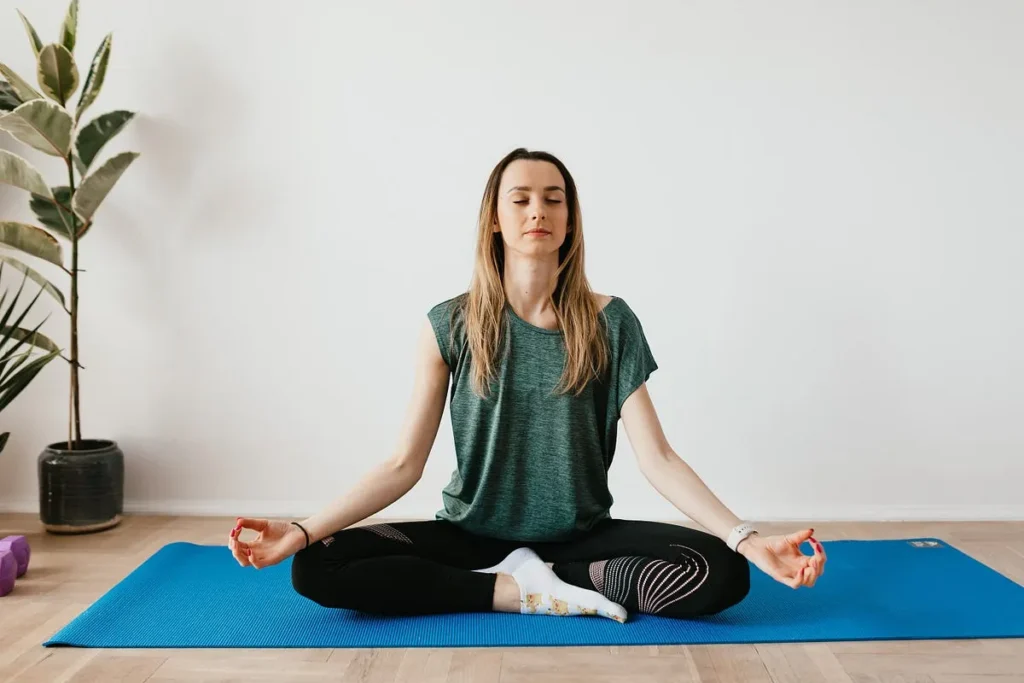
We define mindfulness as a brilliant path to peace. Use powerful daily habits to stop painful anxiety and feel amazing and grounded now.
Mindfulness is about being aware in the present moment. It means paying attention on purpose, in the present moment, and nonjudgmentally. It’s about noticing our thoughts, feelings, and surroundings with kindness.
In our busy world, mindfulness helps us feel better. It lets us control our thoughts and feelings better. By adding mindfulness to our day, we can find peace and clear thinking.
Belangrijkste opmerkingen
Mindfulness is about being present in the moment.
It involves paying attention to thoughts, feelings, and bodily sensations.
Mindfulness practices can lead to enhanced well-being.
Incorporating mindfulness into daily activities can reduce stress.
Mindfulness is a pathway to greater self-awareness.
How to Define Mindfulness and Its Core Principles
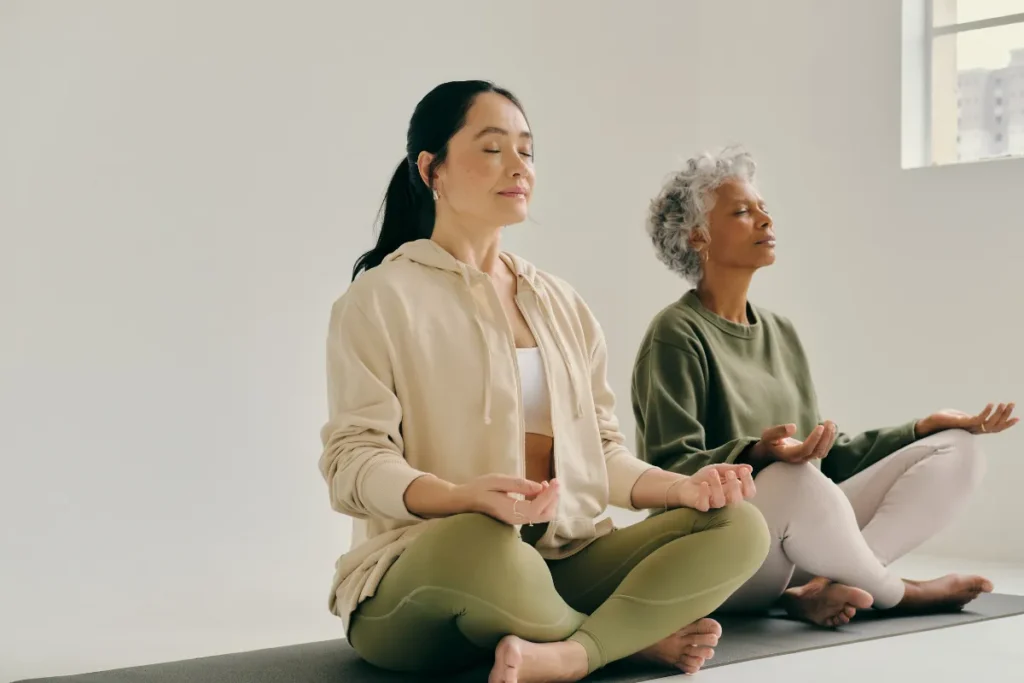
Mindfulness is about being aware and accepting of the present moment. It means paying attention to what’s happening without judgment. This helps us understand ourselves and the world better.
The Origins and Historical Context of Mindfulness
Mindfulness comes from ancient Buddhist meditation. It was used to increase awareness of thoughts, feelings, and body sensations. In the West, Jon Kabat-Zinn made it popular with his Mindfulness-Based Stress Reduction (MBSR) program.
This program used old mindfulness techniques for today’s stress and well-being. Knowing mindfulness’s spiritual roots helps us understand its principles better.
Key Components That Define Mindfulness Practice
Mindfulness has two main parts: attention and acceptance. Attention means focusing on the now, often using the breath. Acceptance is about seeing things as they are, without judgment.
Paying attention to the present moment
Cultivating a non-judgmental awareness
Accepting experiences as they are
Together, these parts help us become more aware and understanding. By focusing on the now and accepting it, we can feel less stressed and better overall.
Common Misconceptions About Mindfulness
Many people think mindfulness is just for relaxing. But it’s more about being aware and accepting. Another mistake is thinking you need a clear mind for mindfulness. It’s about watching thoughts and feelings without trying to change them.
Knowing what mindfulness isn’t helps us approach it right. It’s about accepting the present moment fully, not trying to achieve some perfect state.
The Transformative Benefits of Mindfulness Practice

Mindfulness can greatly improve your well-being. It means being fully present and aware of the moment. This practice helps you act on purpose and reduces habits.
Mental and Emotional Well-being Improvements
Mindfulness can lower stress and improve emotional control. It also boosts self-awareness. Regular practice can reduce anxiety and depression, making you more balanced and resilient.
Enhanced emotional intelligence
Improved mood stability
Increased self-awareness
To learn more about mindfulness, visit Mindful.org. They offer a detailed look at mindfulness and its advantages.
Physical Health and Cognitive Function Benefits
Mindfulness also benefits your physical and mental health. It can lower blood pressure and improve sleep. Plus, it enhances focus and concentration, helping you perform better in life.
Reduced chronic pain
Improved immune function
Enhanced cognitive flexibility
In summary, mindfulness offers many benefits for both your mind and body. By adding mindfulness to your daily life, you can see these positive changes for yourself.
Practical Techniques to Cultivate Mindfulness Daily
Mindfulness is more than a practice; it’s a lifestyle. It can be developed through daily techniques. By adding mindfulness to our routines, we can lower stress and feel better overall.
Beginning with Mindful Breathing Exercises
Mindful breathing is key in mindfulness. It focuses on the breath and letting go of thoughts. Find a quiet spot, sit comfortably, and focus on your breath. Notice how air moves in and out of your nose.
If your mind drifts, gently bring it back to your breath. Mindful breathing exercises are easy to do anywhere, anytime. They help calm the mind and reduce anxiety.
Practicing Body Scan Meditation
Body scan meditation is a powerful technique. It involves focusing on body parts from toes to head. It helps release tension and relax. Lie down or sit, and focus on each part of your body, noticing sensations.
Regular body scan meditation makes you more aware of your body. It helps reduce physical discomfort.
Incorporating Mindfulness into Everyday Activities
Mindfulness isn’t just for meditation. It can be part of daily activities like eating, walking, and showering. The goal is to be fully present in these moments. For example, when eating, enjoy the taste, smell, and texture of your food.
Mindfulness in daily life makes tasks more enjoyable. It helps us connect with the present moment.
Overcoming Challenges in Mindfulness Practice
Starting a mindfulness practice can be tough, but it’s worth it. Common hurdles include finding time, dealing with distractions, and staying motivated. Start small and gradually increase your practice time. Create a special space for mindfulness and consider joining a group or finding a buddy.
For more tips on mindfulness exercises, check out Medical organization’s mindfulness exercises page. It has lots of helpful information.
Conclusion: Embracing Mindfulness as a Lifelong Journey
Mindfulness is a basic human skill that helps us be aware, accept, and care for each other. It’s not something extra we do. It’s how we live, changing how we see ourselves, others, and the world.
Starting our mindfulness journey, we see its great benefits. We feel better mentally and emotionally. Our physical and brain health also improves. Mindfulness brings us calm, clarity, and purpose in our daily lives.
Being mindful for life needs patience, hard work, and kindness to ourselves. It’s a journey to know ourselves better, ignore distractions, and live in the now. Along the way, we might find new ways to practice mindfulness, like through movement or talking.
By choosing mindfulness, we can greatly improve our well-being. We find peace and confidence inside. This journey isn’t about reaching a goal. It’s about being kind and present in the moment, to ourselves and others.
FAQ
What is the meaning of being mindful?
Being mindful means being fully present in the moment. You focus on your thoughts, feelings, and sensations without judgment or distraction.
What is mindfulness and how is it practiced?
Mindfulness is about being aware and accepting of the present moment. It’s often practiced through meditation, breathing exercises, and daily activities like eating or walking.
What are the core principles of mindfulness?
Mindfulness is based on three main principles: attentional focus, acceptance, and non-judgment. These help you understand yourself and your experiences better.
What are the benefits of mindfulness practice?
Mindfulness practice can improve your mental and emotional health. It reduces stress and anxiety, boosts cognitive function, and supports physical health.
How can I incorporate mindfulness into my daily life?
You can add mindfulness to your daily routine with mindful breathing, body scan meditation, and focusing on your thoughts and feelings during everyday tasks.
What is mindful breathing, and how do I practice it?
Mindful breathing focuses on your breath, noticing its sensation, and ignoring distractions. It helps calm your mind and promotes relaxation.
How can mindfulness help with stress and anxiety?
Mindfulness teaches you to stay present and manage your thoughts and emotions. It helps you find calm and well-being.
Is mindfulness a religious practice?
Mindfulness has Buddhist roots but is not a religious practice itself. It’s a secular technique that anyone can practice, regardless of faith.
Can mindfulness be practiced by anyone?
Yes, mindfulness is for everyone, regardless of age, background, or ability. It’s a universal tool for improving well-being.
How long does it take to see the benefits of mindfulness?
Mindfulness benefits can be seen quickly, often in just a few weeks. Studies show improvements in mental and emotional well-being with regular practice.
Referenties
Nationaal Centrum voor Biotechnologie-informatie. Evidence-Based Medisch Inzicht. Opgehaald van https://pmc.ncbi.nlm.nih.gov/articles/PMC3679190/