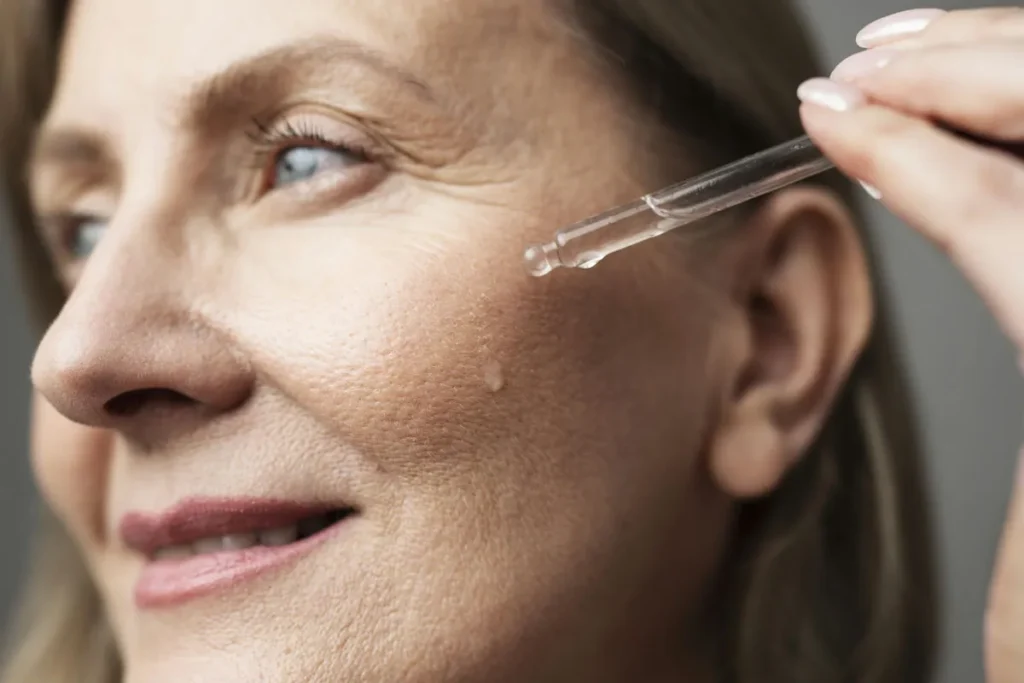
Our faces tell the story of our lives. But, knowing the science of facial aging lets us control how we look. The aging process is natural, but knowing what to expect can help us stay young-looking. Studies show the first signs of facial changes appear between 20 and 30 years old.
GoldCity Center offers top-notch care for facial aging. They make sure you get care that fits your needs. By understanding how our faces change with age, we can fight the signs of aging.
Belangrijkste opmerkingen
Understand the timeline of facial changes from age 20 onwards.
Learn about the multifaceted phenomenon of facial aging.
Discover how modern aesthetic medicine can help preserve your youthful appearance.
Explore the changes in facial structure, muscle tone, and skin quality over time.
Find out how GoldCity Center’s expertise can address your facial aging concerns.
The Facial Aging Process: An Overview
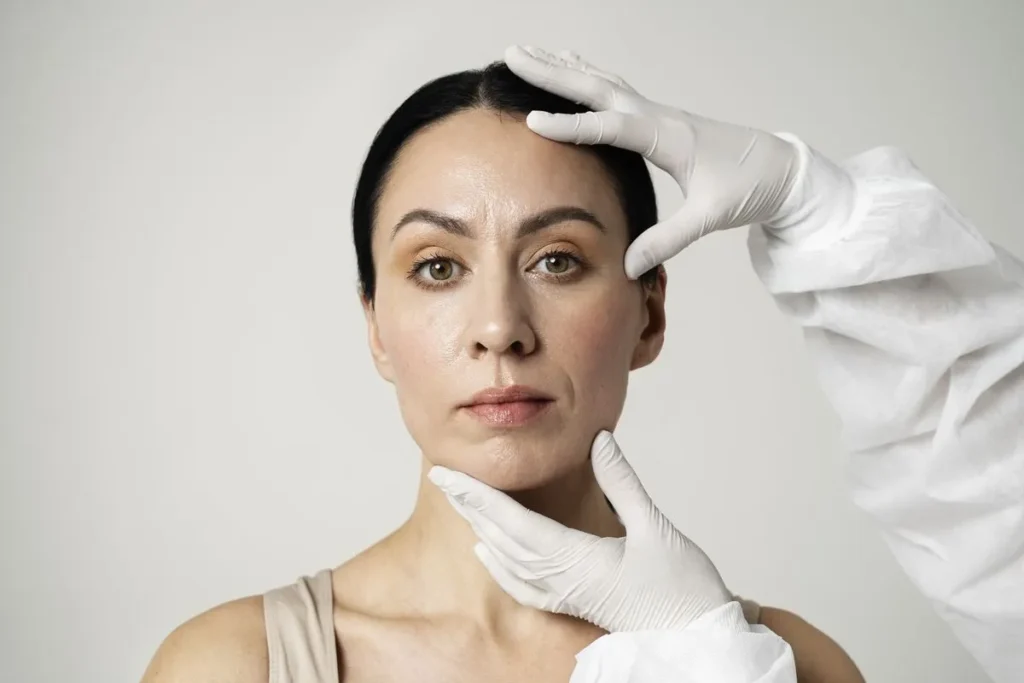
The facial aging process is a complex series of changes that occur over decades, affecting various aspects of our face. As we journey through life, our faces undergo a multitude of transformations. These changes can be both subtle and profound, influenced by a combination of intrinsic and extrinsic factors.
Onset of Aging Signs
Facial aging starts with subtle changes that often go unnoticed until they become more pronounced. The first signs typically start appearing in the mid-to-late twenties. Changes in bone density and fat distribution are among the initial indicators. As we age, these changes become more apparent, affecting the overall appearance of our face.
Some of the early signs include:
Slight changes in facial contours due to bone density loss
Initial fat redistribution, which can lead to volume loss in certain areas
Early signs of skin elasticity loss, manifesting as fine lines
The Multi-layered Nature of Facial Aging
Facial aging is not a single-dimensional process; it involves multiple layers of change that occur simultaneously. The multi-layered nature includes changes in bone structure, fat pad atrophy and displacement, muscle tone reduction, and skin elasticity loss. Understanding these layers is key to addressing the aging process effectively.
The key layers involved in facial aging are:
Bone Structure Changes: Loss of bone density affects facial contours.
Fat Pad Atrophy and Displacement: Redistribution of fat leads to changes in facial volume.
Muscle Tone Reduction: Decreased muscle tone impacts facial support and appearance.
Skin Elasticity Loss: Reduced elasticity results in sagging and wrinkles.
Intrinsic vs. Extrinsic Factors in Facial Aging
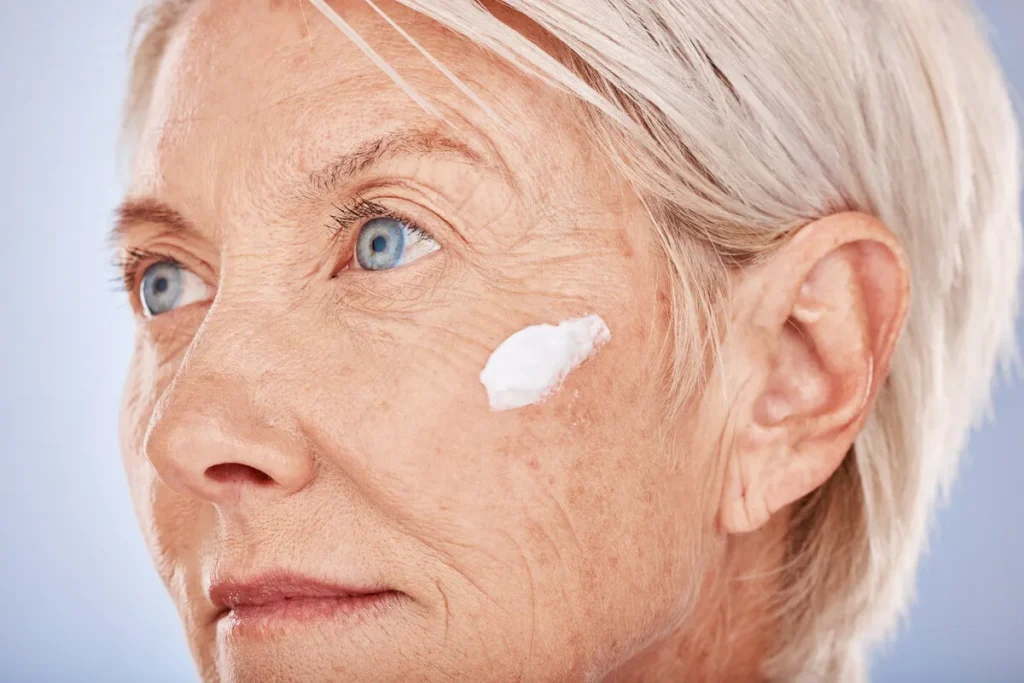
Facial aging is a complex process. It’s influenced by both internal and external factors. These factors can be broadly categorized into internal and external elements.
Internal Factors
Internal factors come from within our bodies. Genetics play a significant role in how our faces age. They affect skin elasticity, facial structure, and when aging signs appear. Hormonal changes, like those during menopause, also impact facial aging. They affect skin hydration and fat distribution.
External Factors
External factors come from our environment and lifestyle. UV exposure is a major external factor. It causes photoaging, leading to wrinkles and age spots. Other external factors include smoking, which harms skin elasticity. Lifestyle choices, like diet and exercise, also play a role in aging.
Understanding these factors helps us take steps to slow aging. By adopting a holistic approach, we can keep our skin looking young and radiant.
7 Key Facial Changes and Their Timeline
As we age, our faces change a lot. These changes affect how we look. They happen because of the aging process, which is complex.
Changes in Facial Bone Structure
One big change is how our facial bones remodel. Facial bone remodeling changes the face’s shape. For more on facial aging, check out The Aging Face.
Fat Pad Atrophy and Displacement
Another key change is the loss of fat pads. This loss makes some parts of the face look less full. Fat pads help keep our faces looking young.
Muscle Tone Reduction
As we age, our muscles get weaker. This makes our face sag and lose definition.
Skin Elasticity Loss
Our skin also loses its elasticity with age. This makes it less firm and more likely to wrinkle.
Knowing about these changes helps us fight aging better. It’s important to understand how aging affects our faces. This way, we can choose the best skincare and beauty routines.
Conclusion: Individual Variations in Facial Aging
Facial aging is a complex process that affects everyone differently. The sequence of aging is similar for all, but the pace and extent vary greatly. This means each person ages at their own rate.
It’s important to understand these differences for effective anti-aging strategies. Genetics, lifestyle, and environment play big roles in how our faces age. As we get older, our faces change, showing our health and well-being.
Embracing our unique aging process is key to looking radiant and timeless. By focusing on our skin’s specific needs, we can transform our look. This approach boosts our confidence, whether we’re worried about aging or want to stay young.
By taking a personalized approach, you can truly transform your beauty. Your journey to a glowing face starts with understanding how you age. It’s a journey worth taking.
FAQ
What is the facial aging process, and how does it affect the face?
Facial aging is a series of changes that happen over time. It affects the face’s structure, muscle tone, and skin quality. It’s not just wrinkles; it’s also about bone changes, fat loss, muscle weakening, and skin elasticity loss.
When do facial aging signs first appear?
Signs of facial aging can start in the 20s and 30s. Early changes include bone and fat shifts. Knowing when and how aging happens helps in choosing the right treatments.
What are the internal and external factors that influence facial aging?
Genetics and hormones affect aging from inside. Outside factors like UV rays, smoking, and lifestyle choices speed up aging. Knowing these factors helps slow down aging.
How do facial bones change with age?
Facial bones change with age, altering the face’s shape. This remodeling shows in visible aging signs.
What happens to fat pads as we age?
Fat pads shrink or move with age, changing facial contours. This contributes to aging signs.
How does muscle tone reduction affect the face?
Losing muscle tone makes the face less firm. It leads to wrinkles and fine lines.
What causes skin elasticity loss, and how can it be addressed?
Skin elasticity loss is part of aging, due to internal and external factors. Advanced skincare and a healthy lifestyle can help.
Is facial aging a uniform process, or does it vary from person to person?
Facial aging varies greatly from person to person. Genetics, lifestyle, and environment all play a role in these differences.
How can understanding the facial aging timeline help in anti-aging strategies?
Knowing the aging timeline helps in choosing the right treatments. It leads to effective anti-aging plans for each person.
What role do lifestyle choices play in accelerating or decelerating the facial aging process?
Lifestyle choices like smoking, UV exposure, and diet greatly affect aging. Making smart choices can slow down aging.
Referenties
JAMA-netwerk. Evidence-Based Medisch Inzicht. Opgehaald van https://jamanetwork.com/journals/jamapsychiatry/fullarticle/481641[4