
Beating fentanyl addiction is tough, but it’s possible with the right treatment options. Fentanyl is a synthetic opioid, 100 times stronger than morphine. It’s used for chronic pain and after surgery. But, it’s very dangerous because it can lead to severe addiction and overdose.
Knowing the dangers of fentanyl and the treatment options is the first step. Medications like buprenorphine, methadone, and naltrexone help with withdrawal and cravings. Adding behavioral therapy to these treatments helps people stay on the path to recovery.
Belangrijkste opmerkingen
Understanding the dangers of fentanyl is key to recovery.
Medications like buprenorphine, methadone, and naltrexone manage withdrawal symptoms.
Behavioral therapy tackles addiction’s mental side.
A mix of medications and therapy is essential for beating fentanyl addiction.
With the right treatment, overcoming fentanyl addiction is possible.
Understanding Fentanyl and Its Dangers
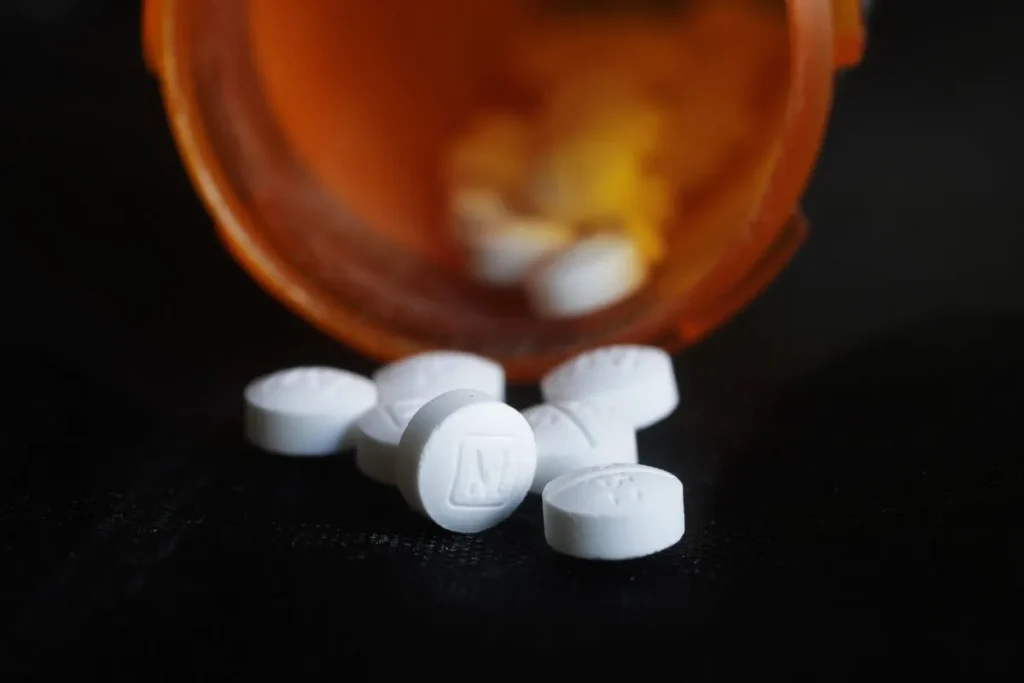
Fentanyl is a very strong synthetic opioid that can lead to addiction easily. It’s used to treat severe pain, like in cancer or after surgery. But, its illegal making and selling have made it a big problem.
What is Fentanyl and Its Medical Purpose
Fentanyl is a synthetic opioid, 100 times more potent than morphine. Doctors use it for chronic severe pain and after surgery. It’s meant for patients with pain that other opioids can’t handle.
Because of its strength, fentanyl’s medical use is closely watched. It’s given through fentanyl needles or patches for long-term pain.
The Synthetic Nature and Potency of Fentanyl
Fentanyl is made, not found in nature. This makes its strength and quality unpredictable. This unpredictability raises the risk of overdose and death.
Knowing the signs of fentanyl use disorder is key. Look for small pupils, sleepiness, and trouble breathing. Understanding fentanyl’s dangers is vital in fighting the opioid crisis.
Recognizing Fentanyl Use Disorder
It’s important to know the signs of fentanyl addiction to help someone. Fentanyl addiction happens when someone uses it more than they should. They also feel strong cravings and keep using even if it causes problems.
Common Signs and Symptoms of Addiction
Fentanyl addiction shows in different ways. Physical symptoms include small pupils, feeling very sleepy, and trouble breathing. Changes in behavior are also signs, like being secretive and ignoring important tasks.
Psychological symptoms include mood swings, feeling anxious or depressed. Knowing these signs helps us support those struggling with addiction.
How Fentanyl Affects the Body and Mind
Fentanyl works by binding to opioid receptors, causing a strong feeling of happiness. But, it also leads to severe withdrawal symptoms when stopped. It makes the mind dependent, making it hard to stop without help.
The after effects of fentanyl can last a long time. Some people may feel withdrawal symptoms for weeks or months after they stop. Knowing this helps in creating better treatment plans.
Fentanyl addiction is a serious issue that needs a full treatment plan. By recognizing the signs, we can help people start their recovery journey.
Effective Fentanyl Addiction Treatment Approaches
Treating fentanyl addiction needs a mix of medication, therapy, and support groups. Medication-assisted treatment (MAT) uses FDA-approved drugs like buprenorphine and methadone. These are combined with counseling to tackle addiction’s physical and mental sides.
Medical detox starts treatment, helping manage withdrawal. Behavioral therapies, like Cognitive Behavioral Therapy (CBT), teach coping skills and managing triggers. Support groups, like Narcotics Anonymous (NA), offer a community that gets the recovery journey.
Knowing where fentanyl comes from and its makeup helps in treatment. Fentanyl is a synthetic opioid, and its strength and ingredients can change. Tailoring treatment to each person’s needs makes recovery possible. Good treatment plans help people beat addiction and stay sober for good.
FAQ
What is fentanyl, and what is it used for?
Fentanyl is a synthetic opioid used for severe pain. It’s often used for cancer patients or those in surgery. It’s much stronger than natural opioids like morphine.
Is fentanyl natural or synthetic?
Fentanyl is synthetic, made in labs, not from plants. This makes its strength and purity vary.
What are the signs of fentanyl use disorder?
Signs include small pupils, feeling very tired, and breathing problems. You might also see more secrecy and neglecting duties. Mood swings and depression are also signs.
How does fentanyl affect the body?
It binds to opioid receptors, causing a strong high. But, it can lead to severe withdrawal and even death if not used right.
What is the purpose of medication-assisted treatment (MAT) for fentanyl addiction?
MAT uses FDA-approved meds like buprenorphine and counseling. It tackles both the physical and mental sides of addiction.
What is the role of behavioral therapy in fentanyl addiction treatment?
Behavioral therapy helps people find ways to deal with triggers. It’s key to lasting recovery from fentanyl addiction.
How can support groups aid in fentanyl addiction recovery?
Support groups offer a community of people who get what recovery is like. They provide a supportive space for long-term sobriety.
What is medical detoxification, and why is it important?
Medical detox helps manage withdrawal symptoms under doctor’s care. It’s a vital first step in treating fentanyl addiction, ensuring a safe start to recovery.
Can fentanyl addiction be treated effectively?
Yes, with a full treatment plan that includes detox, medication, therapy, and support groups. Each part is tailored to the person’s needs.
Where does fentanyl come from?
Fentanyl is made in labs, not from plants. Its synthetic nature means it can be made in different forms and strengths.
What are the dangers associated with fentanyl use?
Fentanyl can lead to severe addiction, overdose, and death. Its high potency and varying purity are big risks. Knowing the signs of use disorder is key to early help.
Referenties
National Institutes of Health. Evidence-Based Medisch Inzicht. Opgehaald van https://nida.nih.gov/research-topics/fentanyl