
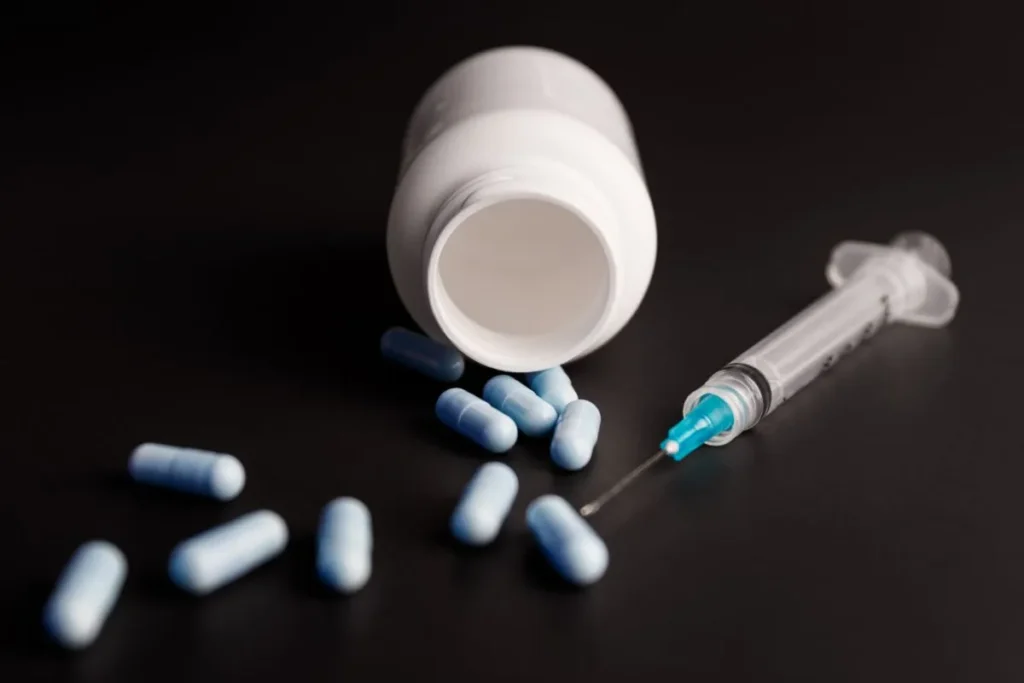
The worry about fentanyl danger is real and growing. Fentanyl is a synthetic opioid, much stronger than morphine or heroin. It’s a deadly substance that has caused a lot of fear about its gezondheid risks.
It’s important to know the risks of fentanyl. While it can be deadly in small amounts, how it causes poisoning is often misunderstood. Healthcare experts stress the need for accurate information to fight myths about it.
Learning the truth about fentanyl danger helps keep you and your family safe. The big question is: can fentanyl kill u if you just touch it? The answer depends on how this powerful opioid works and the real dangers it poses.
Fentanyl poisoning is a terrifying concern for many. Get the expert truth about exposure risks and how to prevent accidental toxic interactions.
Belangrijkste opmerkingen
Fentanyl is a highly potent synthetic opioid with significant health risks.
Understanding the actual routes of fentanyl exposure is key for risk assessment.
Evidence-based information is key to combating myths about fentanyl.
Knowing the dangers of fentanyl can help protect you and your loved ones.
Accurate knowledge about fentanyl can empower you to make informed decisions.
Understanding Fentanyl: Potency and Medical Uses
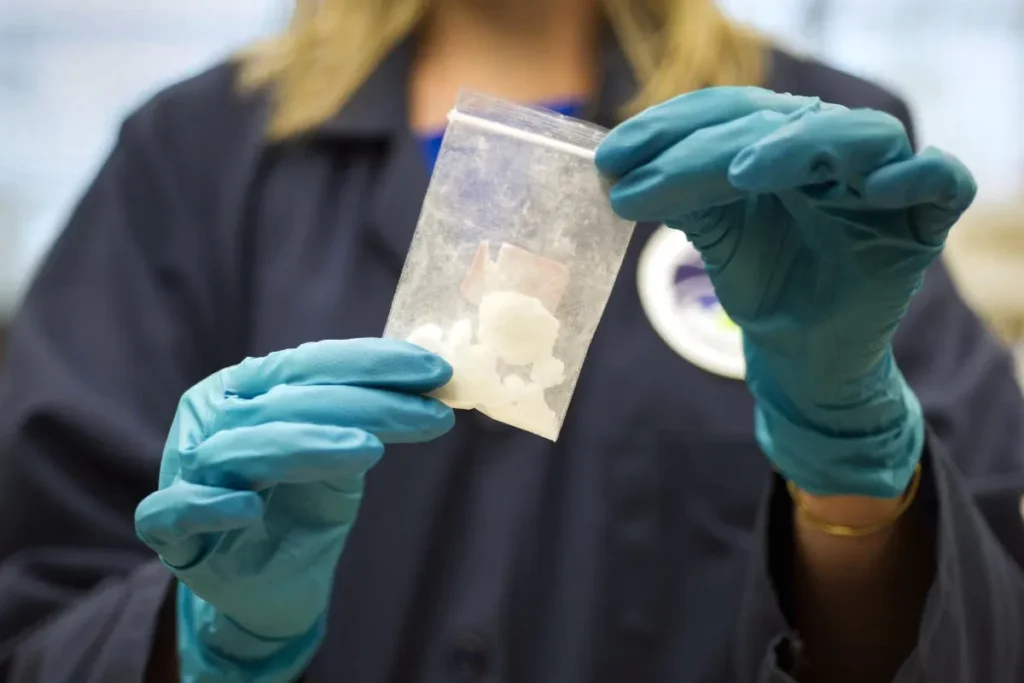
Fentanyl is a strong medicine for chronic pain, used with care. It’s a synthetic opioid, much stronger than morphine. This makes it effective for severe pain.
What Is Fentanyl and How Potent Is It?
Fentanyl is a very strong synthetic opioid. It’s used for pain in patients who have built up a tolerance. Its strength is 50 to 100 times that of morphine.
This high strength means it’s used in small doses. Even a little can have a big effect. But, it also raises the risk of overdose and misuse.
Legitimate Medical Applications
Fentanyl has real medical uses, mainly for chronic pain management and as an anesthesia aid. It comes in patches, lozenges, and injectables, each for different needs.
With doctor’s care, fentanyl can manage pain well. For example, patches release fentanyl slowly, giving steady relief.
Illicit Fentanyl and Its Dangers
But, fentanyl is also misused. Illicit fentanyl, made outside of medicine, is very dangerous. It’s often mixed with other drugs or sold as fake pills, raising overdose risks.
The dangers of illicit fentanyl are huge because of its strength and lack of quality control. Users might not know how much fentanyl they’re taking, making overdose death more likely.
Fentanyl Exposure Risks: Truth About Skin Contact
[Add image here]
It’s important to know the real risks of fentanyl exposure, like skin contact and inhalation. Fentanyl is a strong synthetic opioid at the heart of the opioid crisis. Many people don’t know the truth about how it can affect them.
Can Fentanyl Be Absorbed Through Skin?
Many wonder if fentanyl can get into the body through the skin. Studies show that touching fentanyl has never caused an overdose. But, some conditions like open wounds or long exposure to high fentanyl levels might raise risks.
Fentanyl is made to go through the skin in medical patches. These patches slowly release fentanyl to help with pain. They are designed to avoid overdose when used right.
Transdermal Patches vs. Powder Contact
It’s key to know the differences in risks between transdermal fentanyl patches and fentanyl powder. Patches are safe for medical use and work well for pain relief. But, fentanyl powder, made illegally, is very dangerous because of its unpredictability and chance of accidental exposure.
Transdermal Patches: Safe when used as directed, with a controlled release mechanism.
Fentanyl Powder: Highly risky due to unpredictability and chance of accidental exposure or overdose.
Risks from Inhaling or Smoking Fentanyl
Inhaling or smoking fentanyl is very dangerous. Fentanyl is not usually smoked like cigarettes, but it can be inhaled as vapor. Inhaling fentanyl can quickly get into the bloodstream, greatly increasing overdose risk. Because fentanyl is so potent, even a little can be deadly, making inhalation very risky.
The dangers of fentanyl exposure, like inhalation, highlight the need for caution and education. Knowing the real risks helps people make better choices and seek help when needed.
Fentanyl Poisoning: Statistics and Lethal Potentia
In recent years, the United States has seen a big increase in fentanyl-related deaths. Fentanyl, a synthetic opioid, is 50 to 100 times more potent than morphine. This makes it a major cause of overdose deaths.
Overdose Statistics in the United States
The numbers on fentanyl overdose deaths are scary. In 2023, synthetic opioid overdose deaths, mainly fentanyl, caused about 72,776 deaths in the United States. This is a big part of all drug overdose deaths in the country.
The Centers for Disease Control and Prevention (CDC) says, “The rise in synthetic opioid overdose deaths is mainly because of illicitly made fentanyl.” This shows we need to focus on solving the fentanyl crisis.
Age Groups Most Affected
Fentanyl overdose deaths hit different age groups, but some are more at risk. Young adults and middle-aged people are often hit hard. This is because of accidental exposure to fentanyl-laced drugs or misuse of prescription medications.
15-24 years: High risk due to experimentation with drugs
25-34 years: Often affected by accidental exposure to fentanyl
35-44 years: Misuse of prescription opioids is a significant risk factor
Understanding Lethal Doses and Risk Factors
The lethal dose of fentanyl can be as low as 2 milligrams. This depends on the person’s tolerance and other factors. Risk factors for fentanyl overdose include concurrent use of other substances, lack of naloxone access, and delayed medical response.
Knowing these stats and risk factors is key to fighting the fentanyl crisis. By tackling the causes of overdose deaths and using harm reduction, we can lower the number of fentanyl poisoning fatalities.
Conclusion: Safety Measures and Harm Reduction
To lower the risks of fentanyl, it’s important to use safety measures and harm reduction strategies. Knowing how fentanyl can be absorbed and the dangers of fentanyl-laced items helps prevent accidents. This includes money that might be tainted with fentanyl.
Using naloxone and fentanyl test strips are key steps in reducing deaths from fentanyl. Education and awareness are also critical. They help prevent overdoses and teach people about the dangers of fentanyl.
By taking these steps and staying informed, people can greatly reduce their risk of fentanyl exposure. It’s vital to handle substances carefully and be aware of the chance of fentanyl contamination.
FAQ
Can fentanyl be absorbed through the skin?
Fentanyl can be absorbed through the skin, but it’s mostly a risk with prolonged exposure to high concentrations. This is like what happens with transdermal patches. Casual contact with small amounts of fentanyl powder is unlikely to cause significant absorption.
Is fentanyl smokable?
Yes, fentanyl can be smoked. This method of consumption is risky because of its high potency and the chance of overdose.
Can touching fentanyl kill you?
The risk of death from touching fentanyl is very low unless you’re exposed to a lot of it for a long time. It’s important to handle any substance with caution and avoid direct contact.
What happens if you touch fentanyl residue?
Touching fentanyl residue is unlikely to cause significant harm. But, it’s important to wash your hands thoroughly afterward to minimize any risk.
Can you die from inhaling fentanyl?
Yes, inhaling fentanyl can be fatal. Its high potency and the risk of overdose make it dangerous. Inhalation can lead to rapid absorption into the bloodstream, increasing the danger.
Is fentanyl laced money a risk for overdose?
The risk of overdose from handling fentanyl-laced money is considered low. The amount of fentanyl on currency is typically not enough to cause harm through skin contact. But, it’s a concern if the substance is inhaled or ingested.
Can fentanyl be absorbed through skin contact with contaminated surfaces?
The risk of absorbing a lethal dose of fentanyl through skin contact with contaminated surfaces is low. But, it’s possible if the surface is heavily contaminated and there’s prolonged contact.
How potent is fentanyl compared to other opioids?
Fentanyl is much more potent than many other opioids. It’s estimated to be 50 to 100 times more potent than morphine. This makes it a high-risk substance for overdose.
What are the dangers of illicit fentanyl?
Illicit fentanyl poses significant dangers, including the risk of overdose. It’s often mixed with other substances without the user’s knowledge. Its potency can vary widely.
Referenties
Amlani, A., Conrad, K., Gauthier, T., & Buxton, J. A. (2019). Knowledge and practices of first responders regarding fentanyl: A cross-sectional survey. Journal of Occupational and Environmental Medicine, 61(2), e43–e47. https://www.ncbi.nlm.nih.gov/pmc/articles/PMC6363065/