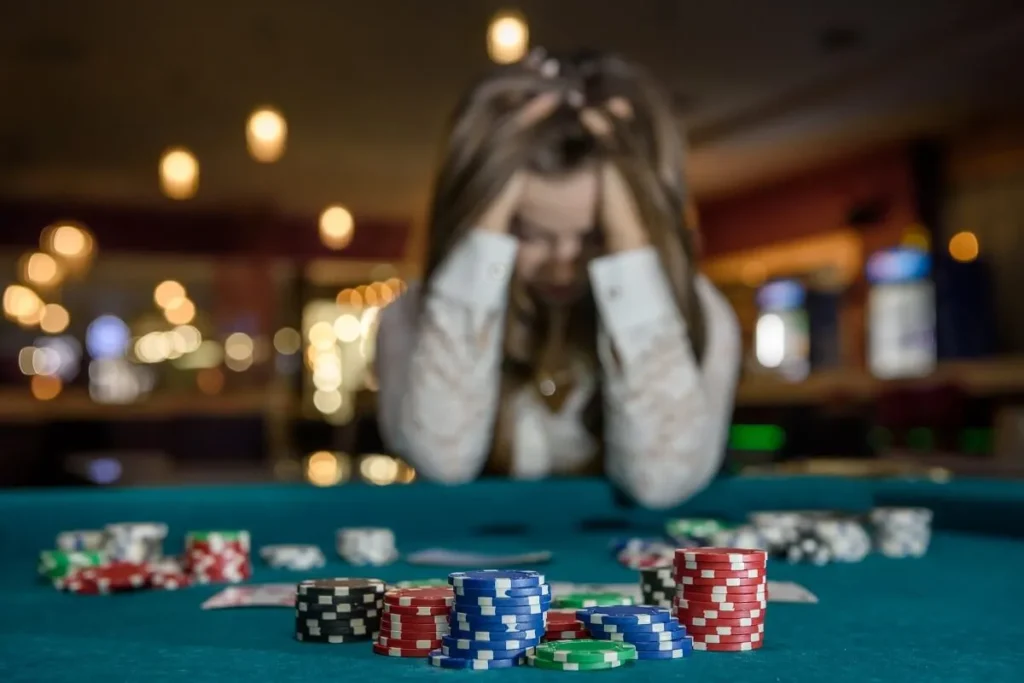
For millions of people worldwide, compulsive behavior can lead to financial ruin, broken relationships, and mental health crises. Fortunately, recovery is possible with the right treatment approach. Cognitive behavioral therapy (CBT) has emerged as a primary therapeutic intervention. It effectively addresses distorted thinking patterns and behavioral compulsions.
GoldCity Center is dedicated to delivering high-quality, patient-centered care. They use up-to-date academic protocols to provide a complete treatment plan. This plan includes aftercare programs, which are key for long-term recovery. By understanding the treatment options available, individuals can take the first step towards recovery. They can begin their journey towards a life free from the grip of compulsive behavior.
Discover a gambling addiction cure that actually works. Explore effective therapy options and medical treatments to reclaim your life today.
Belangrijkste opmerkingen
Effective treatment approaches are available for compulsive behavior.
Cognitive behavioral therapy (CBT) is a primary therapeutic intervention.
A complete treatment plan, including aftercare programs, is essential.
GoldCity Center provides high-quality, patient-centered care.
Recovery is possible with the right treatment approach.
Understanding Gambling Disorder and Its Impact
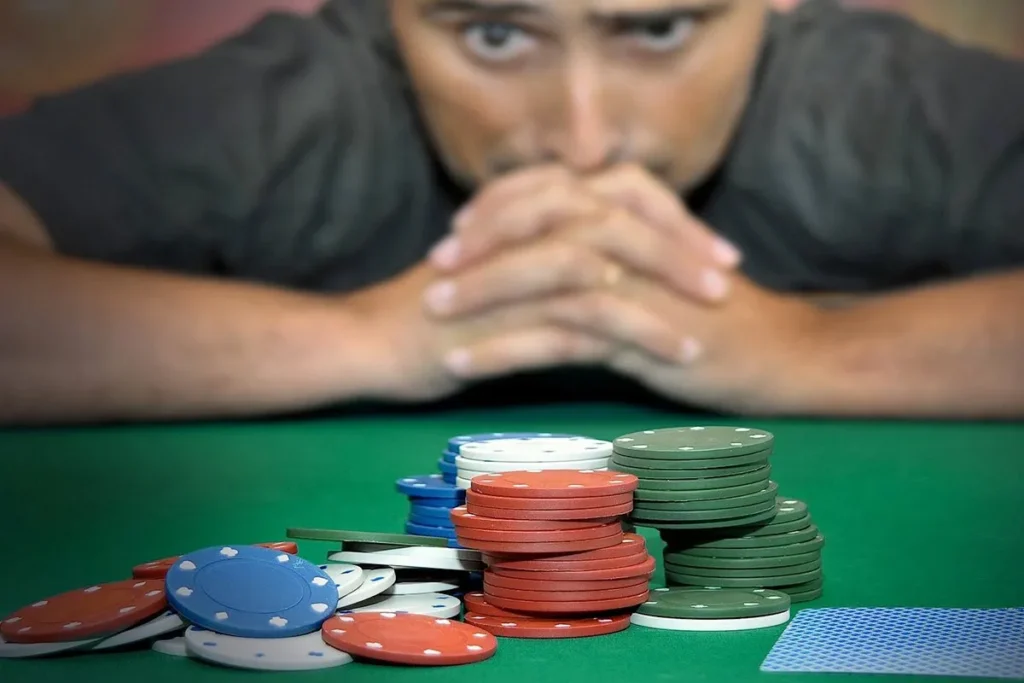
It’s key to understand gambling disorder to help those affected. This condition, also known as pathological gambling, shows a pattern of harmful gambling behavior. It’s persistent and keeps coming back.
De tekenen en symptomen herkennen
Spotting the signs of gambling disorder early is vital. Look out for:
Being obsessed with gambling
Needing to gamble more money
Trying but failing to control or stop gambling
Feeling restless or irritable when trying to cut down
Gambling to avoid problems or to feel better
Accurate diagnosis means looking at how severe these signs are. Cognitive behavioral therapy and other treatments can help manage gambling.
The Prevalence and Consequences in the United States
Gambling disorder is a big problem in the U.S., affecting many. If left untreated, it can lead to serious issues. These include financial problems, mental health issues, and damaged relationships.
Knowing how common and harmful gambling disorder is shows we need better treatments. This includes medication and therapy. By recognizing the signs, people can get help and start their recovery.
Effective Therapy Options for Gambling Addiction Cure
Therapy is key in treating gambling addiction. It offers many ways to help people recover. A good treatment plan mixes different therapies to meet the needs of those with gambling disorder.
Cognitive Behavioral Therapy (CBT) Approaches
Cognitive Behavioral Therapy (CBT) is a top choice for treating gambling addiction. It helps people spot and change negative thoughts and actions linked to gambling. By knowing what triggers their gambling, they can learn to handle urges and avoid relapse.
CBT is usually done one-on-one with a therapist. This allows for tailored advice and support. Techniques might include keeping a diary, learning to relax, and solving problems.
Group Therapy and Support Programs
Group therapy and support groups offer a safe space to share and get support from others. They are key for feeling connected and less alone.
Group sessions, led by a therapist, cover topics like coping and preventing relapse. Support groups like Gamblers Anonymous follow a 12-step program, helping people on their recovery path.
Family and Relationship Counseling
Gambling addiction affects families and loved ones deeply. Family and relationship counseling is vital in treatment. It deals with the emotional and psychological impact on those around the gambler.
Family therapy aims to improve communication and trust. It also helps develop ways to support the person in recovery. Including family in treatment helps the gambler get the support they need, making recovery easier.
Medication and Comprehensive Treatment Strategies
Medication and treatment plans are key to beating gambling addiction. Good treatment mixes medicine, therapy, and support. This mix helps those fighting compulsive gambling.
FDA-Approved and Off-Label Medications
There’s no FDA-approved drug for gambling disorder. But, some meds like SSRIs and naltrexone might help. They could lessen the urge to gamble. More research is needed to find the best treatments.
Medications can also treat mental health issues like depression or anxiety. These often go hand-in-hand with gambling disorder. A good treatment plan looks at the whole person’s mental health.
Residential and Intensive Outpatient Programs
Residential programs offer a safe space for recovery. They have structured therapy and support groups. These help people learn to handle triggers and develop coping skills.
Intensive outpatient programs (IOPs) offer similar support but without needing to stay overnight. They’re great for those who can’t take time off but need a lot of therapy. Both types are key in treating gambling addiction.
Relapse Prevention Techniques
Stopping a relapse is vital for lasting recovery. It involves spotting triggers, learning coping skills, and joining support groups. Aftercare programs offer ongoing help to keep progress and avoid falling back into old habits.
Personalized treatment plans are vital for preventing relapse. Tailoring treatment to each person’s needs helps them stay on the path to recovery.
Conclusion: Creating a Sustainable Recovery Journey
Beating gambling addiction needs a full treatment plan. This includes therapy, medication, and aftercare programs. Knowing how gambling disorder works is the first step to freedom.
A lasting recovery path needs ongoing support and ways to avoid relapse. This includes cognitive behavioral therapy and long-term recovery resources. Each treatment plan should fit the person’s needs for the best results.
Using medication to treat gambling addiction, along with therapy and support, leads to lasting recovery. Aftercare programs offer a safety net. They help keep progress going on the recovery path.
Understanding the need for long-term recovery resources opens the door to a brighter future. It’s about the right treatment and ongoing support. Committing to cognitive behavioral therapy and relapse prevention is key. It leads to a life free from gambling addiction.
FAQ
What is the most effective treatment for gambling addiction?
Cognitive behavioral therapy (CBT) is a top choice for treating gambling addiction. It helps people change negative thoughts that lead to compulsive gambling.
How does cognitive behavioral therapy (CBT) help in treating gambling addiction?
CBT helps people spot triggers and learn new ways to cope. It also changes harmful thought patterns that drive compulsive gambling, leading to recovery.
Are there medications available to treat gambling addiction?
No specific meds are approved for gambling addiction. But, some FDA-approved and off-label meds can help with related mental health issues or symptoms.
What is the role of group therapy and support programs in treating gambling addiction?
Group therapy and support programs offer a safe place to share and get support. They help people find ways to cope and stay on the path to recovery.
How can family and relationship counseling help in treating gambling addiction?
Family and relationship counseling is key. It helps loved ones deal with the effects of gambling addiction. It also builds support for long-term recovery.
What are the benefits of residential and intensive outpatient programs for treating gambling addiction?
Residential and intensive outpatient programs offer a structured setting. They provide therapy and support to help people overcome gambling addiction.
How can relapse prevention techniques help in maintaining long-term recovery?
Relapse prevention techniques, like aftercare programs and ongoing therapy, are vital. They help keep recovery on track and prevent relapse.
What is the importance of aftercare programs in treating gambling addiction?
Aftercare programs offer ongoing support and guidance. They help keep the progress made during treatment and support lasting recovery.
Can gambling addiction be cured?
There’s no definitive “cure” for gambling addiction. But, with the right treatment, including therapy, medication, and support, recovery is possible.
How can I find the right treatment for my gambling addiction?
Understanding the treatment options, like therapy, medication, and support programs, is the first step. It helps start the journey towards a life free from gambling addiction.
Referenties
Nationaal Centrum voor Biotechnologie-informatie. Evidence-Based Medisch Inzicht. Opgehaald van https://pubmed.ncbi.nlm.nih.gov/23152239/