Unlock the transformative power of self-hypnosis and discover a more radiant, confident you. Recent scientific research has validated the effectiveness of this technique, backed by rigorous clinical studies.
Self-hypnosis is a natural state of focused attention and heightened suggestibility. It allows you to access your subconscious mind and introduce positive changes. By leveraging this powerful tool, you can take control of your well-being and unlock your full self-hypnosis.
Belangrijkste opmerkingen
Discover the scientifically-backed benefits of self-hypnosis
Learn how to access your subconscious mind and make positive changes
Understand the clinical evidence supporting self-hypnosis
Unlock your full self-hypnosis and take control of your well-being
Empower yourself with a natural, effective technique for personal growth
The Science Behind Self-Hypnosis
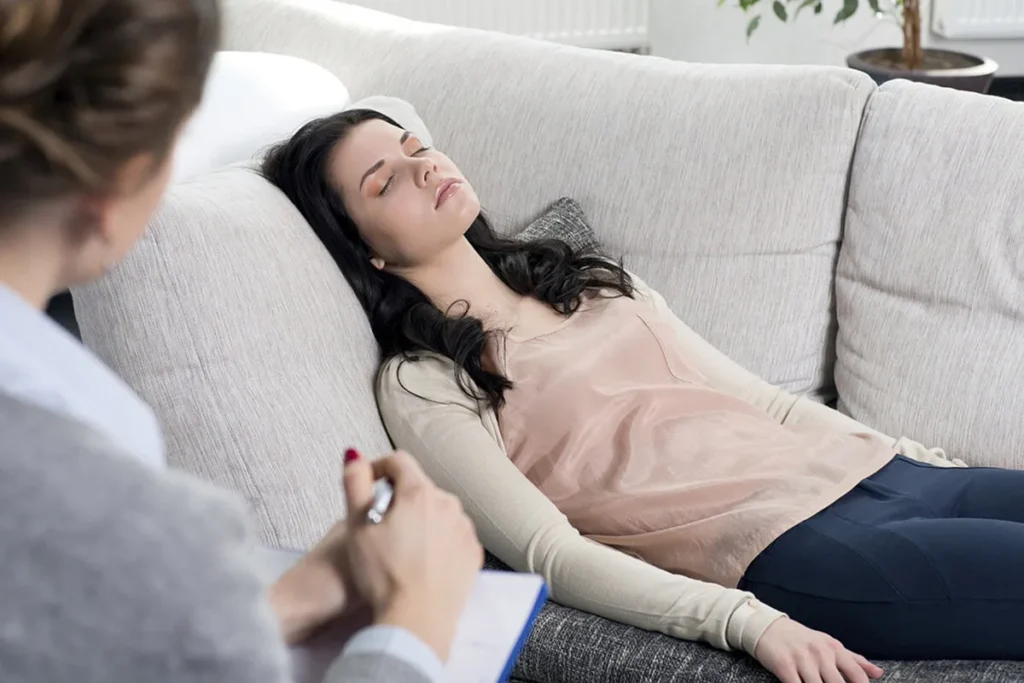
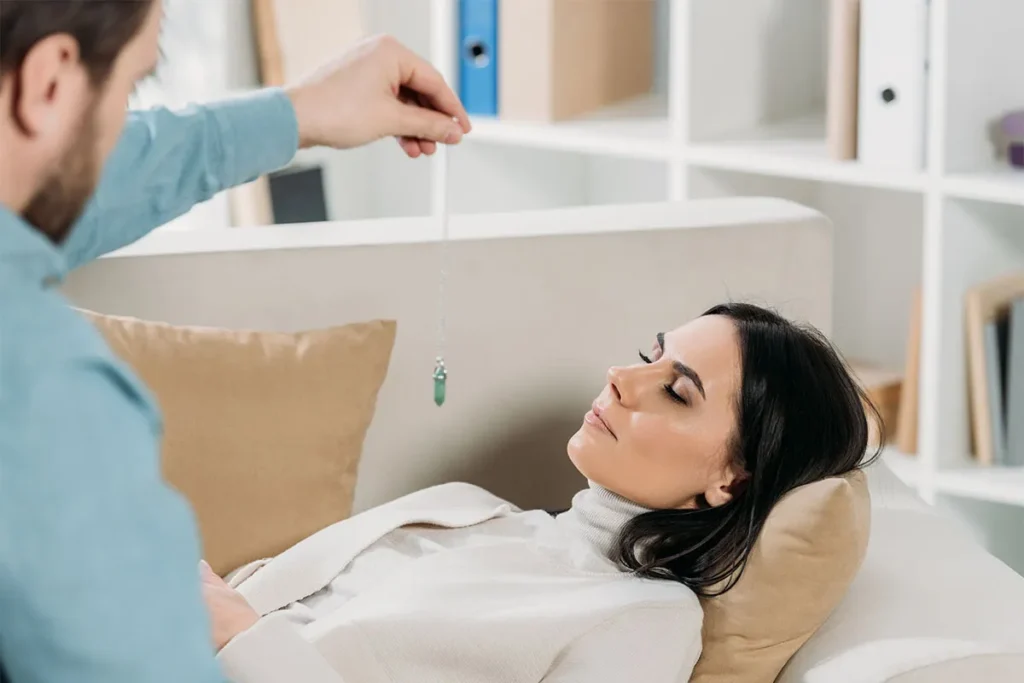
Self-hypnosis works because of how our brains react to it. It’s a state where you focus deeply and become more open to suggestions. You can get into this state through relaxation, imagining scenes, or following a guide.
Thanks to new brain imaging tools, scientists have learned a lot about self-hypnosis. They’ve found that hypnosis changes brain activity, affecting areas that control attention, awareness, and feelings.
Evidence-Based Research Supporting Self-Hypnosis
In the last 20 years, research on hypnosis has gotten much better. Many studies have shown it helps with chronic pain, anxiety, and sleep. It’s a powerful tool to use alongside other treatments.
Looking at all the research, hypnosis is a great help for many problems. It’s good for irritable bowel syndrome, anxiety, and PTSD, among others.
How Self-Hypnosis Works in the Brain
Self-hypnosis changes brain activity in important areas. The part of the brain that checks for errors and handles conflicts is quieter during hypnosis. This makes you more open to suggestions and less critical.
The part of the brain that lets us daydream and think about ourselves is also affected. This lets you relax deeply and focus better.
Knowing how self-hypnosis works in the brain helps us use it to feel better mentally and physically.
How Can You Hypnotize Yourself: Step-by-Step Techniques
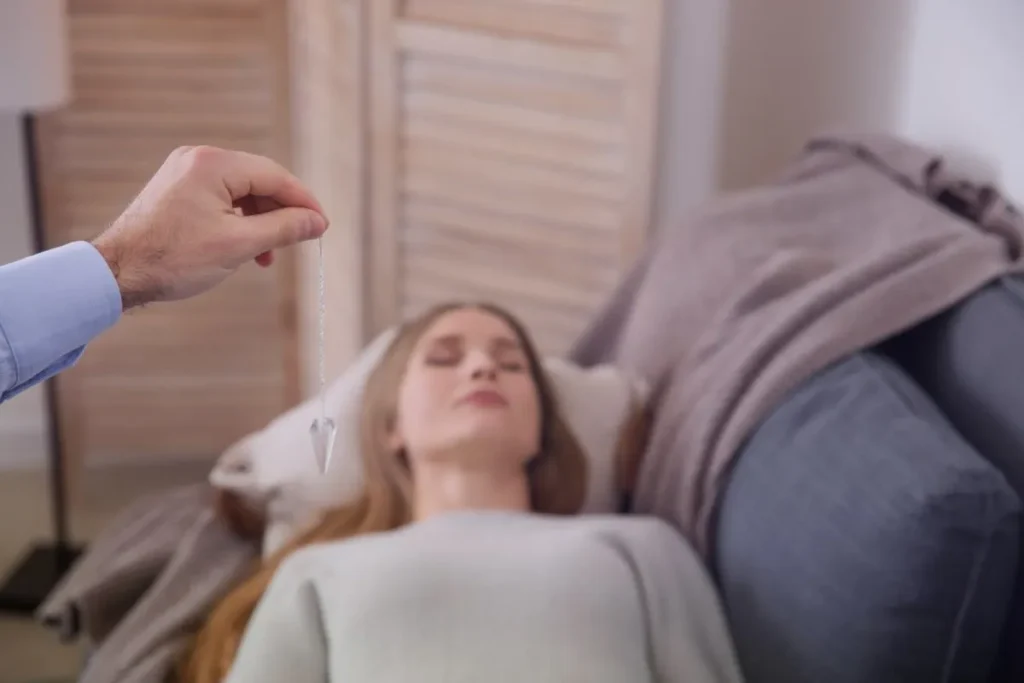
Learning self-hypnosis can greatly improve your mental and physical health. By mastering how to hypnotize yourself, you can manage stress, overcome fears, and reduce chronic pain.
Preparing Your Environment for Self-Hypnosis
To begin your self-hypnosis journey, create a calm environment. Choose a quiet, comfy spot where you won’t be interrupted. Turn off devices, dim lights, or play calming music. This helps you focus inward without distractions.
Progressive Relaxation Induction Method
The progressive relaxation method is a great way to enter a hypnotic state. Start by relaxing your toes and move up to your head. Tensing and relaxing each muscle group makes your body feel heavier and more relaxed.
Visualization Technique for Deepening
After relaxing, use visualization techniques to deepen your state. Imagine yourself in a peaceful place, like a beach or forest. Use all your senses to make this vision real. This will help you reach a deeper hypnotic state.
Crafting Effective Suggestions
The last step is to give yourself positive suggestions while hypnotized. These should be positive, present-tense, and personal. Say something like, “I am calm and can handle any situation.” Repeat these suggestions to let the message deeply impact your subconscious.
By following these steps, you can hypnotize yourself at home. Regular practice will make you better at entering a hypnotic state. This can lead to positive changes in your life.
Applications and Benefits of Self-Hypnosis
Self-hypnosis is a powerful tool with many uses. It helps manage pain and emotional distress. It also boosts overall well-being. By using self-hypnosis, people can see big improvements in their health.
Managing Pain and Emotional Distress
Self-hypnosis is great for managing pain and emotional issues. Clinical evidence shows it’s effective in reducing chronic pain. It also improves mood and quality of life.
Studies prove self-hypnosis can cut down pain and emotional distress. This is true for people with different chronic conditions.
Treating Specific Conditions like IBS
Self-hypnosis works well for irritable bowel syndrome (IBS). Research shows it can lessen IBS symptoms. This includes abdominal pain and irregular bowel movements.
It helps by reducing stress and promoting relaxation. This makes life better for those with IBS.
Establishing a Regular Practice
To get the most from self-hypnosis, make it a regular part of your life. Consistency is key to lasting results. Adding self-hypnosis to your daily routine can help you handle stress better. It can also improve your sleep and outlook on life.
Safety and Possible Side Effects
Self-hypnosis is usually safe, but be aware of possible side effects. Some people might feel drowsy or have vivid dreams after a session. These effects are usually short-lived.
It’s wise to talk to a healthcare professional before starting self-hypnosis. This is true if you have any health issues.
Conclusie
Learning to hypnotize yourself can greatly improve your mental and emotional health. Self-hypnosis is a strong tool for personal growth. It helps change your behavior, thoughts, and feelings.
Regular practice of self-hypnosis can lead to a more balanced life. It can help with pain, emotional issues, or just feeling better overall. Adding self-hypnosis to your self-care routine can be very beneficial.
Starting your self-hypnosis journey requires consistent effort and patience. By mastering self-hypnosis, you can reach your full capacity. This can bring about significant positive changes in your life.
FAQ
What is self-hypnosis and how does it work?
Self-hypnosis lets you enter a hypnotic state by yourself. This way, you can change your thoughts, feelings, and actions. It uses guided imagery and relaxation to reach your subconscious mind.
Is self-hypnosis the same as meditation?
No, self-hypnosis and meditation are different. Self-hypnosis focuses on changing specific things in your mind. Meditation is more about being mindful and calm.
Can anyone learn self-hypnosis?
Yes, anyone can learn self-hypnosis with practice. It’s important to be patient and consistent. Most people can learn it with effort.
How long does it take to see results from self-hypnosis?
Seeing results from self-hypnosis varies. It depends on the person, their goals, and how often they practice. Some see changes quickly, while others take longer.
Can self-hypnosis be used to treat specific medical conditions?
Yes, self-hypnosis can help with many health issues. It’s been shown to work for chronic pain, anxiety, and insomnia. But, always talk to a doctor before using it for health reasons.
Are there any specific side effects or risks associated with self-hypnosis?
Self-hypnosis is usually safe when done right. But, some might feel sleepy or dizzy. Always follow the right steps and talk to a doctor if you’re worried.
How can I hypnotize myself at home?
To hypnotize yourself at home, make a quiet space. Use guided recordings to help you relax. Practice often to get better at it.
What are some effective autohypnosis techniques?
Good autohypnosis techniques include relaxation, visualization, and affirmations. Try different methods to see what works for you. Be patient as you learn.
Referenties
Nationaal Centrum voor Biotechnologie-informatie. Evidence-Based Medisch Inzicht. Opgehaald van https://pubmed.ncbi.nlm.nih.gov/25585343/