When you get a cut, your body starts a complex process. It works to stop bleeding, fight off infection, and fix your skin. Knowing how the wound healing process works is key for good wound care.
For a long time, people thought letting a cut “breathe” and scab was best. But, new studies in dermatology show that keeping wounds moist and covered heals them faster. It also reduces scarring and infection risk.
At GoldCity Center, we stress the science of healing for better wound care. Keeping wounds moist and covered helps you heal healthier and faster.
Belangrijkste opmerkingen
Keeping wounds moist and covered promotes faster healing.
Proper wound care reduces the risk of scarring and infection.
Understanding the wound healing process is key for effective care.
Modern dermatology research has changed the approach to wound healing.
Maintaining a moist environment is key to the healing process.
Understanding How Do Cuts Heal: The Four Phases of Wound Healing
When you get a cut, your body starts to heal right away. This healing process has four main stages: hemostasis, inflammation, proliferation, and maturation and remodeling. Each stage is important for healing the wound and keeping it from getting infected.
Hemostasis – Blood Clotting and Bleeding Control
The first step, hemostasis, happens fast after you get hurt. The body works to stop the bleeding. It does this by making a blood clot, thanks to platelets and the clotting process. This clot seals the wound, stopping more blood loss and keeping out harmful germs.
Inflammation – Immune Response and Debris Removal
After hemostasis, the inflammation phase starts. This is when your immune system fights off the injury. White blood cells go to the wound to clean it up by removing dirt, bacteria, and damaged tissue. This step is key to avoiding infection and getting ready for healing.
Proliferation – New Tissue Formation and Skin Rebuilding
The proliferation phase is about fixing the damaged tissue. Here, the body makes new tissue, like granulation tissue, which is full of blood vessels and collagen. The wound starts to shrink, and new skin begins to cover it.
Maturation and Remodeling – Scar Development
The last phase, maturation and remodeling, can take a long time. In this phase, the new tissue gets stronger, and the scar gets better. The collagen fibers are rearranged to make the skin stronger, but the scar won’t be as strong as the original skin.
Knowing about these four stages helps us understand how amazing our bodies are at healing. Each stage is essential for healing, and any problem can cause issues.
Proper Wound Care for Optimal Healing
Healing a cut starts with good wound care. This is the base for a smooth recovery. Following these steps can help a lot in the healing process.
Immediate First Aid for Fresh Cuts
First, you need to stop the bleeding. Use a clean cloth or bandage to apply gentle pressure. If you can, elevate the injured area above your heart.
Once the bleeding stops, rinse the wound with cool or lukewarm water. This removes dirt and debris.
Make sure to clean your hands before touching the wound. This prevents infection. Don’t use harsh soap or cleansers that could irritate the wound.
Cleaning and Disinfecting the Wound
Cleaning the wound is key to prevent infection. Use mild soap and water to clean around the wound. Avoid harsh scrubbing to not damage tissue and slow healing.
For disinfecting, use hydrogen peroxide carefully. Too much can slow healing. After cleaning, apply a thin layer of petroleum jelly (Vaseline) to keep it moist and promote healing.
Bandaging Techniques and When to Cover a Cut
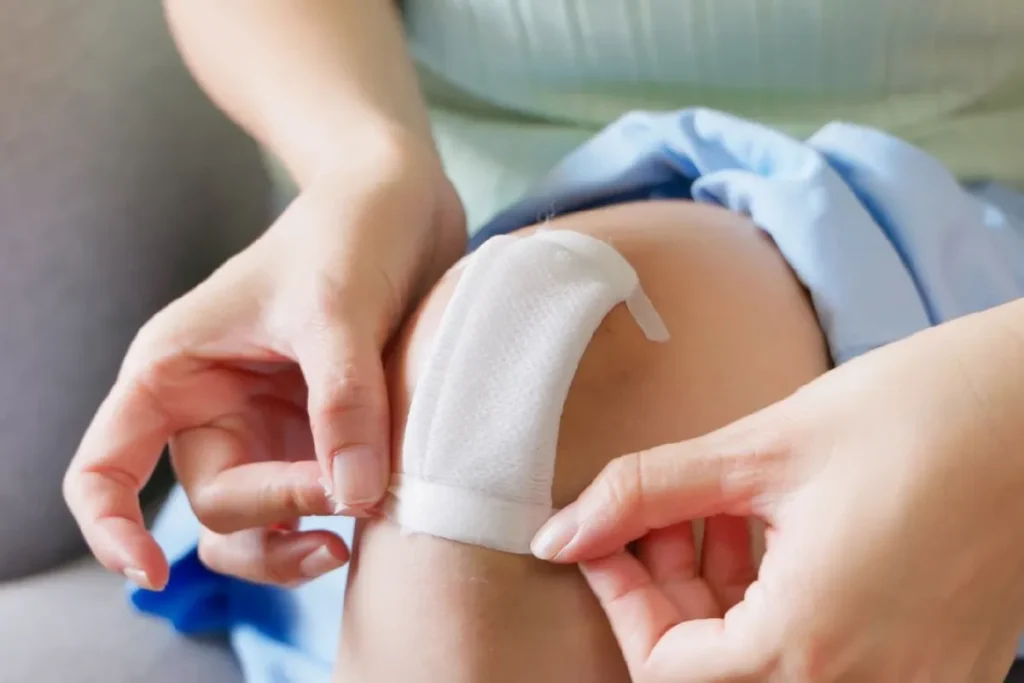
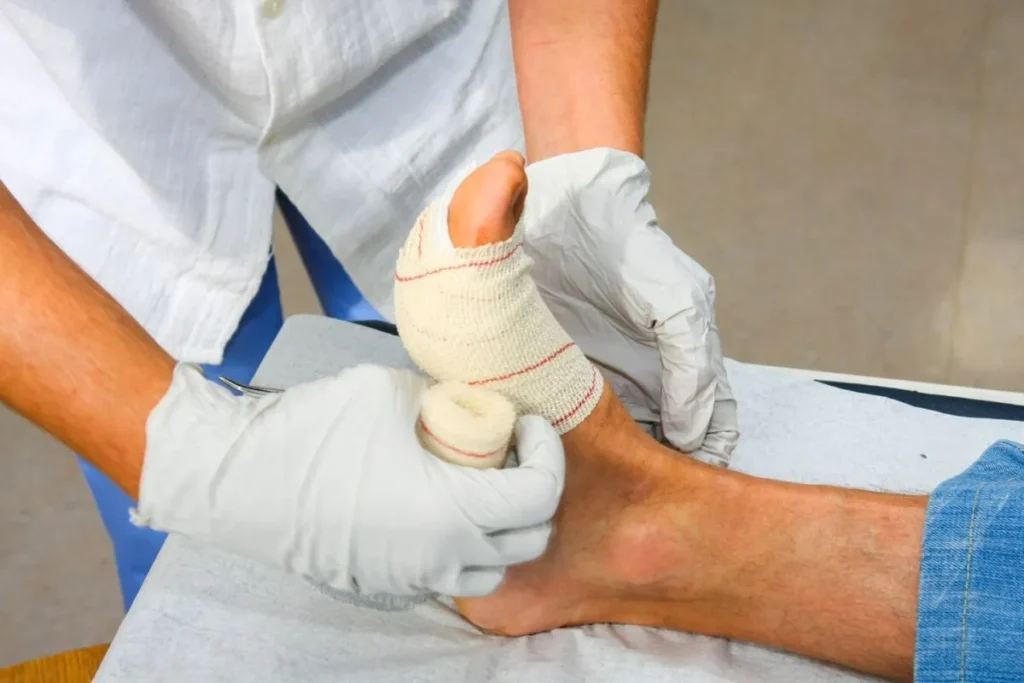
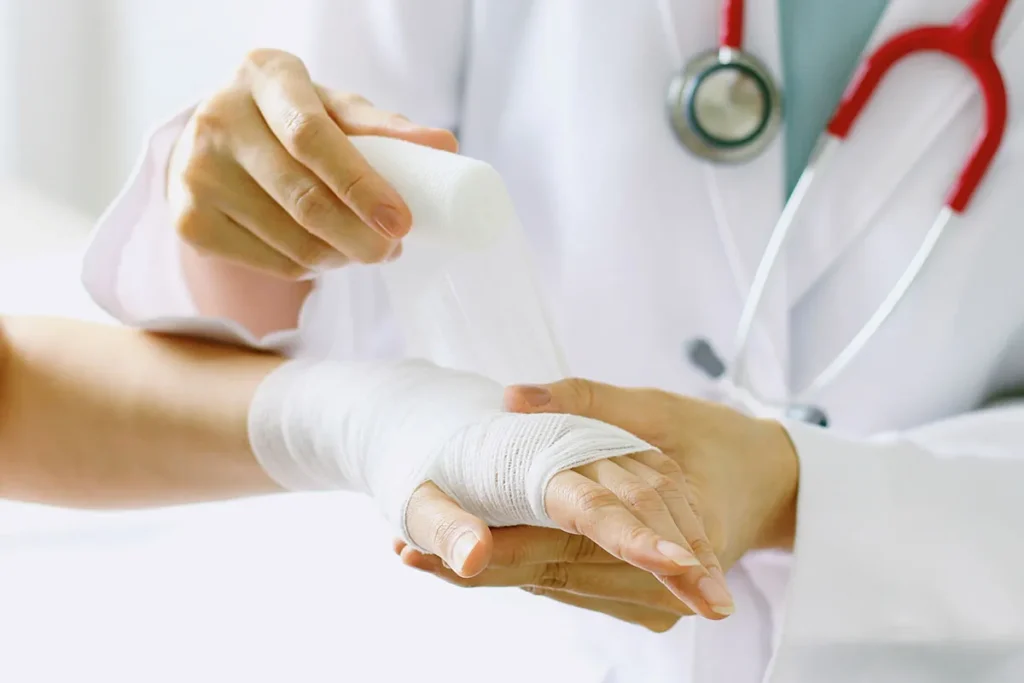
Covering a wound protects it from irritation and infection. Use a breathable bandage that won’t stick. Change the dressing daily or when it gets wet or dirty.
Decide to cover a cut based on its location and size. Cuts on hands, feet, or face need special care. For small cuts, a simple band-aid is enough.
Signs of Infection and When to See a Doctor
Watch for signs of infection. Look for increased redness, swelling, warmth, or pus. Fever is also a warning sign. If you see these, get medical help.
By following these wound care tips, you can lower the risk of problems and help your cut heal better.
Conclusie
Knowing how wounds heal is key to getting better fast. There are four main stages: hemostasis, inflammation, proliferation, and maturation. Understanding these helps you take better care of your wounds.
At Siperstein Dermatology Group, experts stress the need for good wound care. This helps wounds heal well and avoids problems. By using the right care, you help your body heal better.
The healing of cuts goes through many stages, from scabbing to fully healing. Knowing these stages lets you track your healing and spot any problems early.
With the right knowledge and care from experts like those at Siperstein Dermatology Group, you can get the best healing results. Your journey to healthy, glowing skin begins with understanding and caring for your wounds.
FAQ
What is the wound healing process?
The wound healing process is how our body fixes injuries. It has four main steps: hemostasis, inflammation, proliferation, and maturation and remodeling. These steps work together to heal and fix damaged tissue.
How do wounds heal?
Wounds heal through a complex process. Many cell types, growth factors, and molecular signals work together. They help repair and regenerate tissue, fixing the skin’s barrier function.
What happens to your skin when you get a cut?
When you get a cut, your skin’s barrier is broken. This starts the wound healing process. It includes bleeding, clotting, inflammation, and tissue repair to fix the skin.
How can I promote faster healing and reduce scarring?
To heal faster and reduce scarring, keep your wound moist and covered. Avoid picking at scabs. Also, practice good wound care, like cleaning and disinfecting regularly.
What are the signs of infection, and when should I see a doctor?
Signs of infection include redness, swelling, pain, or pus around the wound. Also, fever or chills are signs. If you see these, see a doctor quickly to avoid problems.
How long does the wound healing process take?
The healing time varies. It depends on the wound’s size and depth, and your health and nutrition. Wounds can heal in days to weeks.
Can I speed up the wound healing process?
While healing is complex, you can help it along. Practice good wound care, eat well, stay hydrated, and manage stress. These steps support healing.
How does the body heal a cut?
The body heals cuts through teamwork. Many cell types, growth factors, and signals work together. They go through four phases: hemostasis, inflammation, proliferation, and maturation and remodeling.
Referenties
Nationaal Centrum voor Biotechnologie-informatie. Evidence-Based Medisch Inzicht. Opgehaald van https://pubmed.ncbi.nlm.nih.gov/19832602/