

Opioids are a type of medication that greatly affects the brain and body, mainly in pain management. They work by activating opioid receptors on nerve cells in the brain, spinal cord, and body. This action blocks pain signals, helping those with acute or chronic pain.
Studies reveal that opioids connect with specific receptors, like mu, delta, and kappa receptors. These receptors are part of the G protein-coupled receptor family. This connection with nerve cells stops pain signals from reaching the brain, preventing pain while the drug is active.
Opioids also cause feelings of euphoria or intense pleasure by affecting the brain’s reward and pleasure centers. Knowing how opioids work is key to understanding their role in pain relief and their risk for addiction.
Belangrijkste opmerkingen
Opioids interact with nerve cells to reduce pain signals.
Opioids bind to specific receptors, including mu, delta, and kappa receptors.
Opioids can create feelings of euphoria or intense pleasure.
Understanding opioid action is vital for pain management and addiction prevention.
Opioids have a significant impact on the brain and body.
Understanding Opioid Receptors and Mechanisms

Opioids interact with specific receptors in our brains and bodies. This interaction is key to understanding their effects. Whether they are natural or made in a lab, opioids work by binding to these receptors.
Types of Opioid Receptors: Mu, Delta, and Kappa
There are three main opioid receptors: mu, delta, and kappa. These receptors belong to a larger family called G protein-coupled receptors (GPCRs). Mu receptors are linked to pain relief and addiction. Delta receptors help with pain and emotions. Kappa receptors affect pain, mood, and more.
Opioid receptors are found in many parts of our bodies. They control functions like pain, breathing, and digestion. These receptors can’t tell the difference between natural opioids like endorphins and lab-made ones like fentanyl.
G Protein-Coupled Receptors and Signal Transmission
G protein-coupled receptors are proteins that span cell membranes. They help send signals from outside to inside the cell. When opioids bind to these receptors, they start a chain of events. This can lead to pain relief, feeling good, and breathing problems.
When opioids activate GPCRs, it sets off a series of signals inside the cell. These signals lead to the effects we want from opioids. Scientists are studying these pathways to make better, safer opioids.
How Do Painkillers Work: Opioid Effects on the Brain
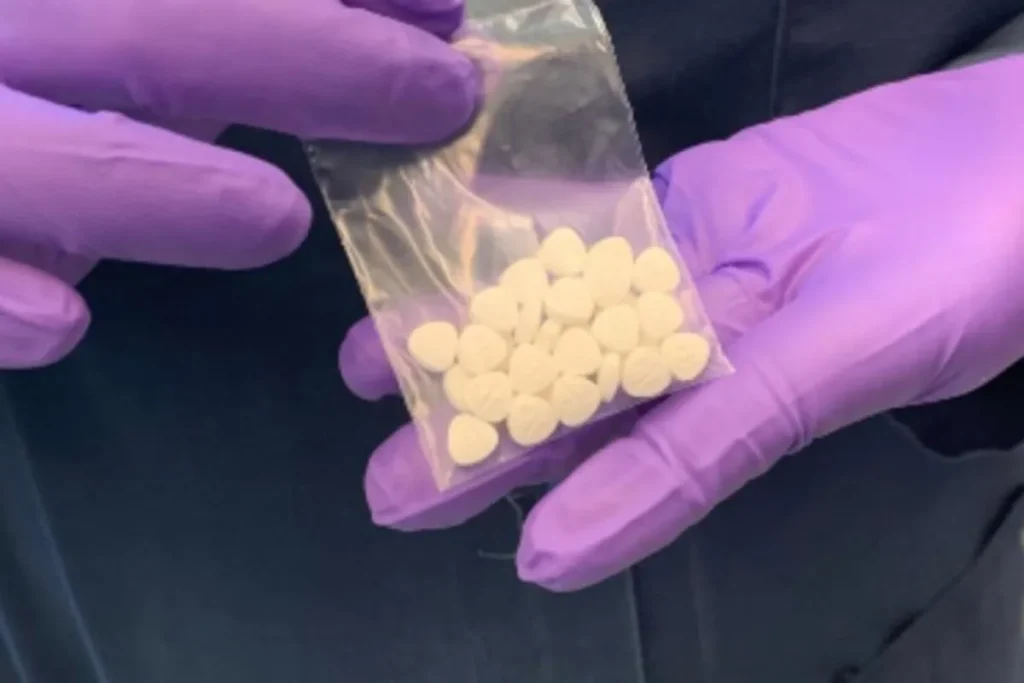
It’s important to know how opioids work in the brain. This knowledge helps us understand their benefits and risks. Opioids interact with opioid receptors in the brain, which are key to their pain-relieving and euphoric effects.
Pain Signal Blockage in Neural Pathways
Opioids reduce pain by binding to opioid receptors in pain pathways. This action blocks pain signals from reaching the brain, giving relief from pain. The main way they work involves:
Blocking pain signals at the spinal cord level, preventing them from reaching the brain.
Reducing the emotional component of pain through actions on the limbic system.
Activation of Reward Pathways and Dopamine Release
Opioids activate reward pathways, leading to dopamine release. Dopamine is a neurotransmitter linked to pleasure. This dopamine surge causes the euphoric high often associated with opioid use. Key points include:
The mesolimbic dopamine system is a critical pathway involved in the rewarding effects of opioids.
Dopamine release reinforces the behavior associated with opioid use, contributing to addiction.
Euphoria and Relaxation: The Neurochemical Response
The neurochemical response to opioids involves a complex interplay of neurotransmitters and receptors. The euphoria and relaxation opioids cause come from activating opioid receptors and releasing dopamine. This response is key to both their benefits and risks.
Understanding how opioids affect the brain helps us tackle opioid use disorder. It also aids in developing more effective treatments.
Opioid Effects on the Body and Clinical Implications
Opioids have deep effects on the body, whether they’re natural or made in a lab. It’s key to understand these effects for medical reasons.
The body makes endogenous opioids, like endorphins, which we get from exercise and fun activities. But, synthetic opioids like morphine and fentanyl work differently in the brain. This difference is important for medical use.
Natural vs. Synthetic Opioids in the Body
Natural opioids, or endorphins, help us deal with pain and feel good. On the other hand, synthetic opioids are made in labs and can be more powerful. They can activate intracellular receptors too, which might make them more addictive.
The gap between natural and synthetic opioids goes beyond where they come from. It also includes how they work and their effects on us. Knowing these differences helps us tackle opioid addiction and manage pain better.
Intracellular Receptor Activation and Addiction Risk
Synthetic opioids can reach inside cells, which makes them more effective and addictive. This inside action can start a chain of signals that boosts their impact. This is why they’re more likely to be misused.
The impact of opioids, mainly synthetic ones, is big in medicine. They can cause side effects like sleepiness, confusion, and feeling high. The danger of addiction is a big worry. Knowing how opioids work helps us find better ways to treat them.
Conclusie
Opioids affect both the brain and body deeply. It’s key to know how they work and their effects. To manage pain with opioids, we need a balanced approach. This balance helps with pain relief while also considering the risk of addiction.
Opioid use disorder is a complex issue. It needs a treatment plan that includes many parts. This plan often includes medicines and behavioral therapies. Medicines like methadone, buprenorphine, and naltrexone help with withdrawal symptoms and cravings.
Healthcare providers must understand the risks and benefits of opioids. This knowledge helps them create treatment plans that fit each person. With the right plan, those struggling with opioid use disorder can find relief and support.
FAQ
How do opioids work on the brain and body?
Opioids bind to opioid receptors in the brain and body. This blocks pain signals. It also makes you feel good by activating reward pathways.
What are opioid receptors and how do they work?
Opioid receptors are proteins in cells that send signals. There are mu, delta, and kappa types. They are part of the G protein-coupled receptor family.
How do opioids affect pain signal transmission?
Opioids block pain signals by binding to opioid receptors. This provides relief from pain.
Why do opioids give people a feeling of euphoria?
Opioids activate reward pathways in the brain. This leads to dopamine release. Dopamine makes you feel good and relaxed.
What’s the difference between natural and synthetic opioids?
Natural opioids, like endorphins, are made by the body. Synthetic opioids are made in labs. Synthetic opioids are stronger and can be more addictive.
How do opioids impact the body’s response to pain?
Opioids block pain signals and activate reward pathways. This offers relief for acute or chronic pain.
What is the role of dopamine in opioid use?
Dopamine is released when opioids activate reward pathways. This creates feelings of euphoria and relaxation. It’s key to both the benefits and risks of opioids.
How do opioids make you feel?
Opioids make you feel euphoric, relaxed, and pain-free. They do this by activating reward pathways and blocking pain signals.
What do opioids do to the body?
Opioids relieve pain, create euphoria, and relax the body. But, they can also lead to addiction when misused.
How do painkillers work?
Painkillers, like opioids, block pain signals. This provides relief from pain.
Referenties
Nationaal Centrum voor Biotechnologie-informatie. Evidence-Based Medisch Inzicht. Opgehaald van https://pubmed.ncbi.nlm.nih.gov/22038508/