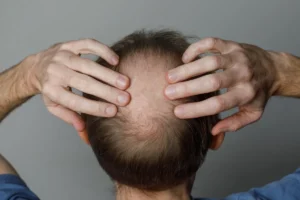

Stress affects nearly one in three people worldwide. It costs the global economy over $1 trillion each year. Chronic stress can lead to heart disease, depression, memory problems, and weight gain. Small daily changes can help balance your body and mind.
GoldCity Center knows managing stress is key to your health and happiness. This article shares seven stress reduction techniques backed by science. These methods can help you control your stress levels and improve your life. For more tips, visit 7 steps to manage stress and build.
How to manage stress and stay happy? Discover seven amazing and effective techniques to lower anxiety and live a more peaceful, vibrant life.
Belangrijkste opmerkingen
Understand the importance of stress management for overall health.
Learn seven effective techniques to lower stress and improve well-being.
Discover how small daily changes can make a significant difference.
Explore the benefits of incorporating stress reduction methods into your daily routine.
Take control of your stress levels and enhance your quality of life.
The Hidden Cost of Stress in Modern Life
Stress has many hidden costs, affecting both people and the world’s economy. It’s not just a personal issue. It’s a big problem that affects our health and how productive we are.
Global Impact: The $1 Trillion Problem
The World Health Organization says stress, depression, and anxiety cost the global economy $1 trillion each year. This is because of 12 billion lost workdays. It shows we need better ways to handle stress.
Learning how to handle pressure and stress and control is key for everyone. It’s important for both individuals and companies.
Lichamelijke en geestelijke gezondheidsgevolgen
Stress is a big risk for heart disease. It can also increase blood pressure, cholesterol, or blood sugar. It can make heart conditions worse and raise the risk of heart attacks or strokes.
Chronic stress can also lead to anxiety and depression. It’s vital to find ways to release the stress and prevent stress and anxiety.
Knowing the health risks of stress is the first step to managing it. By understanding these risks and taking action, we can improve our health. This also helps reduce the economic cost of stress worldwide.
Physical Techniques to Manage Stress
Physical techniques are a great way to handle stress. They help both your body and mind. Adding these to your daily routine can lower anxiety and boost your well-being.
Deep Breathing and Relaxation Exercises
Deep breathing is a simple yet effective stress reliever. It calms your mind and body. Harvard Medical School found that mindfulness meditation, which includes deep breathing, can cut cortisol levels by up to 25% in eight weeks.
Regular Physical Activity
Exercise is a top stress reliever. It helps your body deal with stress hormones and boosts your mood quickly. Regular exercise not only lowers stress but also improves your physical and mental health. Find an activity you love to make it a lasting part of your routine.
Progressieve spierontspanning
Progressive muscle relaxation involves tensing and relaxing muscles. It reduces physical tension, promotes relaxation, and improves sleep. By focusing on each muscle group, you can release tension and relax deeper.
Let’s look at how these techniques compare:
By using these physical techniques daily, you build a strong stress management toolkit. They help reduce anxiety, improve mood, and make you feel more relaxed. Start with these methods to live a less stressful life.
Mental and Emotional Approaches to How to Manage Stress

Exploring different mental and emotional strategies is key to managing stress. These methods help people deal with stress better and live a less stressful life.
Mindfulness Meditation
Mindfulness meditation is a great way to manage stress. It helps you stay in the present moment, avoiding worries about the past or future. Regular practice can greatly lower stress levels.
Benefits of Mindfulness Meditation:
Reduces anxiety and depression
Verbetert emotionele regulatie
Enhances self-awareness
Cognitive Restructuring
Cognitive restructuring changes how we think about stressful situations. By turning negative thoughts into positive ones, we can lower our stress response and look at things more positively.
Time Management and Boundary Setting
Good time management and setting boundaries are key to reducing stress. By focusing on important tasks and setting achievable goals, we can avoid feeling overwhelmed.
Tips for Effective Time Management:
Prioritize tasks based on importance and urgency
Set realistic goals and deadlines
Learn to say “no” to non-essential tasks
By using these mental and emotional strategies every day, we can lower our stress levels and improve our well-being.
Lifestyle Changes for Long-Term Stress Management

To manage stress well, it’s key to make lifestyle changes that boost your well-being. Adding healthy habits to your daily life can make you more resilient to stress. This can also improve your life quality.
Healthy Sleep and Nutrition Habits
Getting enough rest is vital for resilience. Try to sleep between seven to nine hours each night. This helps your body and mind heal from daily stress. Eating a balanced diet, full of fruits, veggies, and whole foods, also helps manage stress. It gives your body the nutrients it needs to stay healthy.
Nutritional Guidelines for Stress Management:
Implementing These Techniques in Your Daily Life
To make stress management a lasting habit, you need to add these lifestyle changes to your daily routine. Begin by setting achievable goals, like better sleep or more balanced meals.
Establish a consistent sleep schedule to regulate your body’s internal clock.
Plan your meals in advance to ensure you’re getting a balanced diet.
Blijf gehydrateerd door de hele dag door veel water te drinken.
By choosing these healthy lifestyle options, you can lower your stress levels and boost your overall well-being.
Conclusie
Managing stress is a journey that needs dedication and the right methods. By using the 7 effective techniques we’ve talked about, you can handle stress better. This helps improve your overall health and happiness.
Using a mix of physical and mental strategies, along with healthy habits, is key. This includes deep breathing, mindfulness, and good sleep and nutrition. It helps you manage stress well and feel more in control.
Begin your path to a less stressful life today. Start using these techniques and take the first step towards a healthier, more balanced you. With the right mindset and tools, you can manage stress and become a more confident, radiant person.
Veelgestelde vragen
How do I handle stressful situations effectively?
To handle stress well, prepare ahead, know yourself, and use stress management. Try deep breathing, muscle relaxation, and meditation. These help you deal with stress better.
What are some stress lowering techniques I can try?
Try regular exercise, meditation, and changing your thoughts. These can lower stress and make you feel better.
How can I relieve anxiety and stress?
To ease anxiety and stress, use physical methods like deep breathing. Also, try meditation and changing your thoughts. Don’t forget to eat well and sleep enough.
What are some effective stress reduction methods?
Good ways to reduce stress include meditation, exercise, and healthy habits. These can make you feel less stressed and better overall.
How do I prevent stress and anxiety?
To avoid stress and anxiety, be proactive. Set realistic goals, manage your time well, and live healthily. This way, you can control your stress levels.
What stress tools can I use to manage stress?
Use mindfulness apps, stress trackers, and relaxation methods like deep breathing. These tools can help you manage stress and feel better.
How can I release the stress I’ve been feeling?
To release stress, use physical, mental, and emotional methods. Meditation, changing your thoughts, and exercise can help. They reduce tension and stress.
How do I deal with stress and anxiety at work?
At work, manage your time well, set boundaries, and use stress tools like deep breathing. This way, you can control your work stress and feel better.
Referenties
Natuur. Evidence-Based Medisch Inzicht. Opgehaald van https://www.nature.com/articles/ncponc1184