
Millions of people worldwide face challenges with alcohol use disorder. This is a big public health issue. If you’re wondering how to stop drinking or looking for tips on stopping drinking, you’re not alone. The path to sobriety is possible with the right support and guidance. How to stop drinking and change your life? Follow these seven powerful, practical steps to achieve amazing sobriety and lasting happiness now.
About 28 million Americans aged 12 and older struggle with alcohol use disorder. Sobriety is more than just quitting. It’s about finding yourself again and getting your peace back. This guide offers 7 practical steps to help you live a healthier, more hopeful life. For more help, consider talking to professionals at Hazelden Betty Ford.
Belangrijkste opmerkingen
Understand the prevalence of alcohol use disorder and its impact.
Learn practical steps to achieve sobriety.
Discover the importance of support systems in recovery.
Explore the benefits of a complete guide to quitting alcohol.
Find resources for professional help and guidance.
Stoornis in alcoholgebruik begrijpen

Recognizing the signs and consequences of alcohol use disorder is the first step towards recovery. It affects not only the individual but also their loved ones and community.
If you’re wondering, “How do I stop drinking alcohol safely?”—this is your first step. Understanding the problem and its health impacts is key to overcoming alcohol use disorder.
The Scale of the Problem in America
Alcohol use disorder is a big public health issue in the U.S. Millions of Americans are affected, leading to severe health problems and relationship issues. The Centers for Disease Control and Prevention (CDC) says excessive alcohol use causes over 140,000 deaths each year.
The economic costs of alcohol use disorder are huge, with annual costs in the hundreds of billions. This includes healthcare, lost productivity, and other societal impacts. Knowing the scale of this problem helps in finding effective solutions.
Health Impacts of Excessive Drinking
Excessive drinking can cause serious health problems. It can lead to liver disease, heart issues, certain cancers, and mental health disorders. The National Institute on Alcohol Abuse and Alcoholism (NIAAA) says long-term heavy drinking can cause liver damage and other serious conditions.
It can also harm cognitive function, increase accident risks, and lead to risky behaviors. Understanding these risks is key to seeking help to reduce or stop drinking.
Research shows that combining medication with counseling can help people reduce heavy drinking or stay sober. This approach has a success rate of 50-60%, which is encouraging for those trying to overcome alcohol use disorder.
If you’re thinking about quitting drinking on your own, talk to a doctor first. They can decide if detoxing at home is safe or if you need supervised care. Withdrawal symptoms can be serious, so your health needs careful attention.
Your journey to sobriety begins with understanding the problem and seeking the right help. By acknowledging the risks and exploring ways to stop drinking, you can start a healthier, more fulfilling life.
How to Stop Drinking: 7 Practical Steps
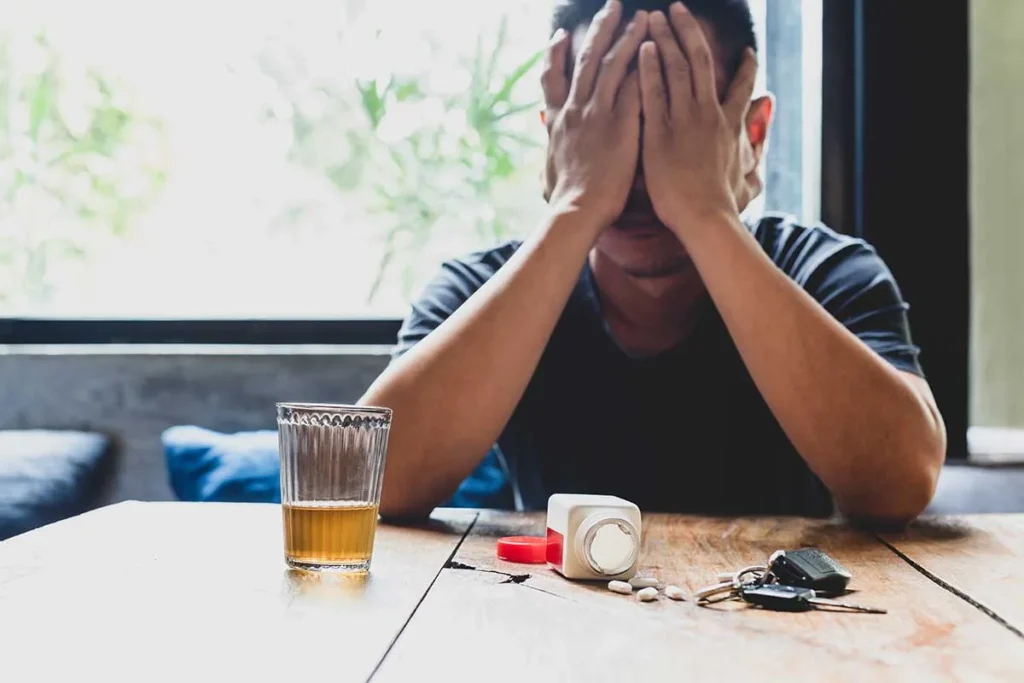
Stopping drinking is a big change that tackles physical, emotional, and social sides of alcohol use. It’s a tough journey, but with the right steps, it’s doable.
Step 1: Acknowledge the Problem
The first step is to see that there’s a problem. You must understand how alcohol affects your life and accept the need for change. Acknowledgment is a powerful tool for starting your recovery.
Step 2: Set Clear, Achievable Goals
Setting clear goals is key to stopping drinking. You might aim to quit by a certain date, drink less, or avoid places where you usually drink. Having a clear plan keeps you focused and motivated.
Step 3: Remove Alcohol from Your Environment
Getting rid of alcohol at home and avoiding places where people drink is a smart move. It reduces the urge to drink. For more tips, check out Drinkaware on stopping drinking completely.
Step 4: Build a Support System
Having a support system is essential for those trying to stop drinking. This can include family, friends, support groups, or professional help. Sharing your goals and progress with others can keep you motivated. Here are some key elements of a strong support system:
Family and friends who understand your goals
Support groups, either online or in-person
Professional counseling or therapy
Telling your support system about your goals can greatly help your success. Ask for their support in your journey to stop drinking.
By following these steps, you can create a strong plan to stop drinking and stay sober. It’s a journey that needs patience, commitment, and the right support. But the benefits are worth the effort.
Conclusion: Your Journey to Sobriety
Starting your journey to sobriety is a brave step towards a better life. With the right support and strategies, you can beat alcohol use disorder. Follow the 7 practical steps in this guide to take control of your life and find ways to stop drinking.
You’re not alone in this journey. Hazelden Betty Ford offers caring, expert help to stop drinking and start living. Whether you’re ready for treatment or just exploring options, we’re here to help. An estimated 29.3 million U.S. adults have overcome a significant alcohol problem, showing recovery is possible with the right support.
Start your journey to sobriety today. With the right mindset and resources, you can overcome drinking and live a more fulfilling life. Find out how to overcome drinking and stop alcohol use with the help of caring professionals.
FAQ
What are the best ways to stop drinking alcohol?
Acknowledge the problem, set clear and realistic goals, remove alcohol from your home, avoid triggers, and build a strong support system. Creating new routines helps replace drinking habits.
How do I quit drinking on my own?
Start by limiting or stopping alcohol completely, tracking your progress, identifying triggers, and using healthy coping skills like exercise, journaling, or meditation. Structure and consistency are key.
What are some tips on stopping drinking?
Eat regular meals, stay hydrated, plan alcohol-free activities, avoid high-risk situations early on, and remind yourself why you chose sobriety.
How can I avoid liquor when stopping drinking?
Avoid places and people that encourage drinking, keep non-alcoholic drinks available, practice saying no, and leave situations if cravings feel overwhelming.
What are the benefits of stopping drinking?
Benefits include better sleep, improved mental clarity, more energy, better physical health, stronger relationships, and improved emotional stability.
How can I stay on track with my sobriety?
Set daily intentions, celebrate small milestones, seek accountability, manage stress in healthy ways, and return to your plan if you slip without giving up.
What resources are available to help me stop drinking?
Resources include support groups (online or in person), counseling, therapy, recovery apps, and medical professionals for guidance and monitoring.
How to quit drinking alcohol naturally?
Focus on lifestyle changes such as proper nutrition, exercise, mindfulness, sleep, hydration, and stress management while reducing exposure to triggers and building healthy habits.
Referenties
National Institutes of Health. Evidence-Based Medisch Inzicht. Opgehaald van https://www.niaaa.nih.gov/alcohols-effects-health/alcohol-topics/alcohol-facts-and-statistics/alcohol-use-disorder-aud-united-states-age-groups-and-demographic-characteristics