
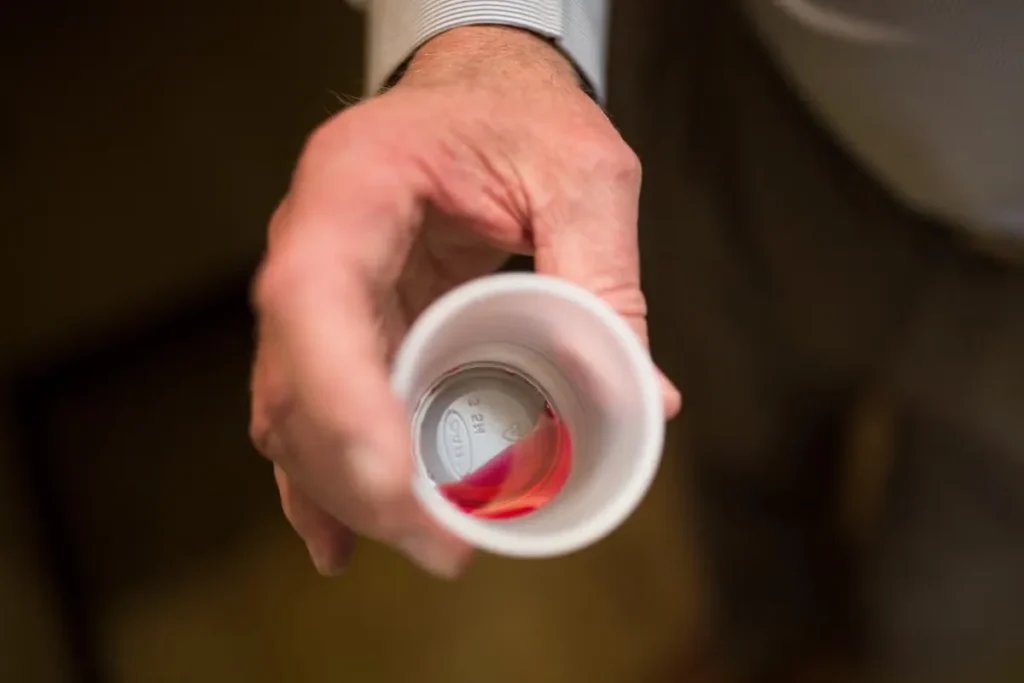
Methadone is a synthetic opioid used to treat chronic pain and opioid use disorder. It’s classified as an opioid, but it works differently than street drugs like heroin and fentanyl. Knowing how it works in treatment programs is key for both patients and healthcare providers.
GoldCity Center focuses on patient-centered care for addiction treatment. By learning about methadone facts and its role, we can see its value in fighting substance abuse.
Belangrijkste opmerkingen
Methadone is a synthetic opioid used to treat chronic pain and opioid use disorder.
It functions differently from street opioids like heroin and fentanyl.
Methadone is used in medication-assisted treatment (MAT) programs.
GoldCity Center provides patient-centered care for addiction treatment.
Understanding methadone’s role is key for effective addiction treatment.
Is Methadone an Opioid? Understanding the Facts
To answer if methadone is an opioid, we need to know what it is and how it works. Methadone is a man-made drug used for two main things: treating opioid use disorder and managing chronic pain. It plays a key role in helping people beat opioid addiction.
What is Methadone?
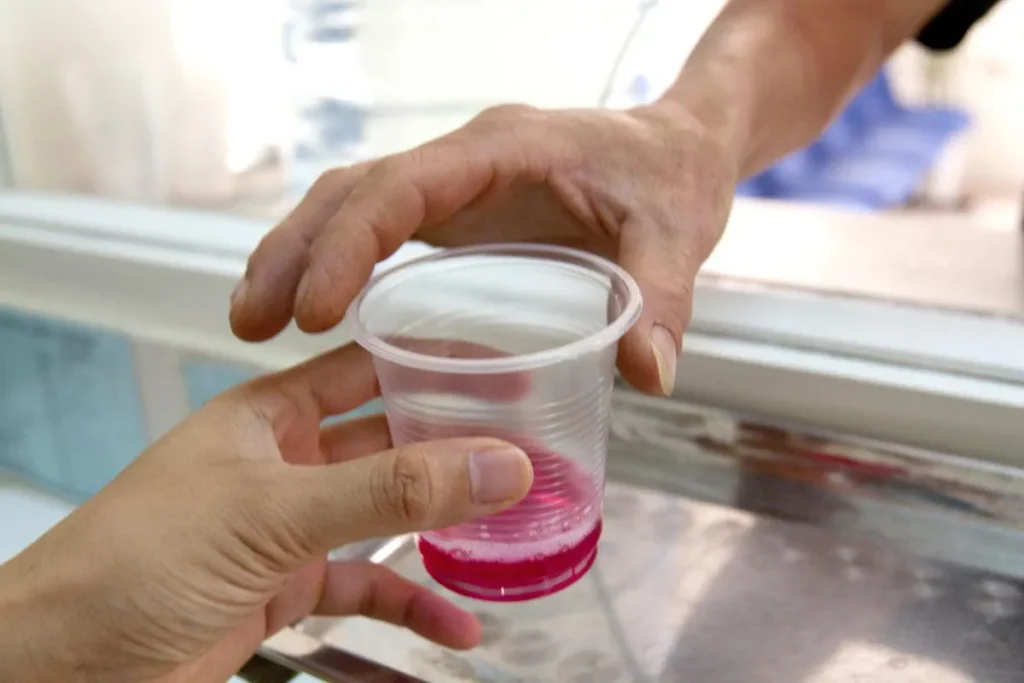
Methadone is only available by prescription and comes as a green liquid or injection. It helps by reducing heroin withdrawal symptoms and cravings. This lets people focus on getting better. It has been used in the U.S. for decades to manage opioid dependence.
Classification as a Synthetic Opioid
Methadone is called a synthetic opioid because it’s made in a lab, not from natural sources like morphine or codeine. Even though it’s made, methadone affects the brain’s opioid receptors like natural opioids do. Knowing it’s synthetic helps us understand its risks and its use in medicine.
Methadone has some important features:
Long-acting: Methadone lasts a long time, so it’s given once a day.
Reduces withdrawal symptoms: It keeps opioid receptors stable, easing withdrawal discomfort.
Manages chronic pain: Methadone also helps with pain because it has pain-relieving properties.
How Methadone Works Differently From Other Opioids

Methadone is unique among opioids because of how it works. It doesn’t give the quick high that other opioids do. This makes it great for medical use.
Methadone’s Unique Mechanism of Action
Methadone tricks the brain into thinking it’s getting the drug it wants. This reduces withdrawal symptoms. It also blocks the good feelings from other opioids, helping to stop cravings.
Why Methadone Doesn’t Produce the Same “High”
Methadone doesn’t cause a quick rush of opioids in the brain. Instead, it stabilizes opioid receptors. This helps control cravings and withdrawal without making you feel high.
Common Side Effects of Methadone
Methadone has side effects like constipation and drowsiness. But these are usually milder than other opioids. Knowing about these side effects is important for those on methadone treatment.
Medical Uses and Regulation of Methadone
Methadone plays a big role in healthcare. It’s mainly used to treat opioid addiction and manage chronic pain. It’s known for its effectiveness in medication-assisted treatment.
Treatment for Opioid Use Disorder
Methadone is key in treating opioid addiction. It’s given out through federally approved opioid treatment programs. These programs offer a safe place for patients to get methadone under doctor’s watch.
First, patients go through a detailed check-up. Then, they get methadone in a controlled setting. This helps lessen withdrawal symptoms and cravings, helping them recover.
Benefits of methadone treatment include:
Lessening opioid cravings and withdrawal symptoms
More patient compliance due to supervised dosing
Improving the quality of life for those with opioid dependency
Beheer van chronische pijn
Methadone is also used for chronic pain that other treatments can’t handle. Its pain-relieving properties are great for those who’ve built up a tolerance to other opioids.
Methadone’s pain relief is different from its use in opioid substitution therapy. For chronic pain, methadone is given in smaller doses than for opioid addiction treatment.
Federal Regulation and Dispensing Restrictions
Methadone faces strict federal rules because of its risk for abuse and addiction. It can only be given out through approved opioid treatment programs for addiction. For chronic pain, methadone is given carefully to avoid misuse.
There are strict rules for methadone to prevent misuse. Doctors must follow these rules to ensure safe treatment.
Important methadone regulations include:
Certification of opioid treatment programs
Strict dosing and monitoring rules
Regular patient checks and follow-ups
Conclusion: Key Takeaways About Methadone
Methadone is a key tool in fighting opioid addiction. It helps keep people stable and reduces cravings. In the U.S., over 350,000 people get methadone treatment each year. This shows how important it is in tackling opioid addiction.
It’s vital to know what methadone is and how it helps with opioid use disorder. Methadone, also called methedone or tesadone, is a man-made opioid. It works differently than other opioids, making it good for managing chronic pain and helping in recovery.
Learning about methadone and its benefits helps people make better choices for their treatment. If you or someone you care about is fighting opioid addiction, getting professional help is the first step towards healing.
FAQ
What is methadone used for?
Methadone helps treat opioid use disorder and chronic pain. It’s a synthetic opioid that eases withdrawal symptoms and cravings in those addicted to opioids.
Is methadone an opioid?
Yes, methadone is a synthetic opioid. It’s a Schedule II controlled substance because of its abuse and dependence risks.
How does methadone work differently from other opioids?
Methadone slowly releases into the bloodstream. It reduces cravings and withdrawal symptoms without causing a “high” like heroin or fentanyl. Its slow action helps manage addiction and keeps individuals in treatment.
What are the common side effects of methadone?
Side effects of methadone include constipation, drowsiness, and sweating. These side effects are often less severe than opioid withdrawal symptoms.
How is methadone dispensed?
Methadone is dispensed through certified opioid treatment programs. It’s given under medical supervision, in forms like green liquid or injection.
Why is methadone regulated by the federal government?
Methadone is regulated due to its abuse and dependence risks. Federal rules ensure it’s dispensed safely through certified programs.
Can methadone be used for pain management?
Yes, methadone can manage chronic pain. But, its use for pain is strictly regulated and usually for those who haven’t responded to other treatments.
What is the difference between methadone and other opioids like heroin or fentanyl?
Methadone is a slow-acting, non-euphoric synthetic opioid. It’s effective for addiction treatment. Heroin and fentanyl are highly addictive and can cause rapid overdose and dependence.
How do methadone clinics operate?
Methadone clinics follow strict rules. They provide assessments, dosing, and monitoring. Medical professionals ensure methadone is used safely and effectively.
Is methadone treatment effective for opioid addiction?
Yes, methadone treatment is very effective for opioid use disorder. It helps manage withdrawal symptoms and cravings, reducing relapse risk and supporting long-term recovery.
Referenties
JAMA-netwerk. Evidence-Based Medisch Inzicht. Opgehaald van https://jamanetwork.com/journals/jamanetworkopen/fullarticle/2760032