
Major depression with psychotic features is a serious mental health issue. It’s marked by a deep mood change and delusions, hallucinations, or both. This is one of the most severe forms of depression, greatly affecting a person’s life quality.
GoldCity Centrum has teams ready to tackle this condition. They use the latest methods and care with kindness. Knowing about major depressive disorder with psychotic features is key to helping patients.
Belangrijkste opmerkingen
Major depression with psychotic features is a severe mental health condition.
It involves significant mood disturbance with delusions or hallucinations.
GoldCity Center offers specialized care for this complex condition.
Understanding the condition is critical for effective care and support.
Multidisciplinary teams provide advanced protocols and compassionate care.
Understanding Major Depression with Psychotic Features
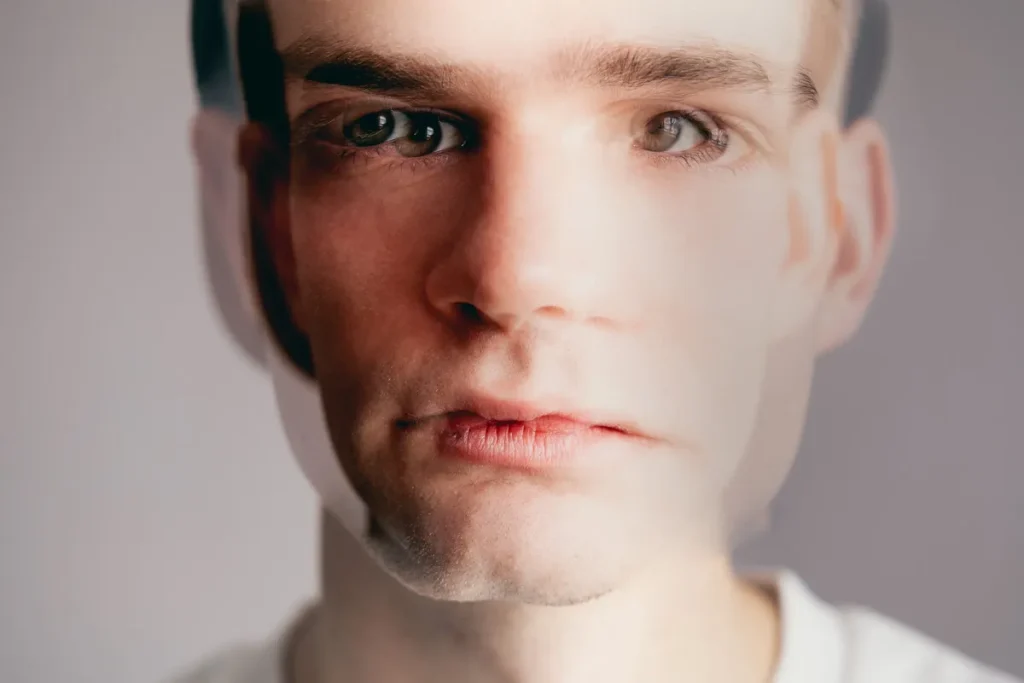
It’s key to understand major depressive disorder with psychotic features for proper diagnosis and treatment. This condition mixes the severe symptoms of depression with the reality disconnection of psychosis.
Definition and Clinical Presentation
Major depressive disorder with psychotic features combines depressive and psychotic symptoms. These symptoms, like delusions or hallucinations, make diagnosis and treatment tough. People with this condition can show different symptoms, from mood-congruent to mood-incongruent.
Having psychotic features in major depression means the illness is more severe. It’s vital for doctors to spot these features to give the right care. The DSM-5 outlines the criteria for diagnosing this condition accurately.
Prevalence and Risk Factors
The prevalence of major depressive disorder with psychotic features varies widely. Studies show it affects 5.3% to 18.5% of those with major depression, with older age increasing the risk.
Knowing the prevalence and risk factors of major depressive disorder with psychotic features is key. Risk factors include a history of severe depression, family history of mood disorders, and significant stress.
Symptoms and Impact
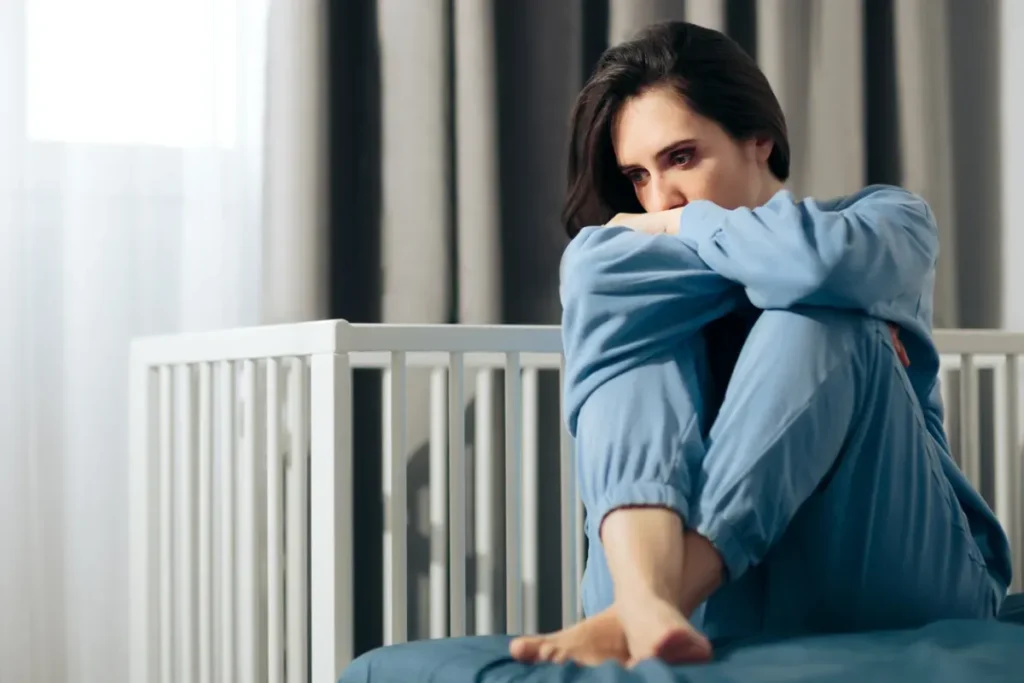
It’s important to understand the symptoms and impact of major depression with psychotic features. This condition combines depressive symptoms with psychotic features like delusions or hallucinations.
Common Psychotic Features in Depression
People with this condition often have delusions and hallucinations that match their depressive mood. For example, they might believe they caused a big problem or are being punished.
Hallucinations can also happen, where they hear voices that are mean or critical. This can make their depression worse and make treatment harder.
Distinguishing from Non-Psychotic Depression
The main difference between major depression with psychotic features and non-psychotic depression is the presence of delusions or hallucinations. Both have symptoms like feeling sad, losing interest, and changes in appetite or sleep. But, psychotic symptoms mean the depression is more severe.
Effects on Functioning and Quality of Life
Major depression with psychotic features really hampers daily life. It not only affects the person but also their family and friends.
The quality of life is greatly reduced. So, it’s vital to have a detailed treatment plan for recovery.
Treatment and Management
Treating major depression with psychotic features needs a mix of strategies. It must tackle both the depressive and psychotic symptoms well.
Medication Approaches
The main treatment involves using antidepressant and antipsychotic medications together. This combo helps manage both symptoms. The right medication depends on the person’s symptoms, medical history, and past treatments.
Antipsychotic medications are key for controlling psychotic symptoms like delusions and hallucinations. Antidepressants help with the depressive symptoms. Sometimes, electroconvulsive therapy (ECT) is considered, like when there’s a high suicide risk or if meds don’t work.
Psychotherapy Options
Along with meds, psychotherapy options are helpful. Cognitive-behavioral therapy (CBT) helps change negative thoughts and behaviors. Family therapy also offers support and education to the individual and their family.
Hospitalization and Intensive Treatment
In severe cases, hospitalization might be needed. It’s for safety reasons, like when there’s a high risk to the person or others. Hospital care offers a safe place for intense treatment and monitoring.
Effective treatment for major depression with psychotic features needs a detailed plan. It should include medication, psychotherapy, and, if needed, hospital care or ECT.
Conclusie
Major depression with psychotic features is a serious mental health issue that needs quick action. We’ve looked at what it is, its symptoms, and how to treat it. It’s key to get help from experts.
A summary of major depressive disorder with psychotic features shows it’s a complex issue. It affects not just the person but also their family. With the right treatment, like medicine and therapy, people can get better and live a fuller life.
Understanding major depression with psychotic features is vital. We need to be kind, understanding, and supportive. By recognizing how serious it is and urging those affected to get help, we can help them recover.
If you or someone you know is dealing with this, getting professional help is critical. With the right care and support, managing symptoms and improving life quality is possible.
FAQ
What is major depressive disorder with psychotic features?
This is a severe mental health issue. It combines depression with psychotic symptoms like hallucinations or delusions.
How common is major depression with psychotic features?
It’s quite rare, affecting a small part of people with depression. About 18.5% of those in the hospital for depression have these symptoms.
What are the symptoms of major depression with psychotic features?
Symptoms include feeling very down and losing interest. There are also psychotic symptoms like hallucinations and delusions.
How does major depression with psychotic features differ from non-psychotic depression?
The main difference is the presence of psychotic symptoms. These symptoms can really affect a person’s life and how well they function.
What are the treatment options for major depression with psychotic features?
Treatment usually involves medication and therapy. This can include antipsychotics and antidepressants. In severe cases, hospitalization may be needed.
Can major depression with psychotic features be effectively treated?
Yes, with the right treatment, people can see big improvements. Their symptoms and quality of life can get much better.
What is the role of hospitalization in treating major depression with psychotic features?
Hospitalization offers a safe place for those with severe symptoms. It allows for intense treatment and helps stabilize the person.
How can I get help for major depression with psychotic features?
Getting help from a mental health professional is key. This could be a psychiatrist or psychologist. They can give the right diagnosis and treatment.
What is severe major depression with psychotic features?
This is a more intense version of the condition. It has very strong depressive and psychotic symptoms.
Are there any specific risk factors for developing major depression with psychotic features?
Yes, there are. These include a history of depression, a family history of mental illness, and big life stressors.
Referenties
Nationaal Centrum voor Biotechnologie-informatie. Evidence-Based Medisch Inzicht. Opgehaald van https://pmc.ncbi.nlm.nih.gov/articles/PMC3052920/