
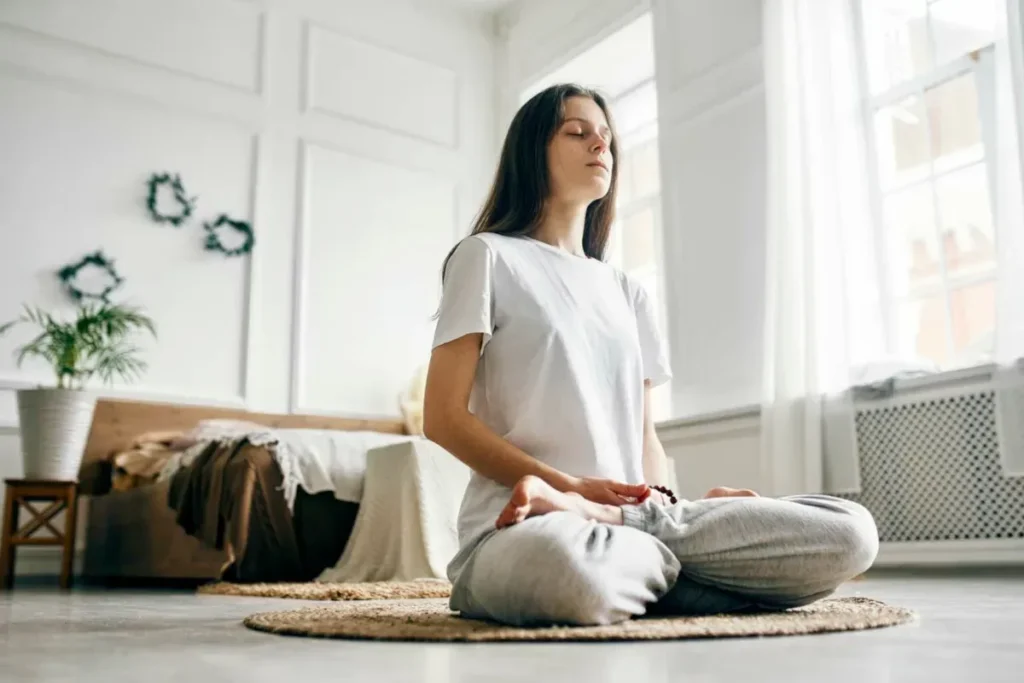
In today’s fast world, anxiety and overthinking are big mental health issues. New studies show that guided meditation is a strong, easy, and proven way to help.
Studies say that mindfulness practices can cut anxiety by 30% in just two months. They calm the nervous system and help control emotions. Adding meditation to your day can stop overthinking and boost sleep, focus, and health.
Belangrijkste opmerkingen
Meditation can reduce anxiety levels by 30% within two months.
Regular practice supports better sleep, focus, and emotional regulation.
Guided meditation is an accessible and effective tool for managing anxiety.
Mindfulness practices can disrupt cycles of overthinking.
Consistent meditation practice improves overall wellbeing.
The Science Behind Meditation for Anxiety and Overthinking
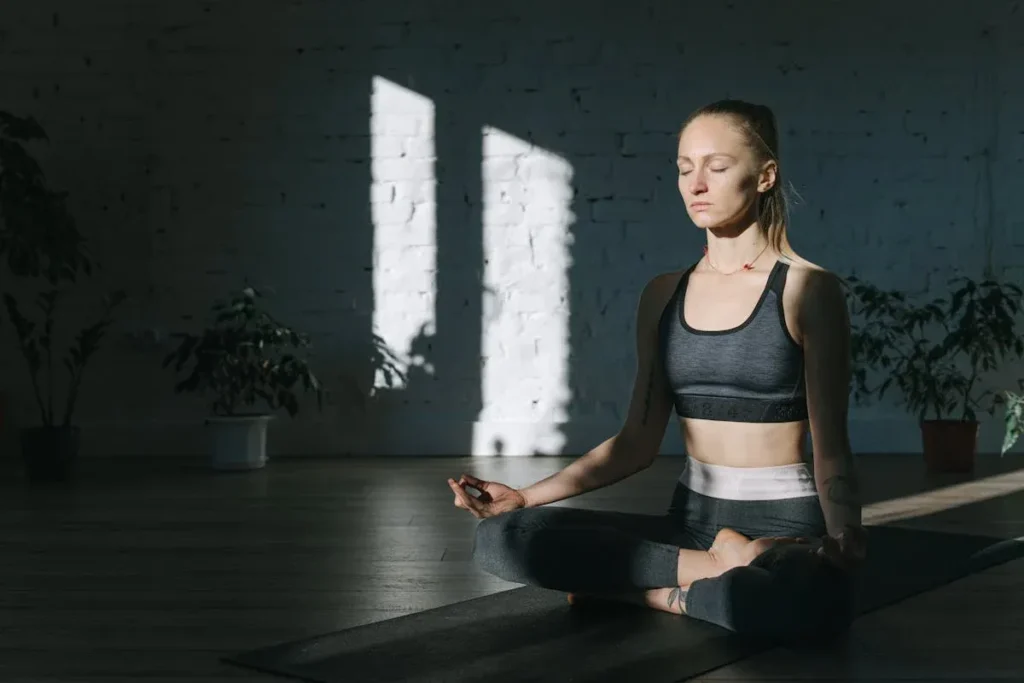
Meditation is a powerful tool for fighting anxiety and overthinking. It’s backed by lots of scientific research. Studies show that regular meditation can greatly reduce anxiety and depression symptoms.
Door onderzoek gestaafde voordelen voor de geestelijke gezondheid
Meditation offers many mental health benefits. It’s as good as some medicines for anxiety. It also helps in many ways, such as:
Reducing emotional reactivity: Meditation teaches you to watch your thoughts and feelings without judgment. This helps manage stress and anxiety better.
Improving stress management: Regular meditation makes it easier to handle stressful situations. This leads to lower stress levels overall.
Enhancing emotional regulation: Meditation helps you become more aware of your emotions. This makes it easier to control them.
Almost two-thirds of people with anxiety see their levels drop after 6-9 months of meditation. This shows meditation’s long-term benefits for anxiety.
Neurobiological Changes from Regular Practice
Regular meditation brings about important changes in the brain. These changes help explain why meditation is so helpful. Some key changes include:
Reduced inflammation: Meditation lowers inflammatory markers, which are linked to anxiety and depression.
Increased grey matter: Studies show meditation can increase grey matter in brain areas linked to emotions and memory.
Enhanced connectivity: Meditation makes brain regions talk better to each other. This improves how the brain works together.
These changes help reduce anxiety and depression symptoms. They show how meditation can deeply impact mental and brain health.
Step-by-Step Meditation Techniques for Calming Your Mind
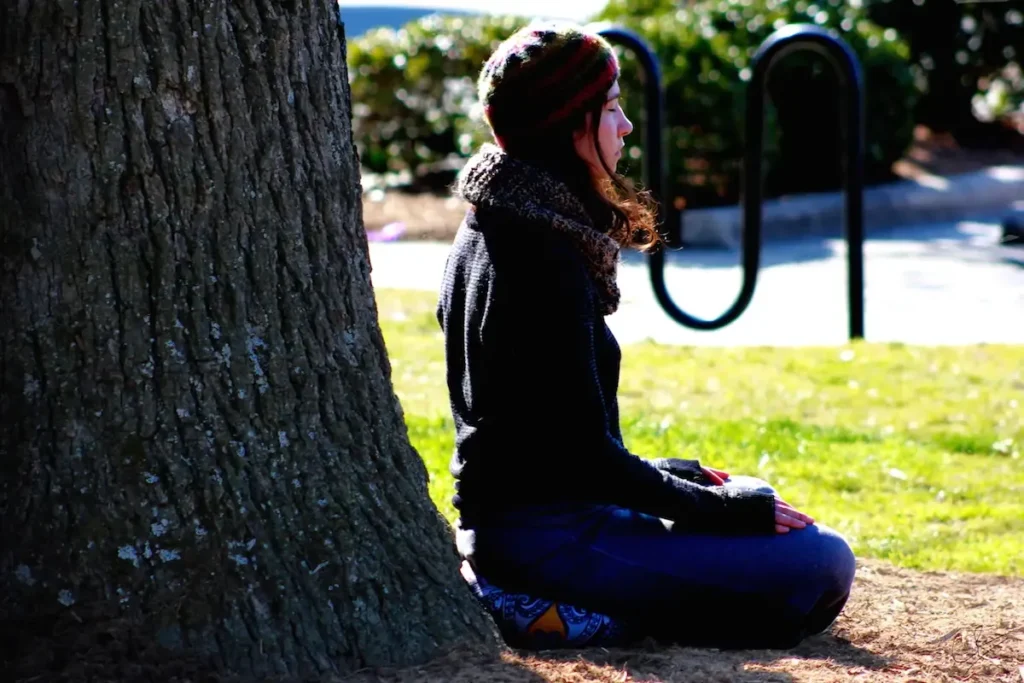
Meditation can change your life, bringing calm and clarity. It’s simple and can be part of your daily routine. It helps manage anxiety and quiet your mind.
5-Minute Mindfulness Practice for Beginners
Mindfulness meditation is great for reducing anxiety and relaxing. Find a quiet, comfy spot to sit or lie down. Close your eyes and breathe deeply in through your nose, out through your mouth.
Step 1: Focus on your breath. Feel the air moving in and out. If your mind wanders, gently bring it back to your breath without judging.
Step 2: Keep breathing deeply. Notice body sensations. Let go of tension with each breath.
Guided Meditation Exercises to Stop Rumination
Guided meditation helps those who struggle with negative thoughts. It uses audio or video to guide you. This helps you let go of bad thoughts and think positively.
Listen to a guided meditation recording. Let the instructor’s voice relax you.
Imagine a peaceful place, like a beach or forest. Dive into the sensory details.
Notice thoughts or worries. Gently let them go, focusing on the imagery.
Breathing Techniques for Immediate Anxiety Relief
Breathing techniques offer quick anxiety relief. The 4-7-8 technique, or “Relaxation Breath,” is effective.
Breathe in through your nose for 4 counts.
Hold your breath for 7 counts.
Breathe out through your mouth for 8 counts.
Repeat this cycle for several rounds. It calms your nervous system and reduces anxiety.
Conclusion: Building a Daily Meditation Habit
Starting a daily meditation habit is a big step towards handling anxiety and overthinking. Regular mindfulness exercises can change your brain and help you feel more in control of your emotions.
Being consistent is the key to seeing meditation’s benefits. Daily practice can turn meditation into a tool for finding calm and clarity. Adding ocd guided meditation to your routine can also help you stop overthinking and find peace.
Remember, every moment you spend meditating is important. Even a few minutes a day can make a big difference. By making meditation a regular part of your life, you’ll face challenges with more confidence and clarity.
Begin your journey today and see how daily meditation can change your mental health for the better.
FAQ
What is meditation for anxiety and overthinking?
Meditation for anxiety and overthinking is a mindfulness practice. It trains your mind to stay in the present moment. This reduces worries about the past or future. Regular meditation can calm your mind, helping with anxiety and depression.
How does meditation help with anxiety and depression?
Meditation lowers stress hormones like cortisol, which helps with anxiety and depression. It also changes brain areas linked to emotions, improving mental health.
What are the benefits of guided meditation for anxiety and overthinking?
Guided meditation offers a gentle, guided story to help you focus. It’s great for beginners or those with anxiety and overthinking. It makes it easier to relax.
Can meditation be used as a replacement for traditional anxiety and depression treatments?
Meditation is a valuable addition to traditional treatments, but it shouldn’t replace them. Always talk to a healthcare professional before changing your treatment plan. Meditation can boost the effects of other therapies.
How long does it take to see the benefits of meditation for anxiety and overthinking?
Meditation’s benefits can start in just a few minutes. Regular practice leads to deeper, lasting changes. Aim for a daily meditation habit to see the most benefits.
What is mindfulness meditation for anxiety and depression?
Mindfulness meditation focuses on the present moment. It might involve breathing, body sensations, or emotions. This practice increases awareness and acceptance, reducing anxiety and depression symptoms.
Are there any free guided meditations available for anxiety and overthinking?
Yes, many free guided meditations are online. Apps like Insight Timer and Calm, and YouTube channels offer them. They’re perfect for starting your meditation journey.
Referenties
Nationaal Centrum voor Biotechnologie-informatie. Evidence-Based Medisch Inzicht. Opgehaald van