
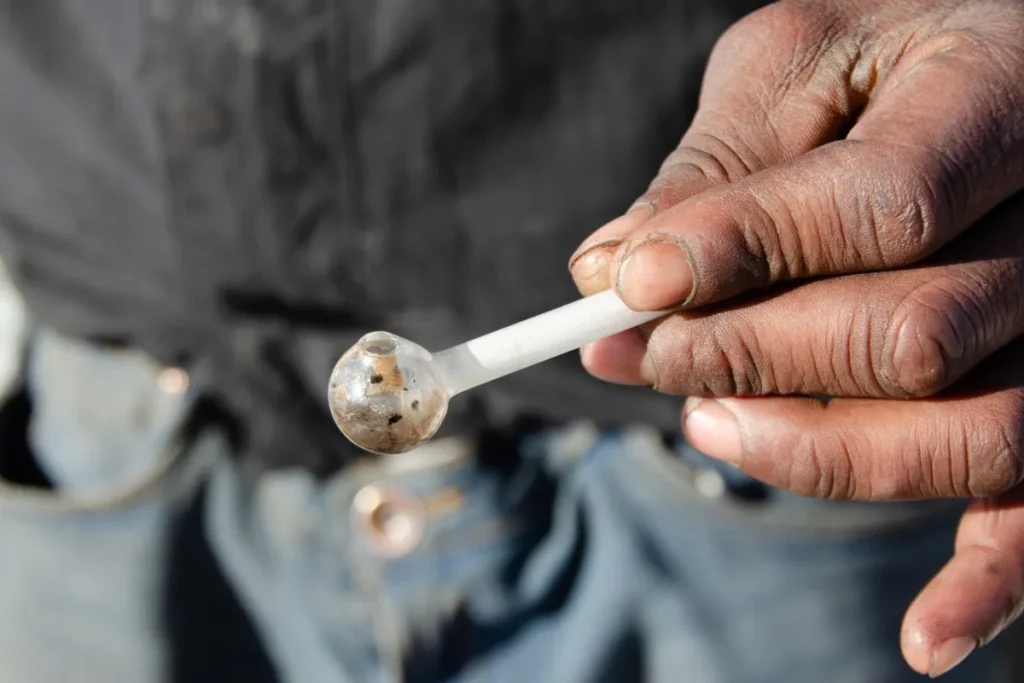
Coming down from methamphetamine can be tough. You might feel deep sadness, extreme tiredness, and strong cravings. The crash, or comedown, happens when your body’s dopamine drops sharply after the drug fades away. This can be hard, mainly if you’ve built up a tolerance or used meth a lot over time.
Knowing how to get through this tough time is key for recovery. There are proven ways to make symptoms better and help you stay well in the long run. By looking into ways to handle methamphetamine comedown, you can deal with the exhaustion that comes after using meth.
Belangrijkste opmerkingen
Understanding the symptoms of methamphetamine comedown is key for recovery.
Relief strategies can make physical and mental symptoms better.
Proven methods support long-term wellness and recovery.
Getting through the comedown phase is vital for beating methamphetamine addiction.
Dealing with meth’s aftermath needs a full approach.
Understanding Methamphetamine Comedown and Its Phases

The methamphetamine crash is a complex experience. It’s shaped by how much and how long someone used the drug, and their health. When someone stops using meth, their body goes through big changes. It’s adjusting to life without the drug.
What Happens in Your Body During a Meth Crash
When you crash, you’ll feel many physical and mental symptoms. The crash usually lasts one to three days. But, some symptoms can last up to ten days.
You might sleep a lot or have trouble sleeping. You could feel very tired, hungry, or uncomfortable. You might also feel sad, anxious, or really want to use the drug again. How bad these feelings are can differ a lot from person to person. It depends on how much and for how long you used meth, and your health.
Timeline and Intensity of Comedown Symptoms
The time and how bad the symptoms are can change a lot. The first few days are usually the toughest. The symptoms are strongest at first and then get better over time.
Knowing about the meth comedown and its stages can help. It lets you prepare for the tough times ahead. By understanding the symptoms and when they happen, you can get ready for your recovery journey.
Effective Relief Strategies for Methamphetamine Comedown
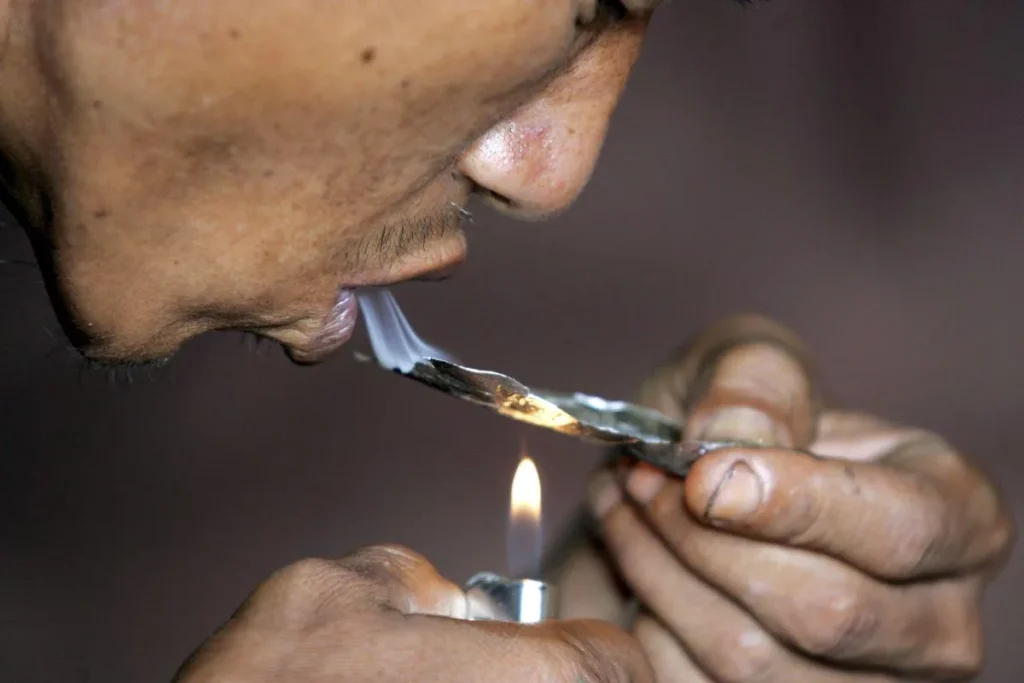
Managing the methamphetamine comedown is key to recovery and comfort. Coming down from a meth high is tough, both physically and mentally.
Hydration and Nutrition Essentials
Staying hydrated is vital during the comedown. Drinking lots of water and eating nutrient-rich foods can ease discomfort. Electrolyte-rich beverages help replace lost salts.
Eating a balanced diet with fruits, veggies, and proteins aids recovery. Avoid heavy meals and eat light, frequent meals if you’re not hungry.
Rest and Sleep Management Techniques
Getting enough rest is critical for recovery. A calm and comfortable sleep environment improves rest quality. Deep breathing and meditation can help relax.
Stick to a regular sleep schedule and avoid stimulants before bed. If sleep is a problem, seek professional help.
Addressing Physical Discomfort
Physical discomfort during comedown can be severe. Over-the-counter pain relievers can ease aches and pains. Keep an eye on body temperature and stay comfortable to avoid overheating or chilling.
Managing Psychological Symptoms
It’s vital to manage the comedown’s psychological symptoms. Counseling or therapy offers emotional support. Support groups provide a sense of community and understanding.
Mindfulness and activities that boost mental well-being help with anxiety and depression. Having a support system, like family or friends, is also important.
Conclusion: When to Seek Help and Recovery Resources
Beating methamphetamine addiction needs a full plan. This includes knowing the comedown process and how to handle it. It also means getting professional help when you need it.
Understanding the comedown phases and symptoms is key. Knowing what to expect helps you manage them better. This is important for your recovery journey.
Getting help for meth addiction is a big step towards healing. There are many resources available, like counseling and support groups. These help a lot in the recovery process.
Crystal meth comedown support is out there too. Many organizations and hotlines offer guidance and help.
Waiting too long to get help can make things worse. It can lead to more severe withdrawal symptoms and a higher chance of relapsing. So, it’s important to seek help right away.
With the right support and resources, you can beat methamphetamine addiction. This opens the door to a better future.
If you’re fighting methamphetamine addiction, there’s hope. By understanding the recovery process and using the right resources, you can start a healthier life. Seeking help is the first step towards a better life and long-term recovery.
FAQ
What is a methamphetamine comedown?
A methamphetamine comedown, or meth crash, happens when the body runs out of methamphetamine. This leads to physical and mental symptoms.
What are the symptoms of a meth comedown?
Symptoms include feeling tired, depressed, and anxious. You might also feel irritable, have trouble sleeping, or eat more than usual. Physical symptoms like headaches or muscle pain can also occur.
How long does a meth comedown last?
The length of a meth comedown varies. It depends on how much meth was used, how often, and the person’s health. It can last from a few days to weeks.
How can I manage the physical symptoms of a meth comedown?
To manage physical symptoms, drink plenty of water and eat well. Get enough sleep and try relaxation techniques like deep breathing or meditation.
What can I do to cope with the psychological symptoms of a meth comedown?
To cope with mental symptoms, talk to friends, family, or a counselor. Try stress-reducing activities like yoga or journaling. Do things that make you happy and feel good.
Is it normal to feel depressed or anxious during a meth comedown?
Yes, feeling down or anxious is common during a meth comedown. This is because the brain’s chemicals, like dopamine and serotonin, are low.
How can I get help for methamphetamine addiction?
To get help for meth addiction, talk to a doctor or a counselor. Look for local support groups or a rehab center that deals with substance abuse.
What are some resources available for recovery from methamphetamine addiction?
Resources for recovery include counseling, support groups like Narcotics Anonymous, and online forums. There are also rehab programs designed for meth addiction.
Can I recover from methamphetamine addiction?
Yes, it’s possible to recover from meth addiction with the right help, treatment, and commitment.
How can I support someone going through a meth comedown?
To support someone during a meth comedown, be there for them, listen without judging, and encourage seeking help. Help them find resources for recovery.
Referenties
Nationaal Centrum voor Biotechnologie-informatie. Evidence-Based Medisch Inzicht. Opgehaald van https://pubmed.ncbi.nlm.nih.gov/18394722/