
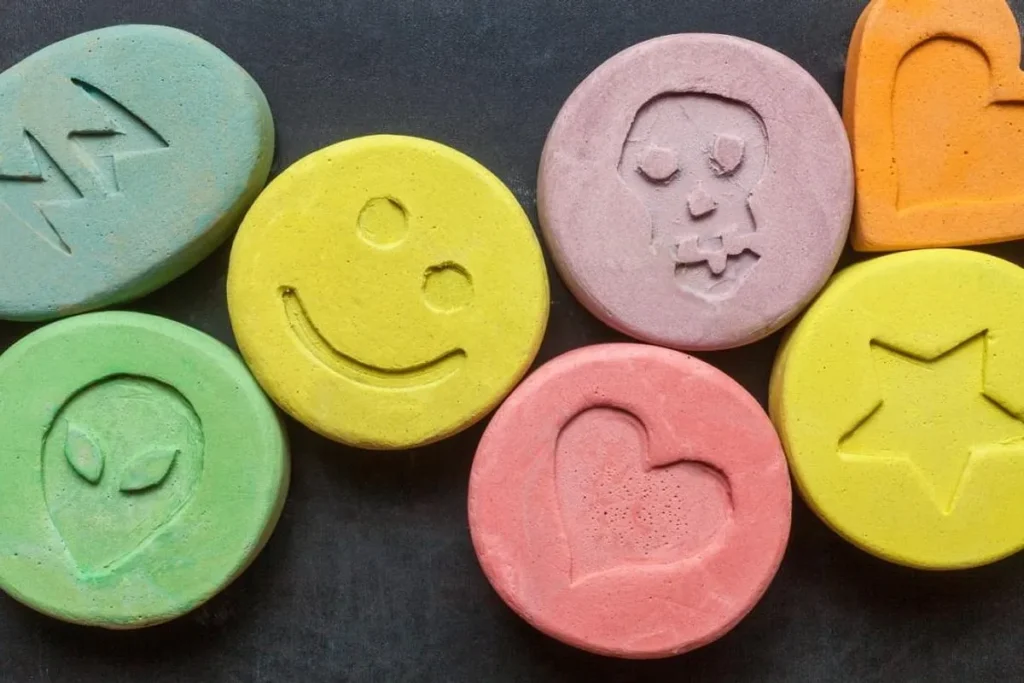
MDMA, commonly known as molly or ecstasy, is a synthetic drug that poses significant health risks. It demands awareness and education from both healthcare professionals and individuals who may be using the substance.
Understanding the critical symptoms and effects of molly is key for safety. MDMA is usually swallowed but can also be injected, snorted, or inserted rectally. Its effects are felt within 20 minutes to an hour after consumption and can last for three to four hours.
GoldCity Center prioritizes patient education. It helps individuals recognize the serious health consequences of molly use. These include acute cardiovascular emergencies to lasting neurological damage.
Molly symptoms are scary and dangerous for your health. Understand the critical effects of MDMA and find amazing resources for help today.
Belangrijkste opmerkingen
MDMA is a synthetic drug with significant health risks.
Understanding molly symptoms is critical for safety.
MDMA effects can last for several hours.
GoldCity Center emphasizes patient education on substance safety.
Awareness of molly’s health consequences is vital.
Understanding MDMA: What Is Molly and How Does It Work?

To understand MDMA, we need to know what it is and how it affects the brain. MDMA, also known as molly or ecstasy, changes mood and how we see things.
Defining MDMA, Molly, and Ecstasy Forms
Molly and ecstasy are often mixed up, but they’re not the same. Molly is usually a powder, while ecstasy is in tablets or capsules. Knowing the difference is key to understanding MDMA use.
Chemical Composition and the MDMA Abbreviation
MDMA stands for 3,4-Methylenedioxymethamphetamine. It’s a synthetic drug that changes brain chemistry. The MDMA abbreviation is known in both medical and recreational fields. It’s a type of amphetamine, which makes it a stimulant.
Hoe MDMA verschilt van Methamfetamine
MDMA and methamphetamine are both stimulants but are different. Methamphetamine is stronger and can lead to addiction and brain damage. MDMA, on the other hand, makes people feel closer and happier.
MDMA’s Impact on Brain Neurotransmitters
MDMA affects three important brain chemicals: dopamine, norepinephrine, and serotonin. These chemicals control energy, mood, emotions, and sleep. By boosting these chemicals, MDMA causes feelings of energy, happiness, and closeness.
Knowing how MDMA affects the brain helps us see its benefits and risks. As we look at molly symptoms and MDMA effects, remember the complex relationship between MDMA and brain chemistry.
7 Critical Molly Symptoms and Physical Effects
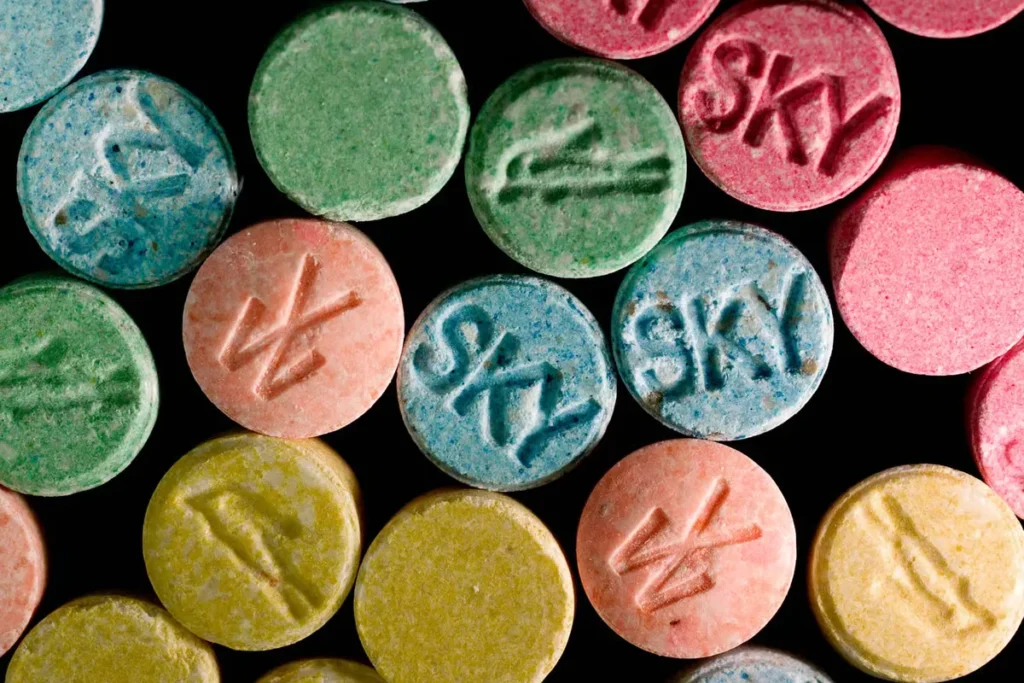
Molly, or MDMA, can cause several immediate physical effects. Some of these effects can be dangerous. It’s important for users and medical professionals to understand these short-term symptoms.
1. Cardiovascular Effects: Elevated Heart Rate and Blood Pressure
MDMA can have a big impact on the heart. It can make the heart rate and blood pressure go up. This is risky, mainly for people with heart problems.
A study showed that MDMA can increase heart rate and blood pressure. This can lead to heart problems in some users.
2. Hyperthermia: Dangerous Body Temperature Elevation
Hyperthermia, or high body temperature, is a serious risk of MDMA. It can happen because the drug makes it hard for the body to cool down. This is more likely in hot places or when being very active.
3. Involuntary Physical Responses: Jaw Clenching and Restless Legs
People who take molly might feel their jaw clench and have restless legs. These feelings come from how the drug affects the brain. It can make muscles tense and feel restless.
4. Digestive Distress: Nausea and Vomiting
MDMA can also upset the stomach, causing nausea and vomiting. These symptoms can make you dehydrated, which is worse if you’re active or in a warm place.
It’s key to know about these serious molly symptoms and effects. This knowledge helps users make safer choices for their health.
Conclusion: Health Risks and Safety Considerations
It’s important to know the dangers of MDMA to avoid its harmful effects. The molly experience can be risky because its exact makeup is unknown. Knowing what molly is made of helps people make better choices about using it.
MDMA can have serious effects on the body. The fact that molly is classified as a hard drug shows its risk for abuse and addiction. Being aware of these health risks is key to staying safe.
Education is the best way to stay safe. By learning about MDMA’s effects, people can make choices that protect their health. This knowledge helps them avoid the dangers of molly.
FAQ
What are the effects of MDMA on the body?
MDMA makes the brain release more serotonin, dopamine, and norepinephrine. This can make you feel happy, energetic, and closer to others. But, it also has serious health risks like heart problems, too much body heat, and brain damage.
Is Molly the same as MDMA?
Yes, Molly is another name for MDMA, often in powder or crystal form. “Molly” usually means pure MDMA, while “Ecstasy” can mean different substances, often in pills.
What is Molly made of?
Molly, or MDMA, is a man-made substance that changes mood and perception. It’s made of 3,4-Methylenedioxymethamphetamine and boosts certain brain chemicals.
Is Molly a hard drug?
Molly, or MDMA, is a Schedule I controlled substance. It’s seen as a “party drug” but has serious health risks like heart problems, too much body heat, and brain damage.
What are the long-term effects of using Molly?
Using Molly long-term can change brain chemistry. This might cause memory, mood, and thinking problems. It can also lead to heart issues, brain damage, and other health problems.
How does MDMA differ from Methamphetamine?
MDMA and Methamphetamine are synthetic stimulants but different. MDMA makes you feel closer and happier, while Methamphetamine is stronger and more addictive. It can harm dopamine and serotonin neurons more.
What are the short-term effects of taking Molly?
Taking Molly can make your heart beat faster and blood pressure go up. It can also make you feel euphoric and energetic. But, it can also cause anxiety, panic, and heart problems.
Can Molly cause digestive distress?
Yes, Molly can upset your stomach, causing nausea and vomiting. This is because of how it affects your body and can interact with other substances.
Referenties
The drug is an amphetamine derivative, with the pharmacologic name 3,4-methylenedioxymeth-amphetamine(MDMA).https://pmc.ncbi.nlm.nih.gov/articles/PMC1071023/