
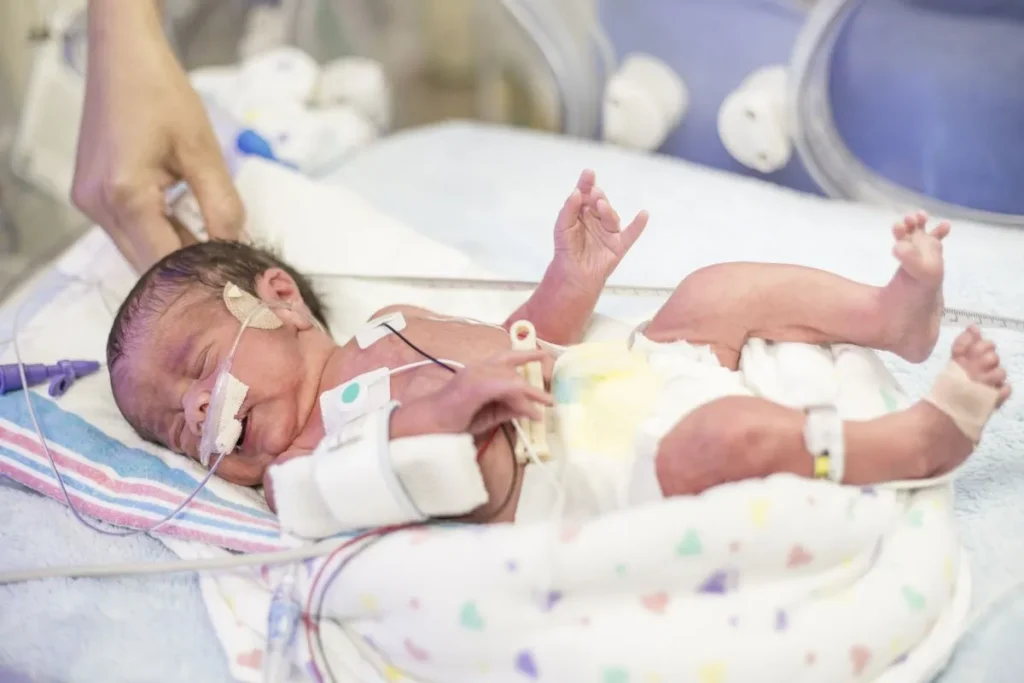
The birth of a baby is a joyous moment. But, when a newborn shows signs of distress, it worries parents a lot. Neonatal abstinence syndrome is a condition that affects babies exposed to substances in the womb. It’s becoming more common.
Identifying neonatal withdrawal syndrome symptoms is vital for safety. Learn how to manage this scary condition and provide amazing infant care.
Recent statistics show a 383% rise in NAS cases in the U.S. from 2000 to 2012. Knowing the signs of this condition is key for early treatment. Healthcare teams are striving to give the best care to babies with NAS.
Belangrijkste opmerkingen
Neonatal abstinence syndrome is a rising concern in the United States.
Early detection is critical for effective management.
Understanding the signs of NAS is vital for parents and caregivers.
Healthcare professionals are working to provide the best possible care.
NAS incidence has increased significantly over the past few decades.
Understanding Neonatal Withdrawal Syndrome
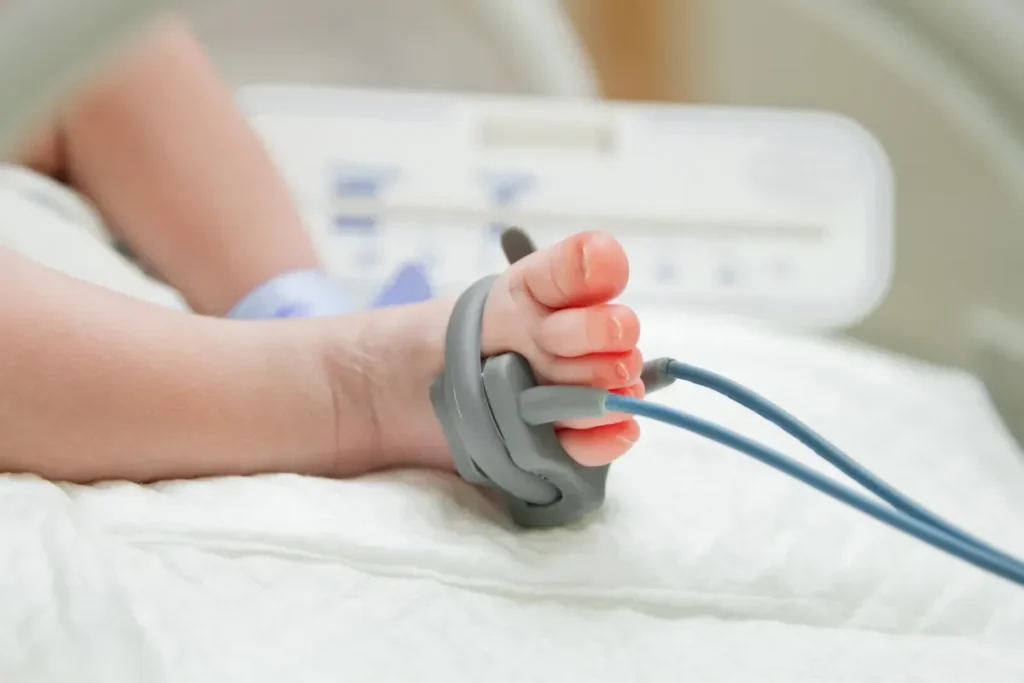
Neonatal Withdrawal Syndrome, or NAS, is a complex issue. It happens when newborns go through withdrawal because of substances in the womb. These substances can be from prescription drugs or illegal drugs.
What Causes Neonatal Abstinence Syndrome
NAS is mainly caused by opioids during pregnancy. This includes prescription drugs like methadone and illegal drugs like heroin. These substances pass through the placenta, making the fetus dependent.
After birth, without these substances, the baby can show withdrawal symptoms. The substances most commonly associated with NAS include heroin, codeine, oxycodone (Oxycontin), methadone, and buprenorphine. The risk of NAS goes up with more substances and longer, higher doses.
Rising Prevalence in the United States
NAS cases have been rising in the U.S., just like the opioid crisis. More babies are being born with NAS, showing the need for better prenatal care and managing substance use.
Empowering pregnant women with knowledge about opioid risks and the need for medical help is key. Healthcare providers are essential in managing NAS with proper prenatal care and support.
NAS affects not just the newborn but also the family and healthcare system. Knowing about NAS is the first step to giving the right care and support to affected babies.
7 Common Neonatal Withdrawal Syndrome Symptoms
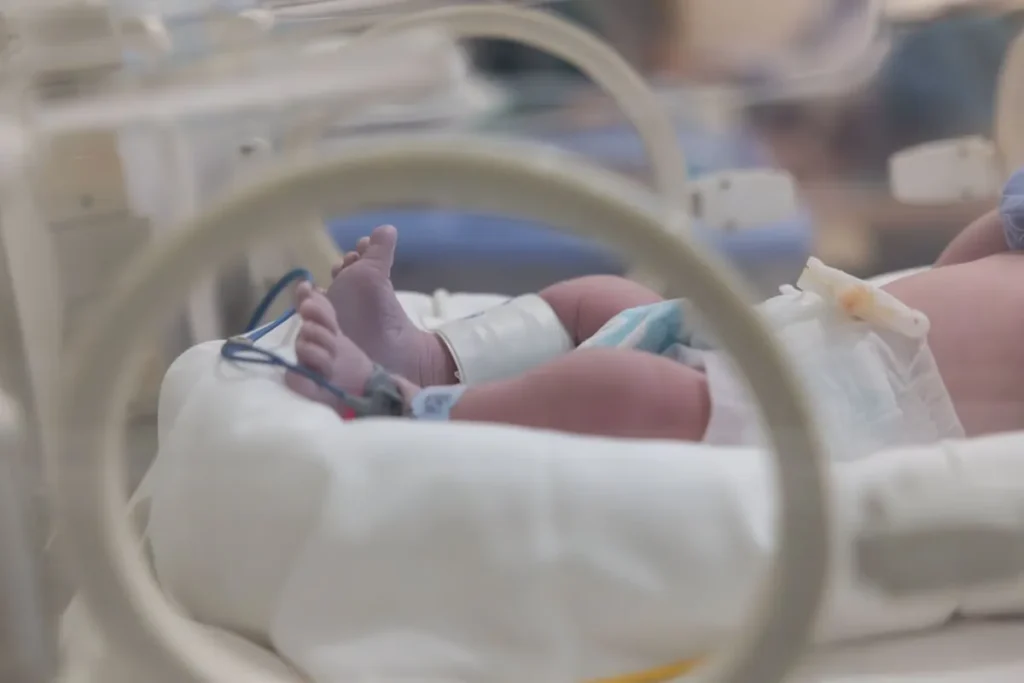
The symptoms of Neonatal Withdrawal Syndrome can vary a lot. They often include signs of irritability in the central nervous system and issues with the stomach. It’s key to spot these symptoms early to help manage NAS well.
Central Nervous System Signs
Newborns with NAS show central nervous system irritability. This can be seen as too much crying, shaking, and being overly sensitive. It’s because their nervous system is adjusting to not having the substance it was used to in the womb.
Irritability and restlessness are big challenges for those caring for the newborn. In some cases, NAS can cause serious neurological problems like seizures. These need quick medical help.
Autonomic and Gastrointestinal Dysfunction
NAS also affects the autonomic and gastrointestinal systems. Symptoms include trouble feeding, vomiting, diarrhea, and sweating too much. These can cause dehydration and imbalances in electrolytes if not handled right.
Creating a calm and soothing environment can help with these symptoms. Caregivers play a big role in managing NAS. They help by making sure the newborn is comfortable and gets the right food.
Understanding and dealing with Neonatal Withdrawal Syndrome is a transformative journey for both the newborn and caregivers. With the right care and support, newborns can get past the challenges of NAS and do well.
Conclusion: Diagnosis, Treatment, and Long-term Outlook
It’s important to know the signs of Neonatal Withdrawal Syndrome to help newborns. Neonatal Abstinence Syndrome (NAS) happens when a baby goes through withdrawal after being exposed to drugs in the womb.
To diagnose NAS, doctors check the baby’s health and figure out what substance was involved. The treatment for NAS varies based on how severe the symptoms are and if the baby was born full-term or premature. Care like swaddling and skin-to-skin contact can help manage symptoms. Sometimes, medication is needed for severe methadone withdrawal symptoms in newborns.
Knowing about NAS helps parents and caregivers give better care to their newborns. With the right diagnosis and treatment, babies with NAS can have better outcomes. This way, families can support their little ones effectively.
FAQ
What is Neonatal Abstinence Syndrome (NAS)?
Neonatal Abstinence Syndrome (NAS) happens in newborns exposed to substances like opioids in the womb. After birth, they show withdrawal symptoms.
What are the common symptoms of Neonatal Withdrawal Syndrome?
Symptoms include irritability, tremors, and excessive crying. Newborns also have trouble sleeping and feeding. They may have autonomic and gastrointestinal issues.
What causes Neonatal Abstinence Syndrome?
Maternal opioid use during pregnancy is the main cause. Other substances can also lead to NAS.
How is Neonatal Abstinence Syndrome diagnosed?
Doctors assess the newborn’s symptoms, medical history, and the mother’s substance use during pregnancy.
What is the treatment for Neonatal Abstinence Syndrome?
Treatment includes medication for symptoms and supportive care. This includes a nurturing environment and breastfeeding support.
Can Neonatal Abstinence Syndrome be prevented?
While prevention is hard, pregnant women can lower their risk. They should avoid substance use and seek medical help if needed.
What is the long-term outlook for newborns with Neonatal Abstinence Syndrome?
With the right treatment, many newborns with NAS can recover and thrive. Some may need ongoing support and monitoring.
Are there any specific medications used to treat NAS?
Yes, methadone and buprenorphine are used to manage withdrawal symptoms in newborns with NAS.
How can parents and caregivers support newborns with Neonatal Abstinence Syndrome?
Parents and caregivers should create a calm environment. They can practice skin-to-skin contact and follow healthcare advice on feeding and medication.
Referenties
National Center for Biotechnology Information. Evidence-Based Medical Insight. Retrieved from https://www.ncbi.nlm.nih.gov/books/NBK551498/