
Quitting smoking is a journey many take around the world. They want a healthier life. With nicotine addiction affecting 23.6 million Americans aged 12 and older, knowing the challenges and withdrawal symptoms is key.
Nicotine addiction is hard to beat, causing serious health problems. It leads to 480,000 deaths each year in the U.S. Quitting tobacco products, like smoking, vaping, or smokeless ones, is tough. But, with a personalized plan and the right support, it’s possible.
Nicotine addiction symptoms are scary and hard to break. Discover amazing, powerful ways to manage cravings and start your healthy life today.
Getting to a smoke-free life is more than just willpower. It’s about being informed and ready. Handling withdrawal symptoms well is essential for a smooth transition.
Belangrijkste opmerkingen
Understanding nicotine addiction is the first step towards quitting.
A personalized plan can significantly improve your chances of success.
Managing withdrawal symptoms is key for a smooth transition.
Support systems play a vital role in overcoming quitting challenges.
Quitting smoking is a journey that requires patience and persistence.
Understanding Nicotine Addiction Symptoms
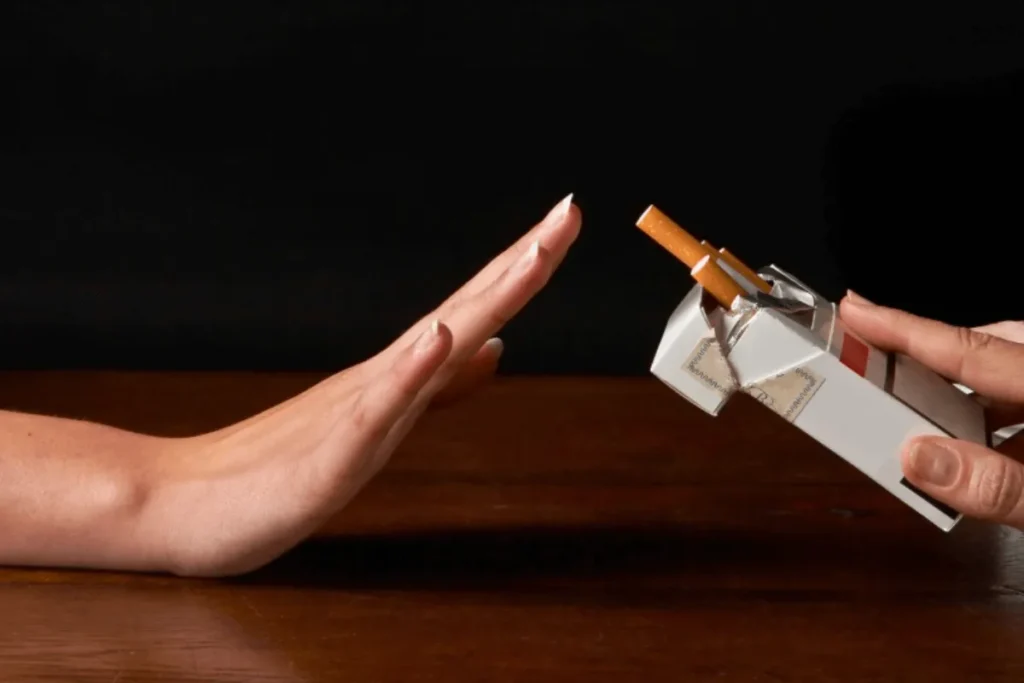
It’s key to know about nicotine addiction to handle withdrawal symptoms well. Nicotine, found in tobacco, hooks the brain’s reward system, causing physical dependence.
The Science Behind Nicotine Dependence
Nicotine dependence happens when the brain gets used to it. It changes its chemistry. This makes the body need nicotine to feel right. Nicotine’s effect on the brain’s reward system makes it addictive.
Timeline of Withdrawal: What to Expect When
Withdrawal starts within 24 hours after quitting and lasts three to four weeks. Symptoms include feeling irritable, anxious, depressed, and hungry. You might also have trouble sleeping and intense cravings. Nicotine cravings can be strong but usually fade in minutes. Doing something else or setting a timer can help with cravings.
Risk Factors for Severe Withdrawal Symptoms
Some things can make withdrawal symptoms worse. These include how much you smoked, how long you smoked, and your health. Quitting cold turkey is tough, but knowing the risks helps prepare.
Stopping smoking after 50 can be harder because of less physical strength and health issues. But quitting is always possible. Knowing the side effects helps manage them better.
Effective Strategies for Managing Physical Symptoms
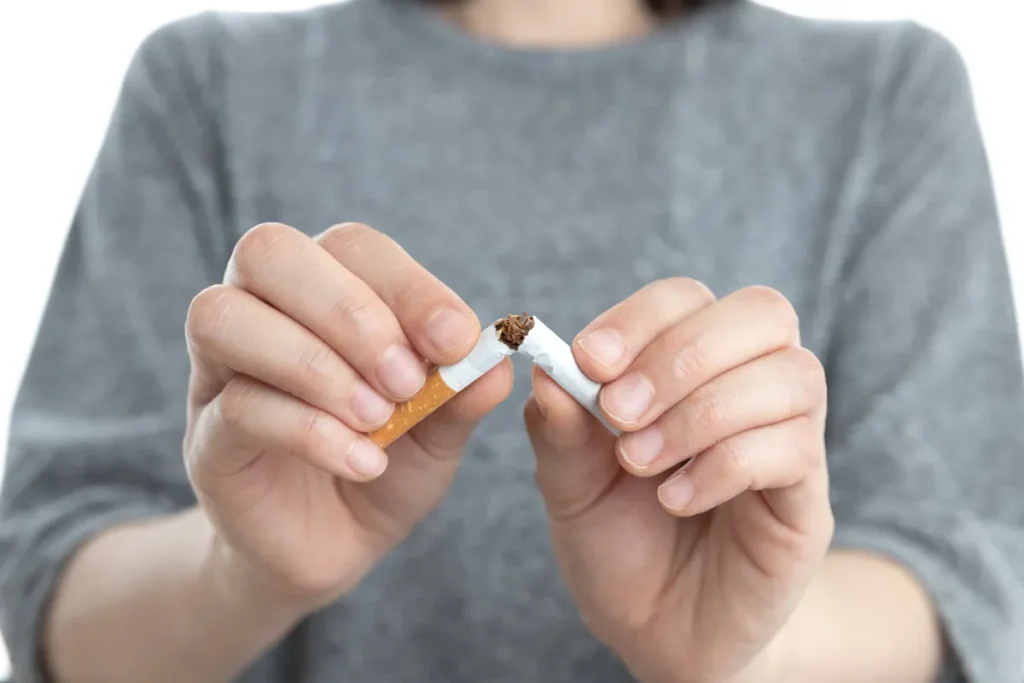
Quitting smoking can bring uncomfortable physical symptoms. But, there are ways to handle them. About 80 to 90 percent of smokers face nicotine addiction. Knowing how to deal with withdrawal symptoms is key.
Combating Fatigue and Sleep Disturbances
Fatigue is a common symptom of nicotine withdrawal. Drinking lots of water can help. Also, having a regular sleep schedule and a calming bedtime routine can improve sleep quality. Doing physical activities during the day can reduce fatigue and help sleep better at night.
Controlling Increased Appetite and Weight Gain
Nicotine withdrawal can make you hungrier, leading to weight gain. Eating healthy snacks and staying hydrated can control hunger. Adding physical activity to your daily routine helps manage weight and reduces withdrawal symptoms. Eating foods rich in nutrients and avoiding high-calorie snacks is also helpful.
Relieving Headaches and Physical Discomfort
Headaches are common during nicotine withdrawal. Drinking plenty of water can help with headaches. Over-the-counter pain relievers can also help, but talk to a doctor first. Relaxation techniques like deep breathing or meditation can reduce physical discomfort and improve well-being.
Using these strategies can make quitting smoking easier. It makes the journey to a smoke-free life more manageable and less scary.
Coping with Psychological Withdrawal Effects
Starting a smoke-free life means facing psychological withdrawal effects. Quitting smoking can make you feel irritable, anxious, or even depressed. But, with the right strategies, you can get through this tough time.
Practical Techniques for Reducing Irritability and Anxiety
Managing irritability and anxiety is key to quitting smoking successfully. Here are some practical techniques to help you cope:
Deep Breathing Exercises: Practice deep, controlled breathing to calm your mind and body.
Physical Activity: Engage in regular physical activity, like walking or yoga, to reduce stress and improve mood.
Mindfulness Meditation: Use mindfulness meditation to stay present and reduce anxiety.
Journaling: Write down your feelings and thoughts to process your emotions and track your progress.
Preventing and Managing Depression After Quitting
Depression is a common challenge when quitting smoking. To prevent and manage depression, consider the following strategies:
Seek Support: Connect with friends, family, or support groups to share your experiences and receive encouragement.
Stay Engaged: Keep yourself busy with hobbies, work, or other activities to distract yourself from cravings and negative thoughts.
Professional Help: If depression persists, consider seeking help from a mental health professional.
Research shows that adults aged 50 and older, with major depressive episodes, have the highest rates of nicotine dependence. This makes managing symptoms very important for this age group.
Special Considerations for Adults Over 50
Adults over 50 may face unique challenges when quitting smoking. They have been exposed to nicotine for longer and may have health complications. To overcome these challenges:
Know Your Triggers: Identify and plan for situations that trigger your desire to smoke.
Healthy Lifestyle Changes: Adopt a healthier lifestyle, including a balanced diet and regular exercise, to improve overall well-being.
Support Systems: Leverage support from healthcare providers, family, and friends to stay motivated.
Understanding your triggers and having a plan to deal with them can significantly improve your chances of quitting successfully. It helps to write down the triggers you face most days and how to manage each one.
Conclusion: Staying Committed to Your Smoke-Free Journey
Staying on track with your smoke-free journey is key. Remember, quitting smoking makes you feel better, improves your health, and saves money. Each day without cigarettes moves you closer to a healthier, brighter you.
Overcoming nicotine withdrawal takes effort and motivation. Knowing how nicotine works and when withdrawal symptoms hit helps. Using strategies to manage symptoms like fatigue and hunger can also help.
Choosing to stay smoke-free is a powerful step towards better health and beauty. Celebrate your progress and keep your goals in mind. Every step you take shows your strength and resilience.
FAQ
Wat zijn de meest voorkomende symptomen van nicotineontwenning?
Symptoms include irritability, anxiety, and depression. You might also feel tired, have headaches, and want to eat more. These feelings can change in how bad they are and how long they last.
How long do nicotine withdrawal symptoms last?
Symptoms usually get worse in the first few days after quitting. They can last weeks. How long and how bad they are can differ for everyone.
Can quitting smoking cold turkey cause severe withdrawal symptoms?
Quitting cold turkey can make symptoms worse, more so for heavy smokers. But, with the right help, many people have quit this way.
Is it normal to feel tired after giving up smoking?
Yes, feeling tired is common when quitting. Nicotine affects sleep and energy, so it’s normal to feel more tired.
Can quitting smoking cause anxiety and depression?
Yes, quitting can make some people feel anxious or depressed. This is because nicotine helps calm you down, and without it, you might feel different.
Are there any effective strategies for managing nicotine withdrawal symptoms?
Yes, there are ways to handle symptoms. Nicotine replacement therapy, counseling, and support groups can help. Drinking water, exercising, and sleeping well can also help.
What are some tips for controlling increased appetite after quitting smoking?
To manage hunger, eat healthy meals and avoid junk food. Drinking water can also help control cravings.
Can adults over 50 experience more severe withdrawal symptoms?
Adults over 50 might feel withdrawal symptoms more strongly. This is because they might be less physically strong and have health issues. But, with the right support, many in this age group have quit smoking.
Are there any specific considerations for managing withdrawal symptoms after 50 years of smoking?
Yes, those who smoked for 50 years or more need extra help. This might include seeing a doctor, getting counseling, and using nicotine replacement therapy.
Referenties
JAMA Network. Evidence-Based Medical Insight. Retrieved from https://jamanetwork.com/journals/jamapsychiatry/fullarticle/493770