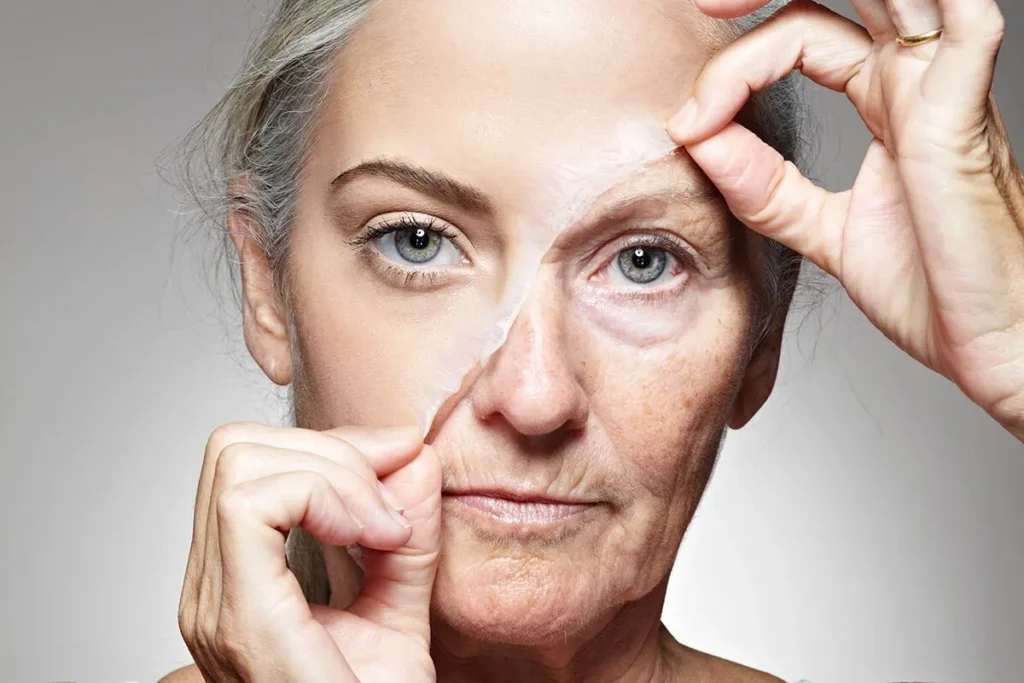
As we age, our skin changes, leading to fine lines and wrinkles. By 35, many start seeing first signs of aging. This includes lines from making facial expressions.
Seeing normal wrinkles at 35 can feel scary, but it’s natural. Try these amazing, powerful skincare tips to restore your beautiful, young glow.
Medical Expert. “By 20, you might see lines on your forehead,” he notes. Knowing when wrinkles start can help us prevent or lessen them.
Belangrijkste opmerkingen
Fine lines and wrinkles can start appearing as early as the twenties.
Repeated facial movements contribute to the formation of expression lines.
Understanding facial aging can help individuals take preventive measures.
Genetics, lifestyle choices, and environmental exposures influence facial aging.
A radiant glow and timeless beauty can be maintained with proper skincare.
Understanding the Facial Aging Timeline
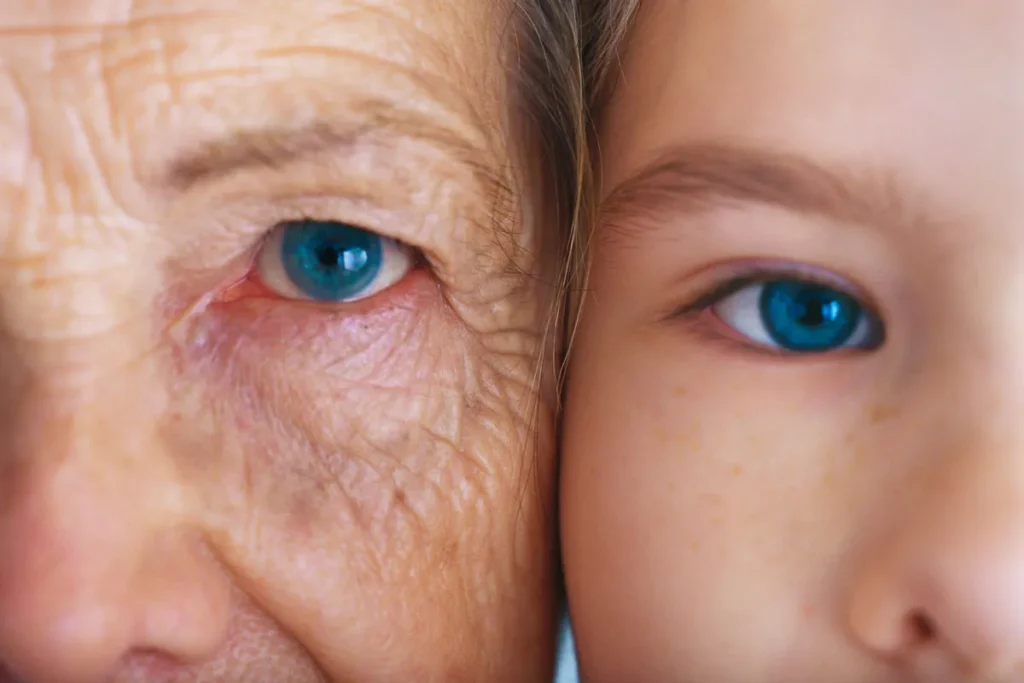
As we age, our skin changes in many ways. These changes are part of growing older. Both inside and outside factors play a role in how our skin looks and feels.
The Natural Progression of Skin Aging
Skin aging starts early in life. By 30, you’ve lost 5% of your original collagen. This protein is key for skin strength and elasticity. By 35, you lose another 5%, and by 40, you’ve lost 15% in total.
As we age, several changes happen. These include:
Less collagen production
Less elastin, important for skin elasticity
Dynamic wrinkles from facial expressions
How Facial Skin Changes in Your 30s
In your 30s, your skin undergoes big changes. Dynamic wrinkles from facial expressions start around 25 and get more noticeable in the 30s. These changes are normal but knowing them helps you take action to reduce their look.
Less collagen means less firm skin
Dynamic wrinkles turn into static wrinkles over time
Changes in skin texture and tone from aging
Normal Wrinkles at 35: What to Expect
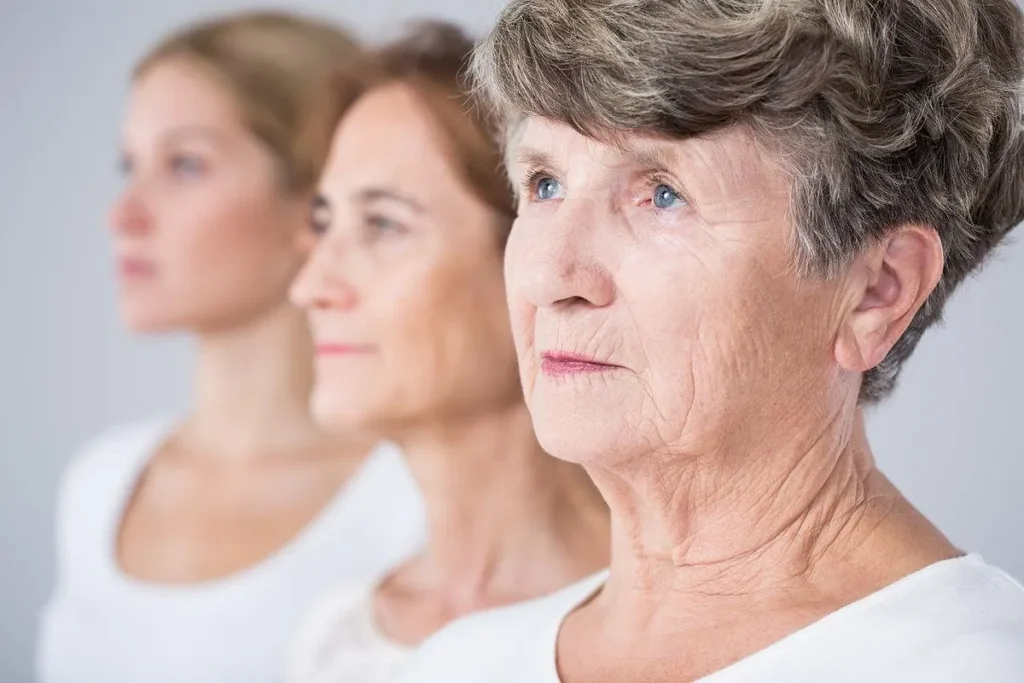
When you turn 35, you might start seeing wrinkles. This is a normal part of aging. Your skin’s ability to heal and stay elastic starts to go down.
Knowing about the different wrinkles is key for good skincare. Dynamic wrinkles come from smiling or frowning. They show up when you’re making faces but fade when you’re calm.
Dynamic vs. Static Wrinkles
Dynamic wrinkles happen because of muscle work under the skin. They get deeper when you use your face muscles. Static wrinkles, though, stay even when you’re not moving your face. They show more aging and are linked to less collagen and elastin.
Common Areas for First Wrinkles
First wrinkles often pop up where you use your face a lot. This includes around your eyes, between your eyebrows, and near your mouth. These spots get more dynamic wrinkles because of all the muscle action.
The Science Behind Collagen Decline
Collagen loss is a big reason for wrinkles. Collagen is a protein that keeps skin tight. When it goes down, skin loses its bounce and gets wrinkly.
Knowing why and how wrinkles form helps you fight them. Start a skincare routine, protect your skin from the sun, and think about treatments to boost collagen.
Factors Influencing Wrinkle Formation
Wrinkles aren’t just a sign of aging. They’re also shaped by what’s inside and outside of us. Knowing these factors helps us find the best ways to care for our skin.
Intrinsic Aging Factors
Our genes and the natural drop in collagen and elastin are key. Collagen and elastin keep our skin firm and elastic. When we make less of these, our skin starts to sag and wrinkle.
Extrinsic Aging Factors
Extrinsic factors come from our environment and choices. Sun exposure is a big one, causing wrinkles and spots. Smoking, pollution, and stress also play a part.
Lifestyle Choices That Affect Skin Aging
Our lifestyle choices greatly impact our skin. What we eat, how much we sleep, and how we handle stress matter a lot. Eating right and getting enough sleep can help keep our skin looking young.
Understanding what causes wrinkles lets us take steps to prevent them. This way, we can keep our skin looking its best and feel more confident.
Conclusie
As we get older, our face changes naturally. Wrinkles and aging lines start to show by 35. Knowing how the face ages can help us prepare for these changes.
Wrinkles at 35 are a normal part of aging. They come from both inside and outside factors. By understanding this, we can take steps to reduce their look.
Starting a good skincare routine can boost our beauty and confidence. Using the latest skincare and beauty tech helps us shine. By recognizing aging signs, we can keep our skin looking young and beautiful at any age.
FAQ
At what age do normal wrinkles start appearing?
Normal wrinkles can start as early as 35. This is when the skin changes a lot. It starts making less collagen and gets dynamic wrinkles.
What are the first signs of aging in the face?
The first signs are fine lines, wrinkles, and less collagen and elastin. These changes can be due to genetics, lifestyle, and the environment.
How does facial skin change in your 30s?
In your 30s, the skin changes a lot. It makes less collagen, gets dynamic wrinkles, and loses elastin. This makes you look less young.
What is the difference between dynamic and static wrinkles?
Dynamic wrinkles come from facial expressions. Static wrinkles are there even when you’re not moving your face. Knowing the difference helps you prevent or lessen wrinkles.
What are the common areas for first wrinkles?
First wrinkles often appear on the forehead, around the eyes, and between the eyebrows. These areas get wrinkles from repeated facial movements.
How does collagen decline affect the skin?
When collagen declines, the skin loses its elasticity and firmness. This makes the skin look less youthful.
What lifestyle choices affect skin aging?
Diet, sleep, and managing stress can greatly affect skin aging. Making healthy choices can help prevent or lessen wrinkles.
How can I prevent or minimize wrinkle formation?
Understanding what causes wrinkles helps. Knowing about aging mechanisms, lifestyle factors, and making healthy choices can help keep your skin looking young.
What is the facial aging timeline?
Facial aging is a complex process. It involves losing collagen and elastin, getting wrinkles, and dealing with age-related skin issues.
Referenties
Nationaal Centrum voor Biotechnologie-informatie. Evidence-Based Medisch Inzicht. Opgehaald van https://pmc.ncbi.nlm.nih.gov/articles/PMC2613964/