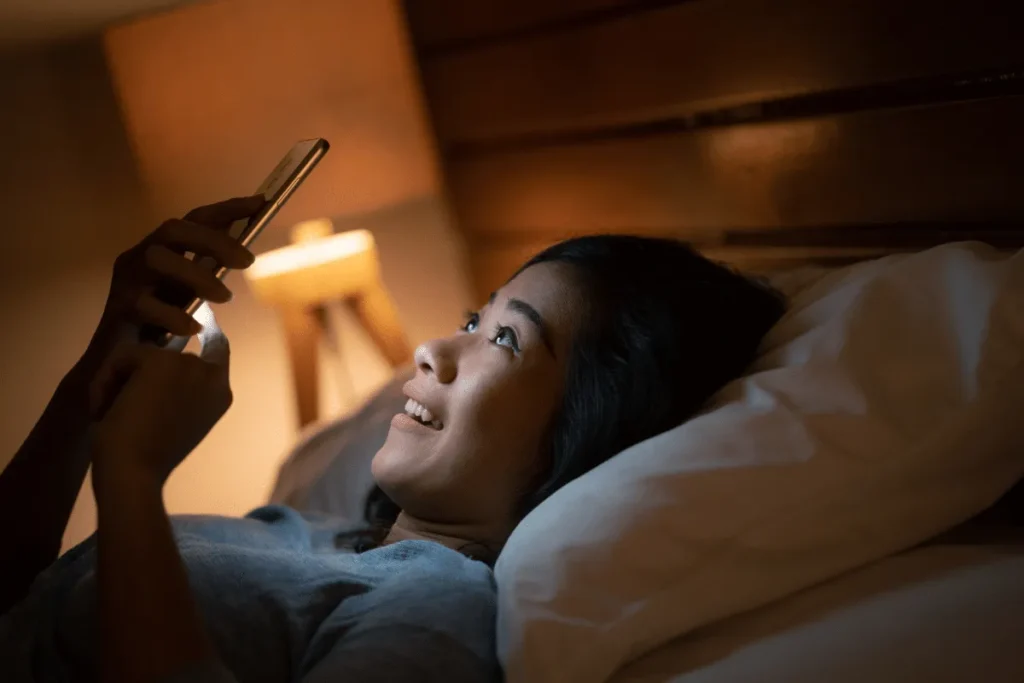
Do you struggle to fall or stay asleep at night? You’re not alone. Sleep disorders affect millions globally. Yet, many don’t know that proven relaxation techniques can greatly improve sleep without medication.
Relaxation exercises for sleep help you fall asleep fast. Try these amazing, powerful routines to end scary insomnia and wake up feeling great.
GoldCity Center offers evidence-based techniques and personalized sleep solutions. These are backed by the latest research and delivered through innovative care. Learn how simple routines and scientifically-backed methods can change your sleep for the better.
Belangrijkste opmerkingen
Learn effective bedtime relaxation techniques to improve sleep quality
Understand the benefits of relaxation techniques for managing insomnia symptoms
Explore personalized sleep solutions backed by clinical research
Discover how to create a sleep-conducive environment
Find out how to incorporate relaxation techniques into your bedtime routine
The Science Behind Sleep Problems and Relaxation

The link between stress, relaxation, and sleep is complex. It involves both body and mind. To grasp why relaxation is key for better sleep, we must explore the science of sleep issues.
Why Millions Struggle with Sleep
Millions face sleep challenges due to stress, lifestyle changes, and environment. Relaxation training for insomnia is a helpful tool. It helps people understand and tackle sleep problems with sleep relaxation techniques.
The Physiological Connection Between Stress and Insomnia
Stress sets off a chain of body responses, including cortisol release. High cortisol disrupts sleep, causing insomnia. The clinical evidence for relaxation shows its role in better sleep. Techniques like relaxation for sleep reduce stress effects, leading to better sleep.
Clinical Evidence Supporting Relaxation for Better Sleep
Studies prove relaxation techniques boost sleep quality. Adding relaxation training for insomnia to daily life improves sleep. The evidence supports relaxation as a drug-free way to enhance sleep, a promising option for those looking to improve sleep naturally.
Relaxation Exercises for Sleep: Physical Techniques

Discover how physical relaxation exercises can change your sleep for the better. In today’s world, it’s hard to find calm before bed. But, adding physical relaxation to your bedtime routine can greatly improve your sleep.
Progressieve spierontspanning
Progressive Muscle Relaxation (PMR) is a method that helps release tension. It involves tensing and then relaxing different muscle groups. This helps calm your mind and body for sleep.
To do PMR, start by tensing your toes and then releasing. Move up your body, tensing and relaxing each group. It relaxes muscles, reduces stress, and eases anxiety.
Gentle Bedtime Yoga Sequence
Gentle Bedtime Yoga is great for unwinding before sleep. It calms the nervous system and relaxes muscles. Simple poses like Child’s Pose, Cat-Cow Stretch, and Legs Up the Wall Pose can signal sleep time.
Calming Tai Chi Movements
Tai Chi is an ancient martial art turned meditative exercise. Its slow movements reduce stress and improve balance. Doing Calming Tai Chi Movements before bed calms the mind and prepares the body for sleep.
Mental and Breathing Techniques to Calm Your Mind
Getting a good night’s sleep starts with calmness. There are many ways to calm your mind before bed. In today’s world, stress and anxiety can make it hard to relax at night. But, there are mental and breathing techniques that can help calm you down and get ready for sleep.
Abdominal Breathing Training
Abdominal breathing, or diaphragmatic breathing, is a great way to relax. It involves deep, slow breaths that slow your heart rate. Here’s how to do it:
Place one hand on your abdomen and the other on your chest.
Inhale slowly through your nose, letting your abdomen rise while your chest stays steady.
Exhale slowly through your mouth, letting your abdomen fall.
Keep doing this for a few minutes, focusing on your breath.
Guided Imagery for Sleep
Guided imagery uses your imagination to create a peaceful place. It helps distract you from stress and promotes relaxation. Here’s how to do it:
Find a quiet and comfy spot to lie down.
Close your eyes and take a few deep breaths.
Imagine yourself in a calm place, like a beach or forest.
Use all your senses to make the picture vivid, including sights, sounds, and feelings.
As you immerse yourself in this calm place, let your body relax and your mind calm down.
5-Minute Bedtime Meditation
Meditation is great for relaxation and reducing stress. Even a 5-minute meditation can help calm your mind and body for sleep. Here’s how to do a 5-minute meditation:
Sit comfortably in bed with your eyes closed.
Focus on your breath, feeling the air move in and out of your body.
If your mind wanders, gently bring it back to your breath.
Keep going for 5 minutes, letting yourself relax and unwind.
Body Scan Relaxation
Body scan relaxation involves tensing and relaxing different muscle groups. It helps release physical tension and prepares your body for sleep. Here’s how to do it:
Lie comfortably in bed and take a few deep breaths.
Start at your toes, tense your muscles for a few seconds.
Release the tension and feel the relaxation spread through your toes.
Move up your body, tensing and relaxing each muscle group in turn.
Adding these mental and breathing techniques to your bedtime routine can help you relax, reduce stress, and improve your sleep quality.
Conclusion: Building Your Nightly Relaxation Ritual
Starting your journey to better sleep can change your life. Adding relaxation and sleep techniques to your day can be a game-changer. A nightly ritual can calm your mind, relax your body, and get you ready for sleep.
Creating a nightly ritual is a journey that needs patience, commitment, and care for yourself. Try different methods like progressive muscle relaxation, gentle yoga, and guided imagery. Find what works best for you.
As you grow your relaxation practice, you’ll see better sleep quality. You’ll wake up feeling new, refreshed, and ready for the day. Making relaxation a key part of your life boosts your well-being and brings calm and peace.
FAQ
What are some effective relaxation exercises for improving sleep quality?
Effective relaxation exercises include progressive muscle relaxation and gentle yoga. Calming tai chi movements and abdominal breathing are also helpful. Guided imagery, a 5-minute meditation, and body scan relaxation can also improve sleep.
How do relaxation techniques help with insomnia and sleep disorders?
Relaxation techniques reduce stress and anxiety. They promote relaxation and help regulate the body’s sleep response. This can improve sleep quality, duration, and depth.
Can relaxation exercises be practiced by people of all ages?
Yes, people of all ages can practice relaxation exercises. They are suitable for various fitness levels and abilities. You can modify exercises to fit physical limitations or health conditions.
How long does it take to see the benefits of relaxation exercises for sleep?
The benefits of relaxation exercises for sleep can be seen in a few days to weeks. It depends on how often you practice and how your body responds. Regular practice can lead to long-term sleep quality improvements.
Can I combine multiple relaxation techniques for better results?
Yes, combining multiple relaxation techniques can be beneficial. Trying different techniques can help you find what works best for you and your needs.
Are there any grounding techniques that can help with sleep?
Yes, grounding techniques like focusing on the five senses and deep breathing can help. Mindfulness meditation can also calm the mind and promote relaxation, improving sleep quality.
How can I incorporate relaxation exercises into my bedtime routine?
To add relaxation exercises to your bedtime routine, set a consistent time each evening. Try right before bed or during a warm bath. Experiment with different techniques to find what works best for you.
Can relaxation exercises help with stress and anxiety related to sleep?
Yes, relaxation exercises can help with stress and anxiety related to sleep. They promote relaxation, reduce muscle tension, and calm the mind.
Referenties
National Center for Biotechnology Information. Evidence-Based Medical Insight. Retrieved from https://pmc.ncbi.nlm.nih.gov/articles/PMC6557693/