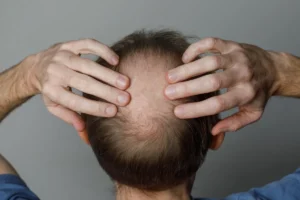

Stress is a big problem worldwide, with 43% of U.S. adults saying they’re more anxious. The American Psychiatric Association says stress is a top factor affecting mental wellbeing. Everyone feels stress when they face danger, which affects their body and mind.
If stress isn’t handled, it can badly hurt mental health. It might even lead to depression or anxiety. The Medical organization says long-term stress can harm the body in many ways. For more on stress, check out stress page.
Belangrijkste opmerkingen
Stress affects a lot of people, hurting their mental wellbeing.
Long-term stress can cause serious mental health problems if not managed.
Knowing what causes stress is key to staying healthy.
GoldCity Center provides care for stress and mental health issues.
Spotting stress signs and its mental health effects is the first step to fixing it.
The Science Behind Stress

Stress is a complex issue that affects people in many ways. It can come from things like money worries and the digital world. Stress happens when our body reacts to something that disrupts its usual state. This triggers a series of physical and mental responses.
Definition and Types of Stress
Stress is a feeling of mental or emotional strain due to tough situations. There are different kinds of stress. Acute stress is short-term and linked to specific events. Chronic stress lasts longer and can harm our health more.
Acute stress comes from immediate threats or challenges, like deadlines. Chronic stress is from ongoing issues, like money problems or work stress.
The Body’s Stress Response
When we feel stressed, our body’s autonomic nervous system kicks in. It releases stress hormones like cortisol and adrenaline. These hormones help us either face the threat or run away, known as “fight or flight.”
The body changes in many ways, like a faster heart rate and higher blood pressure. While helpful in the short term, long-term stress can harm our health. It can affect our heart, immune system, and mind.
Wereldwijde prevalentiestatistieken
Stress is a common issue worldwide, affecting people from all cultures and places. Health statistics show that a big part of the population feels stressed, with varying levels.
These numbers show how widespread stress is. They highlight the need for better ways to manage stress and support worldwide.
Common Causes of Stress and Mental Health Impacts

Modern life is complex, and we must understand stress and its effects on our minds. Stress comes from many places, like money worries, job stress, and the digital world.
Financial Pressures and Economic Uncertainty
Money worries are a big stress for many. 83% of Americans face financial stress, with young people hit hard at 67% and 58%. This stress can lead to anxiety and depression if not handled well.
NIMH
Work-Related Stressors
Job stress is another big stressor. The modern job can be stressful, with long hours, high demands, and little control. This stress hurts not just our minds but also our wallets, costing employers over $300 billion a year in lost work and health costs.
Digital Age Concerns
The digital world has its benefits but also its downsides. Being always connected and available can cause digital stress. Social media, in particular, can be stressful, with cyberbullying, comparison, and FOMO leading to anxiety and feeling not good enough.
Physical Symptoms of Chronic Stress
Chronic stress can harm our bodies, causing headaches, stomach problems, and a weak immune system. Our body’s stress response is meant to be short-term but can be harmful if it lasts too long. Knowing the physical signs of chronic stress is key to managing stress and keeping our minds healthy.
Understanding stress and its effects on our minds is the first step to coping. By recognizing the impact of money worries, job stress, digital stress, and physical symptoms, we can take steps to manage our stress and improve our well-being.
Conclusion: Breaking the Cycle of Stress
Understanding where stress comes from is key to managing it. Stress is a natural response to threats, whether physical, emotional, or psychological. It can come from many sources, like financial worries, work stress, digital overload, and personal issues.
Learning to handle stress in a healthy way is important. By using effective stress management, we can avoid long-term stress and its physical effects. In fact, managing stress daily can greatly improve our mental health and well-being. About 76% of adults say they have stress-related physical symptoms.
To break the cycle of stress, we need a complete approach. This includes addressing the causes and finding healthy ways to cope. By taking charge of our stress and focusing on mental health, we can live a happier, more confident life. We can break free from the weight of mental pressure.
FAQ
What is stress and what causes it?
Stress is a normal part of life. It happens when our body reacts to a threat or pressure. It can come from many things, like money worries, job stress, and digital age concerns.
How does stress impact mental health?
Stress can badly affect our mental health if not handled right. It can cause anxiety, depression, and other mental problems if it lasts too long.
What are the physical symptoms of chronic stress?
Chronic stress can show up in our bodies. It can cause headaches, tiredness, and stomach issues. It can also harm our heart and weaken our immune system.
Why do certain demographics experience more stress?
Some groups, like those with less money or a tough past, face more stress. This is because they deal with more stressors and have fewer resources.
Can stress be positive?
Yes, a little stress can be good. It can push us to work hard and reach our goals. But too much stress is bad.
Hoe kan ik effectief met stress omgaan?
To manage stress well, use healthy ways like exercise, meditation, and deep breathing. Taking care of yourself and getting support from friends or professionals is also key.
What is the purpose of stress?
Stress alerts our body to threats, helping it protect itself. But today, stress often comes from non-life-threatening things. So, it’s important to handle stress well.
Where does stress come from?
Stress comes from inside us, like anxiety, and outside, like job stress and money worries.
How does the body respond to stress?
When stressed, our body releases hormones like cortisol and adrenaline. These hormones get us ready to face the threat. This is called the “fight or flight” response.
Referenties
National Center for Biotechnology Information. Evidence-Based Medical Insight. Retrieved from https://pmc.ncbi.nlm.nih.gov/articles/PMC5137920/