As we get older, our skin’s natural radiance can start to fade. This leaves our skin looking fragile and vulnerable. Thin skin is a common issue where the skin’s thickness decreases, mainly in areas like the face, neck, and nose.
Collagen production drops by about 1% each year after we turn 20. This decrease plays a big role in skin thinning. At GoldCity Center, we focus on restoring your skin’s health. We use advanced dermatology and care tailored just for you.
Learning about the reasons behind thin skin and the treatments available can help you achieve a brighter and stronger complexion.
Manage thin skin with amazing, powerful treatments. Learn how to stop scary bruising and maintain a beautiful, healthy skin texture now.
Belangrijkste opmerkingen
Collagen production decreases by 1% annually after age 20, contributing to skin thinning.
Delicate areas like the face, neck, and nose are mainly affected by thin skin.
A patient-centered approach is key for treating thin skin effectively.
Advanced dermatological science and personalized care can help restore skin health.
Understanding the causes of thin skin is vital for finding good solutions.
Understanding Thin Skin Condition
Areas like the face, neck, and nose are more likely to have thin skin. This is because they are naturally thinner. The skin’s thickness changes across the body, making some spots more at risk from aging and environmental stress.
Definitie en kenmerken
Thin skin is when the skin gets thinner, making it fragile and vulnerable. It often shows visible veins and tendons and loses its elasticity. People with thin skin bruise and tear more easily, mainly in delicate areas.
Thin skin’s traits can differ based on the person and the area affected. For example, the face thins with age due to less collagen. The nose, being delicate, is more likely to thin.
Collagen Reduction Process
Collagen is key for keeping skin thick and elastic. As we age, making less collagen, our skin gets thinner. This can speed up from UV rays and lifestyle choices.
Using collagen supplements and topical treatments can slow collagen loss. These can make skin more elastic and reduce wrinkles.
Most Vulnerable Body Areas
The face, neck, and nose are the most at risk for thin skin. Their thinness and exposure to stressors make them more vulnerable.
The face is very susceptible to thin skin due to the elements and aging.
The neck is also at risk, exposed to the same stressors as the face.
The nose, with its thin skin, is vulnerable to harsh weather and UV rays.
Knowing why and how thin skin happens is key to treating it. By tackling the causes, we can make our skin healthier and more resilient.
What Causes Thin Skin?
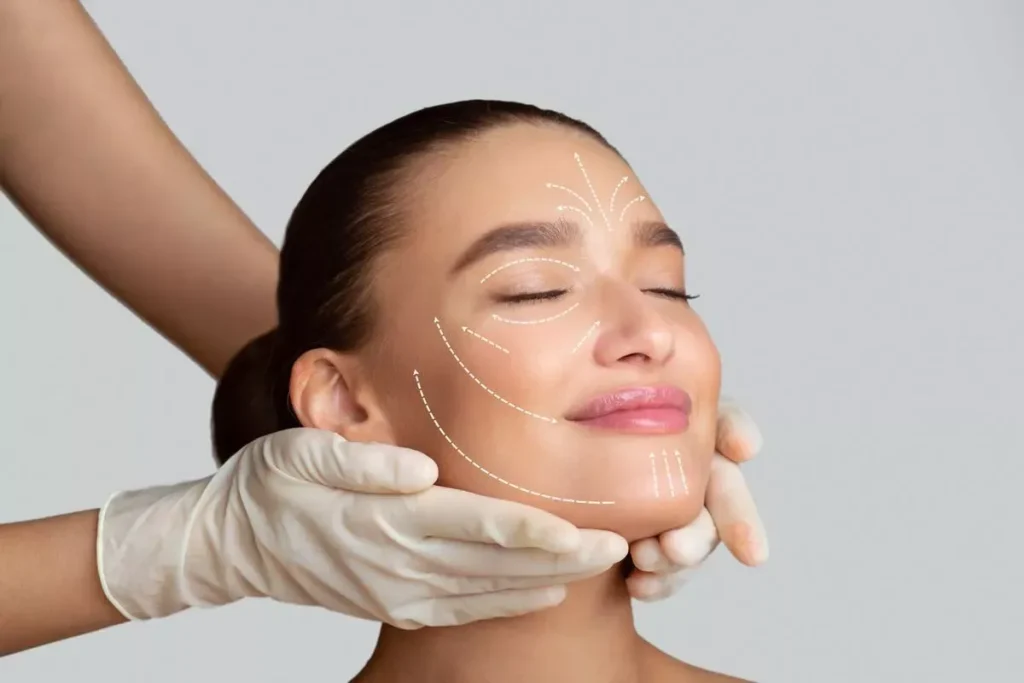
Thin skin is a condition where the skin becomes less thick and less elastic. It’s caused by both intrinsic and extrinsic factors. Intrinsic factors are things like aging. Extrinsic factors include things we’re exposed to and some medical treatments. Knowing what causes thin skin is key to treating it.
Age-Related Collagen Decline
As we get older, our skin’s collagen production goes down. This makes our skin thinner and weaker. Everyone ages, so this is a big reason for thin skin.
UV Radiation Exposure
Being in the sun without protection can also make skin thinner. UV rays harm collagen, making our skin less elastic. This leads to wrinkles. Using sunscreen and wearing protective clothes is very important.
Corticosteroid Use
Using corticosteroids can also make skin thinner. These drugs stop collagen production. Using them for a long time can make skin very thin.
Hormonal Fluctuations
Hormonal changes, like those in menopause, can also make skin thinner. Lower estrogen levels mean less collagen. It’s important to understand how hormones affect our skin.
In summary, thin skin comes from many causes. To fight skin thinning disease, we need to look at all the reasons. This includes aging, sun damage, steroid use, and hormonal changes. By knowing these causes, we can take steps to prevent or treat thin skin.
Signs You Have Thin Skin
Thin skin shows up in different ways. Knowing these signs is the first step to fixing the problem. It’s key to understand thin skin to know how to treat it.
Visible Veins and Tendons
One clear sign of thin skin is seeing veins and tendons. When skin gets thinner, these structures show more. This is common on hands, feet, and the neck.
Bruising and Tearing Easily
People with thin skin bruise and tear easily. This is because their skin’s layer is weak. Bruises happen more often, like on the neck and arms.
Loss of Elasticity
Thin skin also loses its stretchiness, making it sag. This happens because it has less collagen and elastin. These are important for keeping skin firm and strong.
Specific Symptoms by Area
The signs of thin skin change based on where it is. For example, the neck might show more bruises and color changes. Hands might show more veins.
It’s important to know these signs and what they mean. By spotting the symptoms and where they are, you can take better care of your skin.
How to Treat Thin Skin Effectively
Dealing with thin skin requires a mix of topical treatments, collagen supplements, and medical options. This approach aims to make skin thicker, less fragile, and healthier overall.
Topical Treatments
Topical treatments are key for thin skin. Moisturizers and creams with hyaluronic acid and ceramides boost hydration and elasticity. Regular use can make skin look brighter and stronger.
Hydrating serums
Creams with collagen-stimulating peptides
Moisturizers with SPF for UV protection
Collagen Supplementation Options
Collagen supplements are popular for thin skin. They help make skin more elastic and thick. Collagen peptides are easy for the body to absorb, supporting skin structure.
Dietary Approaches
Eating foods rich in vitamins and minerals is vital for skin health. Foods with antioxidants, like berries and greens, protect the skin.
Consume foods rich in vitamin C
Include omega-3 fatty acids in your diet
Drink plenty of water for hydration
Medical Procedures
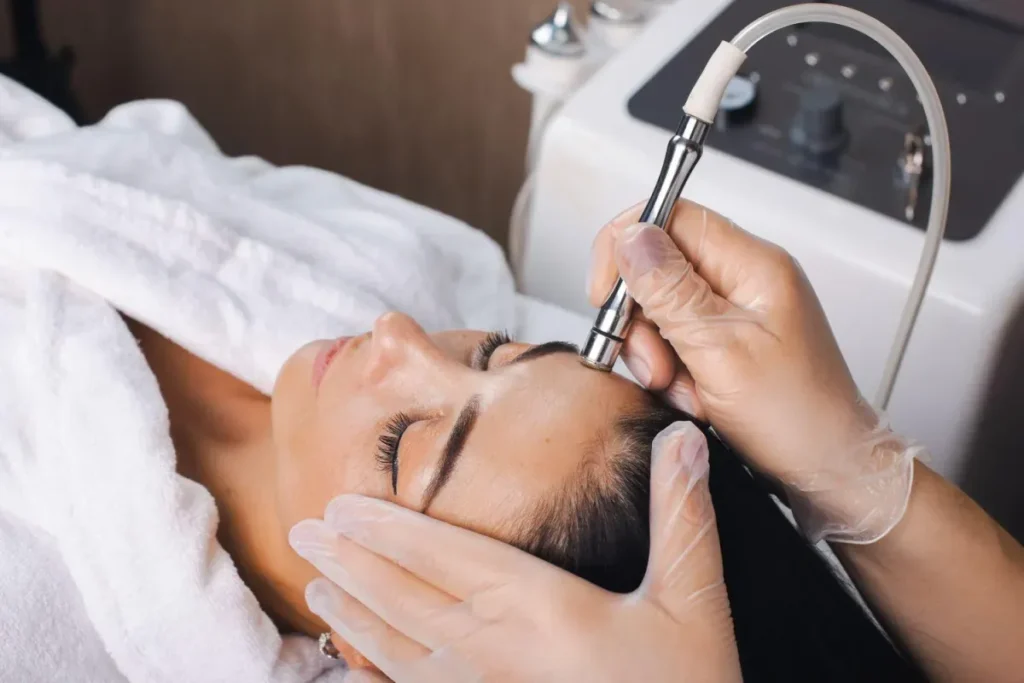
For severe thin skin, medical treatments are needed. Dermal fillers and microneedling offer quick, noticeable results.
Combining these methods can effectively manage thin skin. It improves health and appearance.
Conclusie
Understanding thin skin and its causes is key to dealing with it. Skin thinning happens naturally as we age. But, UV radiation and hormonal changes can make it worse. Knowing the signs, like visible veins and tendons, helps us take care of our skin.
To treat thin skin, we need a full plan. This includes using creams, taking collagen, eating right, and sometimes medical help. These steps can make our skin healthier and look better. So, thin skin is not just a normal part of aging. It’s something we can manage with the right care.
Starting a luxury skin care journey can make us feel more confident. By using the latest skincare and beauty tech, we can improve our routine. With the right steps, we can achieve glowing, youthful skin for a long time.
FAQ
What is thin skin?
Thin skin is when the outer layer of skin gets thinner. This makes it more fragile and easier to damage.
What causes thin skin on the face and neck?
Several things can cause thin skin on the face and neck. These include aging, UV rays, steroid use, and hormonal changes.
How does collagen reduction contribute to thin skin?
Collagen loss is a big factor in thin skin. Collagen keeps skin strong and elastic. As we age, our collagen levels drop, leading to thinner skin.
What are the signs of thin skin?
Signs of thin skin include seeing veins and tendons, bruising easily, and losing skin elasticity. The neck is often more prone to bruising.
How can I treat thin skin effectively?
To treat thin skin, use a mix of treatments. This includes creams, supplements, diet changes, and medical treatments. Creams can hydrate and firm the skin, while supplements help its structure.
What are some effective topical treatments for thin skin?
Good topical treatments include creams with hyaluronic acid, vitamin C, and retinol. These can make the skin look fuller and smoother.
Can dietary changes help to improve thin skin?
Yes, eating right can help your skin. Foods high in vitamins C, E, and omega-3s can boost collagen and improve skin firmness.
What medical procedures are available to treat thin skin?
For quicker results, try dermal fillers or microneedling. Fillers add volume, and microneedling boosts collagen and texture.
Is thin skin a sign of an underlying medical condition?
Sometimes, thin skin can signal a health issue like Cushing’s syndrome or Ehlers-Danlos syndrome. If worried, see a doctor.
Can thin skin be prevented?
While some causes like aging can’t be stopped, you can slow thin skin. Protect your skin from the sun, don’t smoke, and eat well.
Referenties
here are some plants that can affect skin elasticity and tightness. Certainly, there is a place for herbal principles in antiaging cosmetics. On the other https://pmc.ncbi.nlm.nih.gov/articles/PMC3569896/