Omgaan met acne and acne scarring can be frustrating, especially when the marks linger long after the breakout has cleared. This article explains why these skin issues occur, reviews the most effective treatment options, and offers practical advice for preventing future scars. According to dermatological studies, up to 80 % of teenagers experience acne, and many are left with permanent marks that affect confidence.
We’ll explore the underlying causes, compare non‑invasive and clinical procedures, and show how an individualized plan can deliver smoother, clearer skin. Whether you’re looking for at‑home solutions or advanced laser therapy, understanding the science behind each approach helps you make informed decisions.
By the end of this guide, you’ll know which treatments target specific scar types, how to combine therapies for optimal results, and why partnering with a reputable clinic like Gold City Medical Center can accelerate recovery.
What Causes Acne and Acne Scarring?
Acne forms when hair follicles become clogged with oil, dead skin cells, and bacteria. Inflammation can damage the surrounding tissue, leading to scar formation. Several factors influence both the severity of acne and the likelihood of scarring:
- Hormonal fluctuations – especially during puberty, menstrual cycles, and stress.
- Genetic predisposition – family history often determines skin’s oil production.
- Improper skin care – harsh scrubbing or using comedogenic products.
- Dietary influences – high glycemic foods may exacerbate breakouts.
- Delayed treatment – picking or squeezing lesions increases tissue damage.
Types of Acne Scars
Understanding scar morphology guides treatment selection. The most common scar types include:
| Scar Type | Uiterlijk | Typical Treatment |
|---|---|---|
| Ice‑pick | Deep, narrow pits | Laser resurfacing, punch excision |
| Boxcar | Broad depressions with sharp edges | Sub‑cision, chemical peel |
| Rolling | Wave‑like texture | Microneedling, laser therapy |
| Hypertrophic/Keloid | Raised, thickened tissue | Steroid injections, silicone sheets |
Accurately diagnosing the scar type is the first step toward an effective acne scar treatment. A dermatologist can assess depth, texture, and color to recommend a tailored plan.
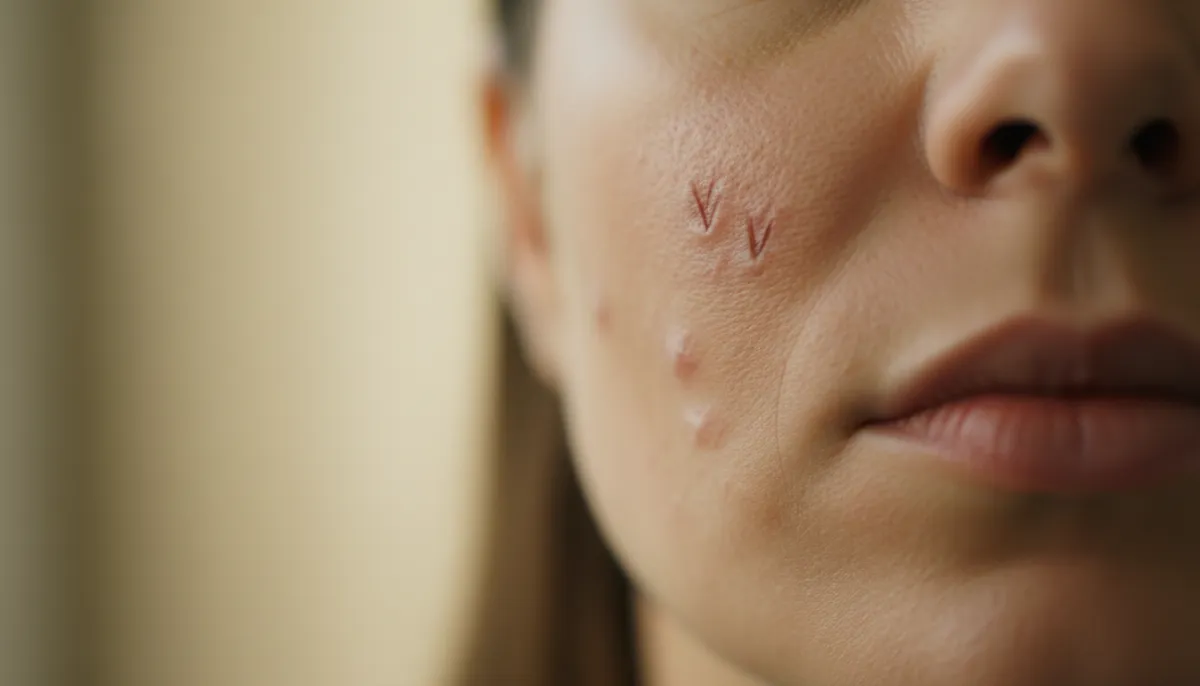
Non‑Invasive Treatments for Acne Scars
For many patients, non‑surgical options provide noticeable improvement with minimal downtime. These methods target the skin’s surface and stimulate collagen production to smooth texture.
Topical Therapies
Prescription‑strength retinoids, vitamin C serums, and alpha‑hydroxy acids (AHAs) can gradually fade discoloration and improve skin elasticity. Consistent use over several months often yields subtle but steady results.
Chemische peelings
Medium‑depth peels using trichloroacetic acid (TCA) or glycolic acid remove the outer damaged layers, prompting regeneration. They are especially effective for shallow boxcar and superficial rolling scars.
Microneedling
Microneedling creates controlled micro‑injuries that trigger the body’s natural healing response. When combined with platelet‑rich plasma (PRP), the technique can accelerate collagen remodeling and reduce the appearance of pimple scars.
- Pros: Minimal bruising, suitable for most skin types.
- Cons: Requires multiple sessions, results vary.
| Methode | Typical Sessions | Recovery Time | Best For |
|---|---|---|---|
| Topical Retinoids | Daily use | None | Fine lines, hyperpigmentation |
| Chemical Peel (Medium) | 1‑3 per year | 3‑7 days | Superficial boxcar, discoloration |
| Microneedling | 4‑6 spaced 4‑6 weeks apart | 1‑2 days | Rolling scars, texture improvement |
While these approaches are safe for most individuals, they may not fully resolve deep ice‑pick scars, which often require more aggressive interventions.
Advanced Clinical Procedures: Laser and Surgical Options
When scars are deep or resistant to topical care, laser treatment and minor surgical techniques become valuable tools. These procedures remodel the underlying tissue, delivering more dramatic improvement.
Fractional Laser Resurfacing
Fractional CO₂ and erbium‑glass lasers create microscopic columns of thermal injury, prompting rapid collagen turnover. The fractional approach preserves surrounding skin, reducing downtime compared with full‑field ablative lasers.
Non‑Ablative Laser (Nd:YAG, Pulsed Dye)
These lasers target vascular components of red acne marks and can soften discoloration without removing skin layers. They are ideal for treating post‑inflammatory erythema and mild hyperpigmentation.
Sub‑cision and Punch Techniques
Sub‑cision releases tethered scar tissue, while punch excision removes isolated ice‑pick pits. Both are often combined with laser resurfacing for comprehensive results.
- Laser resurfacing – high efficacy for deep rolling and boxcar scars.
- Sub‑cision – best for tethered rolling scars.
- Punch excision – precise removal of ice‑pick pits.
| Procedure | Typical Sessions | Downtime | Ideal Scar Type |
|---|---|---|---|
| Fractional CO₂ Laser | 2‑4 | 5‑10 days | Deep rolling, boxcar |
| Non‑Ablative Nd:YAG | 3‑6 | 1‑2 days | Red marks, mild hyperpigmentation |
| Sub‑cision | 1‑2 | 3‑5 days | Tethered rolling scars |
| Punch Excision | 1 | 7‑10 days | Ice‑pick pits |
These interventions are performed by board‑certified dermatologists or plastic surgeons. A thorough consultation determines the safest energy settings and the need for adjunctive therapies such as topical silicone or post‑laser care.
Preventing Future Acne Scars: Skincare and Lifestyle Tips
Prevention remains the most effective strategy. Simple daily habits can drastically reduce the risk of new scar formation.
Skincare Routine Essentials
- Gentle cleanser – wash twice daily with a non‑comedogenic formula.
- Oil‑free moisturizer – maintains barrier without clogging pores.
- Broad‑spectrum sunscreen – protects against UV‑induced hyperpigmentation.
- Spot‑treatment – apply benzoyl peroxide or salicylic acid to active lesions.
Lifestyle Adjustments
- Stress management – meditation or regular exercise lowers cortisol.
- Balanced diet – incorporate omega‑3 fatty acids, limit sugary snacks.
- Avoid picking – use clean hands and keep nails trimmed.
- Regular dermatologist visits – early intervention prevents deep scarring.
Consistent adherence to these practices not only minimizes breakout frequency but also supports the skin’s natural healing capacity, making any subsequent scar treatments more effective.
Combining Treatments for Optimal Results
Often, a multimodal approach yields the best outcome. By layering therapies—starting with gentle topical agents, followed by microneedling, and finishing with targeted laser resurfacing—patients can address both surface discoloration and deeper texture issues.
Staged Treatment Protocol
- Phase 1 – Preparation: Cleanse, apply a retinoid regimen for 4‑6 weeks to prime the skin.
- Phase 2 – Collagen Induction: Perform microneedling with PRP every 4 weeks for three sessions.
- Phase 3 – Laser Refinement: Schedule fractional CO₂ laser treatment 2‑3 weeks after the final microneedling session.
- Phase 4 – Maintenance: Use silicone gel sheets or topical scar‑fading creams for 3‑6 months.
This sequencing maximizes collagen synthesis while minimizing inflammation. Patients typically notice progressive smoothing after each stage, with final results becoming evident 3‑6 months post‑laser.
Individual factors—such as skin type, scar depth, and personal schedule—guide the exact timing. A qualified clinician at Gold City Medical Center will customize the protocol, monitor progress, and adjust parameters to ensure safety and efficacy.
Why Choose Gold City Medical Center
Gold City Medical Center combines integrative medicine with cutting‑edge aesthetic technology. Our multidisciplinary team includes board‑certified dermatologists, cosmetic surgeons, and experienced skin‑care specialists who collaborate to create personalized acne scar solutions. We prioritize patient safety, use FDA‑approved laser systems, and follow evidence‑based protocols. Whether you seek a quick topical regimen or a comprehensive laser program, our clinic offers a supportive environment and transparent pricing.
Ready to restore your skin’s smoothness and confidence? Contact Gold City Medical Center today to schedule a personalized consultation and start your journey toward clear, scar‑free skin.
FAQ
What causes acne and acne scarring?
Acne and scarring result from clogged pores, bacterial growth, inflammation, and subsequent tissue damage.
What are the different types of acne scars?
The main scar types are ice‑pick, boxcar, rolling, and hypertrophic/keloid scars.
Which non‑invasive treatments are effective for acne scars?
Topical retinoids, chemical peels, and microneedling (often combined with PRP) are popular non‑surgical options.
How does fractional laser resurfacing work for deep acne scars?
Fractional lasers create microscopic columns of thermal injury that stimulate rapid collagen turnover while sparing surrounding skin.
Can microneedling combined with PRP improve scar healing?
Yes, adding PRP to microneedling can boost collagen production and speed up recovery.
What daily skincare habits help prevent acne scarring?
Gentle cleansing, oil‑free moisturising, sunscreen, spot‑treatment, stress management, and a balanced diet reduce scar risk.





