When dealing with patchy hair loss, many patients turn to alopecia areata cream as a first‑line topical solution. This article explains how these creams work, the science behind their active ingredients, and practical guidance for safe use. Understanding the treatment options can empower you to make informed decisions and improve the chances of regaining hair in affected areas.
Alopecia areata affects roughly 2 % of the population, and while it can resolve spontaneously, many individuals seek medical help to accelerate regrowth. Topical therapies, especially creams formulated for this autoimmune condition, are among the most accessible options. In the following sections we’ll explore the mechanisms, compare popular formulations, and outline what realistic outcomes look like.
We’ll also address common concerns such as side effects, treatment duration, and how to combine creams with other interventions for optimal results. By the end of this guide, you’ll have a clear roadmap for using alopecia areata cream effectively and know when to consult a specialist at Gold City Medical Center.
How Alopecia Areata Cream Works: The Science Behind Topical Therapy
The primary goal of an alopecia areata cream is to modulate the local immune response that attacks hair follicles. Most effective creams contain corticosteroids, calcineurin inhibitors, or emerging JAK‑inhibitor compounds. Corticosteroids suppress inflammation, allowing follicles to re‑enter the growth phase, while calcineurin inhibitors such as tacrolimus reduce T‑cell activation without the skin‑thinning side effects of steroids.
Recent studies suggest that low‑dose topical JAK inhibitors can interrupt the cytokine pathways (especially IL‑15 and IFN‑γ) that drive the autoimmune attack. Although still under investigation, early results show promising regrowth rates when applied consistently.
- Corticosteroid creams – e.g., clobetasol propionate 0.05 %.
- Calcineurin inhibitors – e.g., tacrolimus 0.1 % ointment.
- Topical JAK inhibitors – e.g., ruxolitinib 1 % cream (off‑label).
Choosing the right formulation depends on the severity of the patches, skin sensitivity, and any prior treatments. Dermatologists often start with a moderate‑strength steroid for a short course, then transition to a calcineurin inhibitor for maintenance.
Choosing the Right Cream: Factors to Consider
Selecting an appropriate alopecia areata cream involves evaluating potency, side‑effect profile, and patient lifestyle. Below is a comparison table that outlines key characteristics of the three main categories.
| Category | Typical Potency | Duration of Use | Vaak voorkomende bijwerkingen | Best For |
|---|---|---|---|---|
| Corticosteroids | High (e.g., clobetasol) | 4–8 weeks | Skin thinning, telangiectasia | Rapid regrowth in acute patches |
| Calcineurin Inhibitors | Medium | 3–6 months | Transient burning, itching | Long‑term maintenance, sensitive skin |
| JAK Inhibitors | Variable (low‑dose) | 6–12 months (research phase) | Potential systemic absorption, mild irritation | Patients unresponsive to steroids |
When deciding, discuss your medical history with a qualified dermatologist. For example, patients with a history of eczema may tolerate calcineurin inhibitors better, while those needing quick results might benefit from a short steroid burst.
Application Guidelines: Maximizing Effectiveness and Minimizing Risks
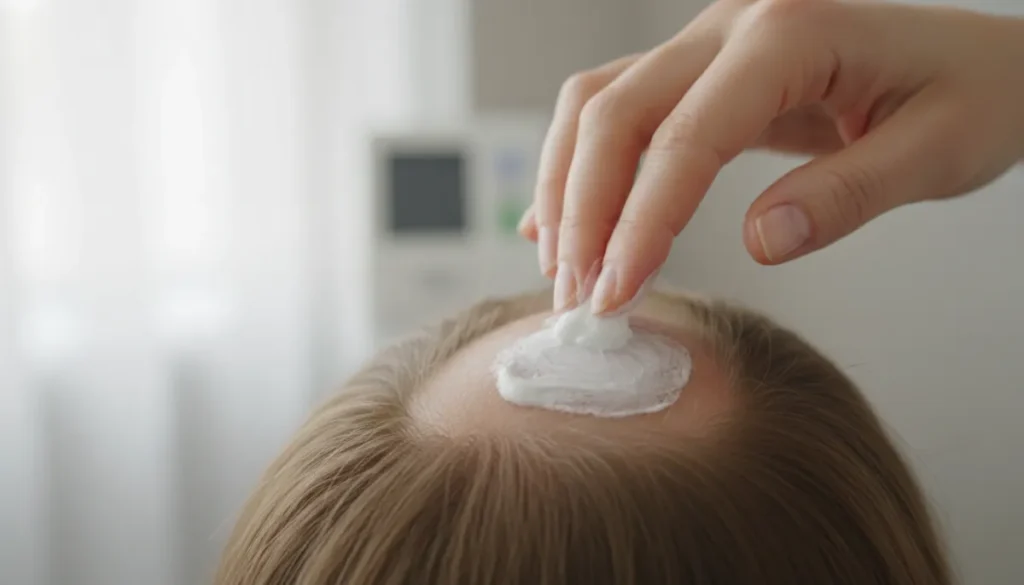
Correct application technique is essential for any alopecia areata cream to reach the targeted follicles. Follow these steps for optimal results:
- Wash your hands and gently cleanse the affected area with a mild, fragrance‑free cleanser.
- Pat the skin dry; avoid rubbing, which can irritate the area.
- Apply a thin layer of the prescribed cream using a clean fingertip or applicator, covering the entire patch.
- Massage lightly for 10–15 seconds to enhance absorption.
- Allow the cream to dry completely before styling or covering the hair.
Most regimens recommend twice‑daily application for the first few weeks, then tapering to once daily or every other day based on response. Consistency is key; missing applications can delay regrowth.
Monitor your scalp for signs of irritation. If redness, burning, or excessive dryness occurs, reduce frequency or switch to a milder formulation. Always report adverse reactions to your healthcare provider.
Expected Outcomes and Timeline for Hair Regrowth
Results vary widely, but clinical observations provide a general timeline. Most patients notice the first signs of regrowth—fine, vellus‑like hairs—within 4 to 8 weeks of consistent use. These hairs typically thicken over the next 2 to 3 months.
Complete regrowth of a patch can take 6 to 12 months, especially for larger areas. Some individuals may experience partial regrowth, while others achieve full restoration. Factors influencing outcomes include:
- Age of the patient (younger individuals often respond faster).
- Duration of alopecia before treatment initiation.
- Type and potency of the cream used.
- Adherence to the application schedule.
If no improvement is observed after 12 weeks of appropriate therapy, a dermatologist may recommend adjunctive treatments such as intralesional steroids, oral medications, or phototherapy. Combining modalities can enhance success rates, particularly for resistant cases.
Safety Considerations and When to Seek Professional Help
While topical creams are generally safe, certain precautions are necessary. Prolonged use of high‑potency corticosteroids can lead to skin atrophy, especially on thin scalp skin. Calcineurin inhibitors, though safer long‑term, may cause a temporary burning sensation that usually subsides within days.
Patients should seek professional evaluation if they notice any of the following:
- Persistent redness, swelling, or infection at the application site.
- Worsening hair loss despite correct use.
- Unusual systemic symptoms such as fatigue or joint pain.
- Pregnancy or breastfeeding, which may limit certain ingredients.
Gold City Medical Center offers comprehensive assessments, including scalp biopsies and blood tests, to tailor the most effective regimen for each individual. Early intervention often yields better outcomes, making prompt consultation advisable.
Why Choose Gold City Medical Center
Gold City Medical Center combines cutting‑edge medical expertise with a patient‑centered approach. Our team of dermatologists and hair restoration specialists stays updated on the latest topical and systemic therapies for alopecia areata. We provide thorough evaluations, personalized treatment plans, and ongoing support to help you achieve the best possible hair regrowth results.
With a reputation for integrative care, we also coordinate complementary services—such as nutritional counseling and stress‑management programs—that can enhance the effectiveness of alopecia areata cream treatments. Trust our experienced professionals to guide you through every step of your hair restoration journey.
Ready to start your path to regrowth? Contact Gold City Medical Center today to schedule a personalized consultation and discover which alopecia areata cream is right for you.
Take the first step toward healthier hair—call now or fill out our online appointment form.
FAQ
How does alopecia areata cream work to promote hair regrowth?
The cream modulates the local immune response, reducing inflammation and T‑cell activity that attack hair follicles.
What are the main types of alopecia areata creams available?
Corticosteroid creams, calcineurin inhibitor ointments, and topical JAK inhibitor formulations.
How should I apply alopecia areata cream for best results?
Clean the area, apply a thin layer with a fingertip, massage gently, and let it dry before styling.
How long does it take to see hair regrowth after using the cream?
Initial fine hairs often appear within 4–8 weeks, with thicker growth over 2–3 months.
What side effects can occur with topical alopecia areata treatments?
Possible side effects include skin thinning, burning, itching, and rare systemic absorption.
When should I consult a dermatologist while using alopecia areata cream?
Seek professional help if there’s no improvement after 12 weeks, worsening symptoms, or any concerning side effects.





