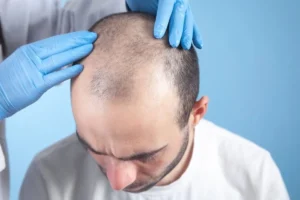
When searching for an alopecia drug, many patients wonder which medication will truly help stop hair loss and promote regrowth. This article explains the most common medications, how they work, and the factors you should consider before starting treatment. With over 110 monthly searches for “alopecia drug,” it’s clear that people are seeking reliable information on safe and effective options.
Hair loss affects millions worldwide, and while lifestyle changes can help, medical therapy often provides the most noticeable results. In the United States alone, approximately 50 million men and women experience some form of alopecia, making it one of the most prevalent dermatological concerns.
We will cover the science behind drug treatments, compare popular options such as finasteride and newer agents like Olumiant, and discuss how to choose a regimen that aligns with your health goals. Understanding the benefits, risks, and expected outcomes will empower you to make an informed decision and work closely with a qualified clinic.
Understanding Alopecia and Medication Options
Alopecia is a broad term that describes hair loss of varying patterns and causes. The most common forms include androgenetic alopecia (male or female pattern baldness) and alopecia areata, an autoimmune condition that leads to patchy hair loss. While topical solutions and lifestyle adjustments play a role, many patients turn to systemic alopecia drug therapies for more pronounced results.
Types of Alopecia
- Androgenetic alopecia – driven by hormones and genetics.
- Alopecia areata – an autoimmune attack on hair follicles.
- Telogen effluvium – temporary shedding due to stress or illness.
- Scarring alopecia – permanent loss caused by inflammation.
How Drugs Work
Medication for hair loss typically targets hormonal pathways, inflammation, or the hair growth cycle. For example, finasteride inhibits the conversion of testosterone to dihydrotestosterone (DHT), a key factor in androgenetic alopecia. Other agents, such as JAK inhibitors, modulate the immune response in alopecia areata, allowing follicles to resume normal growth.
Choosing the right drug depends on the type of alopecia, severity, gender, and individual health considerations. Below is a quick reference of the most widely used medications.
- Finasteride – oral DHT blocker.
- Minoxidil – topical vasodilator.
- Dutasteride – more potent DHT inhibitor.
- Olumiant (baricitinib) – oral JAK inhibitor for alopecia areata.
- Low‑level laser therapy – non‑drug adjunct.

Finasteride – The Most Prescribed Alopecia Drug
Finasteride remains the cornerstone oral treatment for androgenetic alopecia in men and, in lower doses, for women with careful monitoring. Its effectiveness has been demonstrated in numerous clinical trials, showing up to a 90 % reduction in hair loss progression when taken consistently.
Werkingsmechanisme
Finasteride works by blocking the enzyme 5‑alpha‑reductase, which converts testosterone into DHT. Lower DHT levels reduce follicular miniaturization, allowing existing hairs to thicken and new hairs to emerge.
Dosage and Safety
Typical dosing for men is 1 mg daily, while some clinicians prescribe 5 mg for conditions like benign prostatic hyperplasia, though higher doses may increase side‑effect risk. Women of childbearing age should avoid finasteride due to potential fetal abnormalities.
| Dosage | Indication | Vaak voorkomende bijwerkingen |
|---|---|---|
| 1 mg daily | Male pattern baldness | Decreased libido, erectile dysfunction |
| 5 mg daily | BPH (off‑label for hair loss) | Breast tenderness, reduced semen volume |
Regular blood tests are recommended to monitor hormone levels and liver function, especially when using higher doses. Discuss any pre‑existing conditions with your physician before starting finasteride.
Emerging Treatments and Clinical Trials
Beyond finasteride, research continues to expand the arsenal of alopecia drug options. Recent breakthroughs focus on immune modulation and targeted molecular pathways, offering hope for patients with alopecia areata and other resistant forms.
JAK Inhibitors – Olumiant
Olumiant (baricitinib) is an oral Janus kinase (JAK) inhibitor that has gained FDA approval for treating severe alopecia areata. By interrupting the JAK‑STAT signaling pathway, the drug reduces the autoimmune attack on hair follicles, often leading to rapid regrowth within months.
New Biologics and Gene‑Based Therapies
Clinical trials are evaluating agents such as ruxolitinib, tofacitinib, and novel monoclonal antibodies that target specific cytokines involved in hair loss. Early results suggest promising hair regrowth rates with manageable safety profiles.
- Ruxolitinib – oral JAK1/2 inhibitor, under investigation for alopecia areata.
- Tofacitinib – topical formulation showing efficacy in small studies.
- Setipiprant – oral antagonist of the prostaglandin D2 receptor, aimed at androgenetic alopecia.
Patients interested in emerging therapies should consult a specialist to assess eligibility for clinical trials or off‑label use, ensuring that potential benefits outweigh risks.
Choosing the Right Treatment for Men and Women
Gender plays a significant role in selecting the appropriate alopecia drug. Hormonal differences, pregnancy considerations, and varying patterns of hair loss require tailored approaches.
Male‑Specific Considerations
- Finasteride 1 mg is first‑line for men.
- Minoxidil 5 % topical solution can be combined for synergistic effect.
- Hair transplant surgery may be recommended after stabilizing loss with medication.
Female‑Specific Considerations
- Low‑dose oral finasteride (often 0.5 mg) is used off‑label under strict supervision.
- Topical minoxidil 2 % is the most common FDA‑approved option.
- Spironolactone, an anti‑androgen, is frequently prescribed for women.
| Gender | Preferred Drug(s) | Typical Dosage | Key Notes |
|---|---|---|---|
| Male | Finasteride, Minoxidil | 1 mg daily; 5 % solution twice daily | Consider hair transplant after 6‑12 months of stability. |
| Vrouw | Low‑dose Finasteride, Minoxidil, Spironolactone | 0.5 mg daily; 2 % solution twice daily; 100 mg daily | Avoid during pregnancy; monitor potassium levels with spironolactone. |
Combining medication with procedural options, such as platelet‑rich plasma (PRP) or hair transplantation, can enhance outcomes. A personalized plan ensures optimal results while minimizing adverse effects.
Managing Side Effects and Monitoring Progress
All alopecia drug therapies carry the potential for side effects. Early detection and proactive management are essential to maintain adherence and achieve the best possible outcome.
Vaak voorkomende bijwerkingen
- Finasteride – sexual dysfunction, mood changes.
- Minoxidil – scalp irritation, unwanted facial hair.
- Olumiant – increased infection risk, elevated liver enzymes.
- Dutasteride – similar to finasteride but may cause more pronounced hormonal shifts.
Follow‑Up Care
Patients should schedule regular follow‑up visits every 3‑6 months. During these appointments, clinicians assess hair density, evaluate lab results, and adjust dosages if necessary. Photographic documentation provides an objective measure of progress.
In addition to medical monitoring, lifestyle factors such as nutrition, stress management, and gentle hair care practices support the pharmacological effects. Supplements like biotin, zinc, and omega‑3 fatty acids can complement drug therapy, though they should not replace prescribed medication.
If side effects become intolerable, a physician may switch to an alternative agent or modify the regimen. Open communication ensures that treatment remains both safe and effective.
Why Choose Gold City Medical Center
Gold City Medical Center combines integrative medicine with cutting‑edge cosmetic expertise. Our multidisciplinary team offers personalized consultations, thorough diagnostic testing, and access to the latest FDA‑approved and investigational alopecia drug therapies. We prioritize patient safety, evidence‑based treatment plans, and transparent communication, ensuring you receive the highest standard of care for hair restoration.
Ready to start your hair‑loss journey with confidence? Contact Gold City Medical Center today to schedule a comprehensive evaluation and discover the most suitable medication for your needs.
Take the first step toward regaining your hair and confidence – call us or fill out our online form now.
FAQ
What are the most common alopecia drugs?
Finasteride, minoxidil, dutasteride, and JAK inhibitors such as Olumiant are the most frequently prescribed.
How does finasteride work to prevent hair loss?
Finasteride blocks the enzyme 5‑alpha‑reductase, reducing DHT levels that cause follicle miniaturization.
Can women use finasteride for hair loss?
Women may use low‑dose finasteride off‑label, but it requires careful monitoring and is contraindicated in pregnancy.
What are JAK inhibitors and how do they help alopecia areata?
JAK inhibitors block the JAK‑STAT pathway, reducing the autoimmune attack on hair follicles and promoting regrowth.
What side effects should I expect from alopecia medications?
Common side effects include sexual dysfunction with finasteride, scalp irritation with minoxidil, and infection risk with JAK inhibitors.
How can I monitor my progress while on alopecia treatment?
Schedule 3‑6 month follow‑ups, use photographic documentation, and track hair density with a clinician.